
Seeing the check engine light appear on your dashboard can be stressful, especially when you do not know what caused it. Is it a minor issue, a sensor problem, or a sign of a more serious engine problem?
what does the check engine light mean one specific part. Instead, it is part of your vehicle’s On-Board Diagnostics (OBD) system. When the vehicle’s computer detects a condition that needs attention, it can turn on the Malfunction Indicator Light (MIL), commonly called the check engine light, and store a diagnostic trouble code.
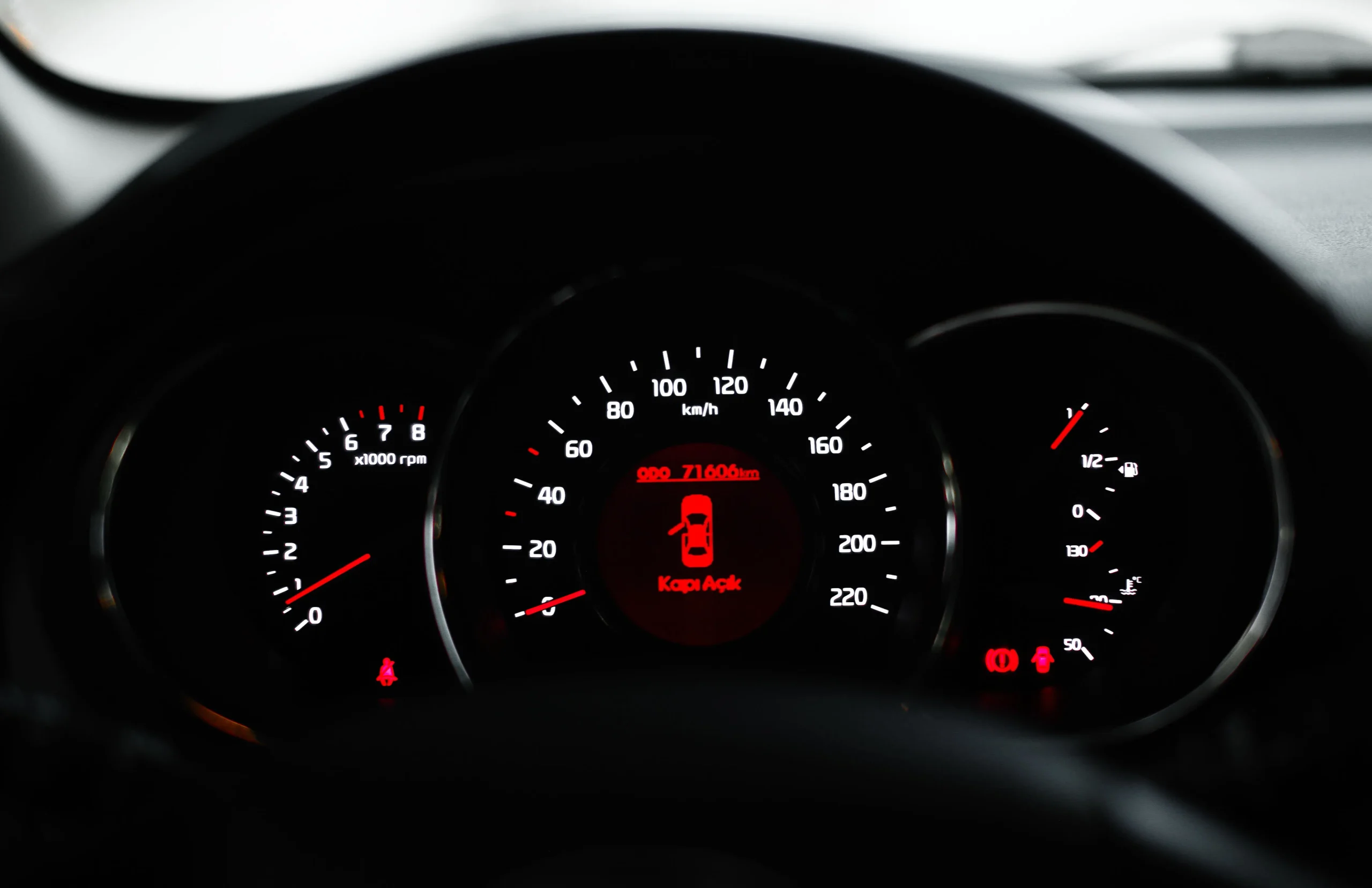
For drivers in Long Beach, CA, understanding what the check engine light means can help you decide when to keep driving cautiously and when to have your vehicle inspected immediately.
At Jankowski Import Auto Inc, we specialize in German and European vehicle diagnostics, maintenance, electrical troubleshooting, engine services, and repairs in Long Beach, CA. Our technicians use advanced diagnostic equipment to identify vehicle problems before unnecessary parts are replaced.
What Is the Check Engine Light?
The check engine light is a warning indicator connected to your vehicle’s onboard diagnostic system.
Modern vehicles use computers and sensors to monitor engine operation and emissions-related systems. If the system detects a problem that meets certain diagnostic conditions, it can illuminate the check engine light and save a Diagnostic Trouble Code (DTC) in the vehicle’s computer memory.
The important thing to understand is:
The check engine light tells you that the vehicle has detected a problem it does not automatically tell you which part needs to be replaced.
A diagnostic scan is normally needed to identify the stored code and determine what caused it.
What Does a Check Engine Light Actually Mean?
A check engine light can be triggered by many different conditions.
Some problems may be relatively simple, while others can require immediate attention.
Possible causes include:
- Loose or improperly closed fuel cap
- Engine misfire
- Oxygen sensor problem
- Catalytic converter issue
- Fuel-system problem
- Ignition coil failure
- Spark plug problems
- Vacuum or air leaks
- Emissions-system faults
- Sensor or wiring problems
- Problems with engine-management components
The exact cause depends on the vehicle, engine, symptoms, and diagnostic information.
The EPA notes that OBD systems can detect problems ranging from a loose or missing gas cap to more serious misfires.
What Is the Difference Between a Solid and Flashing Check Engine Light?
One of the most important things to understand is whether the check engine light is solid or flashing.
Solid Check Engine Light
A solid check engine light generally means the vehicle’s computer has detected a fault that requires attention.
It does not necessarily mean you need to stop immediately.
However, you should not ignore it for weeks or months.
A continuing fault can affect emissions, fuel economy, drivability, or other vehicle systems. The EPA recommends having the issue serviced rather than simply ignoring an illuminated warning light.
If your vehicle feels normal and the light is solid, you can generally arrange a diagnostic inspection as soon as practical.
Flashing Check Engine Light
A flashing check engine light is more serious.
A flashing light can indicate a severe engine misfire. Continued driving under these conditions can potentially damage the catalytic converter and other components.
If your check engine light is flashing and the vehicle is shaking, losing power, or running poorly, reduce driving and seek professional service as soon as possible.
Can You Drive With the Check Engine Light On?
It depends on how the vehicle is behaving and whether the light is solid or flashing.
If the light is solid:
If the vehicle is driving normally and the check engine light is solid, you may be able to drive it carefully to a repair facility for diagnosis.
However, you should still arrange an inspection.
If the light is flashing:
A flashing light requires much more urgent attention, particularly if the engine is misfiring, shaking, losing power, or producing unusual noises.
Severe misfires can damage emission-control components, including the catalytic converter.
Stop driving if you also notice:
- Severe engine shaking
- Major loss of power
- Overheating
- Smoke
- Strong fuel smell
- Unusual knocking
- Oil-pressure warning
- Serious transmission problems
When multiple warning signs appear together, consult your owner’s manual and seek professional assistance.
Common Reasons Your Check Engine Light Comes On
1. Loose or Faulty Gas Cap
One of the simpler causes of a check engine light can be a fuel cap or fuel system sealing problem.
If the fuel cap is loose or not properly sealed, the vehicle may detect an issue with the evaporative emissions system.
This does not mean every check engine light is caused by a gas cap, so a diagnostic scan may still be necessary.
2. Engine Misfire
An engine misfire occurs when combustion is not happening correctly in one or more cylinders.
Possible causes include:
- Worn spark plugs
- Failed ignition coils
- Fuel-delivery problems
- Air leaks
- Sensor problems
- Other engine-management faults
A misfire can cause rough running, shaking, poor acceleration, and a check engine light.
If the check engine light is flashing while the engine is misfiring, the vehicle should be inspected promptly because severe misfire can damage the catalytic converter.
3. Oxygen Sensor Problems
Oxygen sensors help the vehicle monitor exhaust conditions and control engine operation.
A faulty sensor can trigger a diagnostic code and may contribute to poor fuel economy or emissions-related problems.
However, replacing the oxygen sensor immediately is not always the correct repair.
A diagnostic technician should determine whether the sensor itself has failed or whether another problem is causing the sensor reading.
4. Catalytic Converter Problems
The catalytic converter is part of the vehicle’s emissions system.
If the vehicle detects a problem related to catalyst efficiency, it can trigger the check engine light.
Catalytic-converter repairs can be expensive, which is one reason it is better to diagnose an engine or emissions problem before it develops into a larger issue.
5. Vacuum or Air Leaks
Air entering the engine through an unintended path can affect engine performance and fuel mixture.
Possible symptoms include:
- Rough idle
- Hesitation
- Poor acceleration
- Increased fuel consumption
- Check engine light
A technician may use diagnostic testing and inspection methods to locate the source of the leak.
6. Faulty Sensors
Modern vehicles rely on many sensors to monitor engine and emissions systems.
A sensor fault can cause the check engine light to illuminate.
But a diagnostic trouble code does not always mean the sensor itself needs replacement.
The wiring, connector, power supply, or another component may be responsible for the reading.
That’s why accurate diagnostics matter.
Why You Shouldn’t Just Clear the Check Engine Light
Some drivers use a scan tool to erase the warning light without repairing the underlying problem.
This may turn the light off temporarily, but it does not necessarily fix the vehicle.
When the underlying fault remains, the light can return.
The vehicle may also need to complete specific OBD monitoring cycles before its readiness status is restored, which can matter for emissions testing in applicable areas.
Clearing a code is not the same as repairing the problem.
The correct process is:
Scan → Diagnose → Repair → Verify
What Happens During a Check Engine Light Diagnostic?
A professional diagnostic process can involve several steps.
Step 1: Scan the vehicle
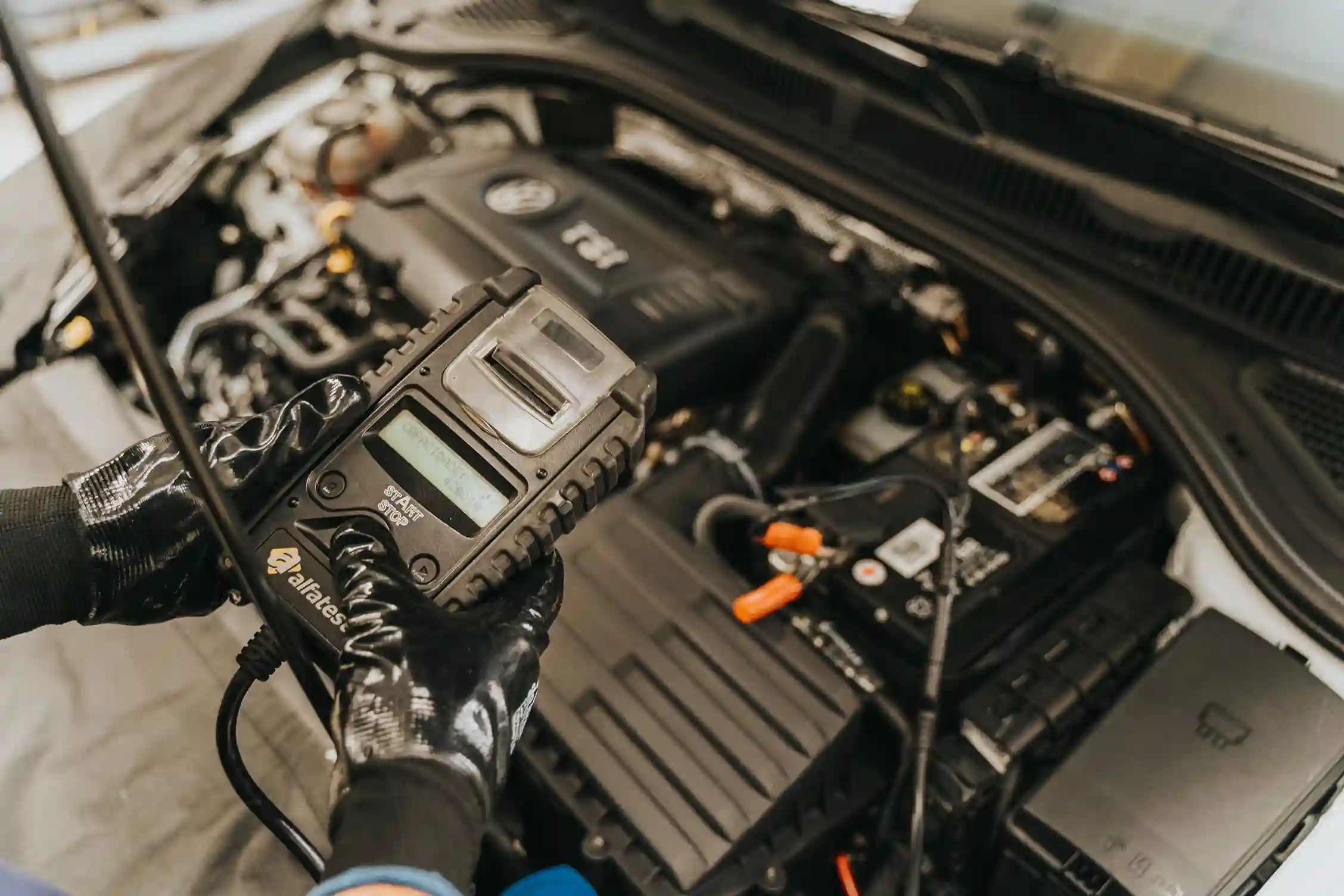
A technician connects a diagnostic scanner to the vehicle’s OBD connection and checks for stored or pending diagnostic trouble codes.
The OBD connection allows technicians to communicate with the vehicle’s diagnostic computer.
Step 2: Review the codes
The technician reviews the stored codes and related information.
A code provides useful information, but it is not necessarily a complete diagnosis.
Step 3: Check symptoms
The technician considers what the vehicle is doing.
For example:
- Is the engine shaking?
- Is fuel economy worse?
- Is there hesitation?
- Is the vehicle hard to start?
- Is there loss of power?
- Are there unusual noises?
Step 4: Test the suspected system
Depending on the code, further testing may involve sensors, wiring, ignition components, fuel systems, vacuum systems, or other components.
Step 5: Repair and verify
After the underlying problem is repaired, the vehicle should be tested again to confirm the problem has been addressed.
This diagnostic-first approach can help prevent unnecessary parts replacement.
Why European Cars May Need Specialized Diagnostics
German and European vehicles can use sophisticated electronic systems, modules, sensors, and communication networks.
A basic code reader may provide only limited information.
Professional diagnostic equipment can provide technicians with more detailed information needed to troubleshoot complex vehicle problems.
At Jankowski Import Auto Inc, our website highlights advanced diagnostics, electrical troubleshooting, engine diagnostics, and repair services for European vehicles including Volkswagen, Audi, BMW, Mercedes-Benz, MINI, Porsche, and others.
For a check engine light on a European vehicle, accurate diagnosis is especially important before replacing expensive components.
What Should You Do When Your Check Engine Light Comes On?
Follow these simple steps:
1. Don’t panic
A check engine light does not automatically mean your engine is failing.
2. Check how the vehicle is behaving
Pay attention to shaking, loss of power, unusual sounds, overheating, smoke, or other warning lights.
3. Check whether the light is solid or flashing
A flashing light generally requires more urgent attention because it can indicate a severe misfire.
4. Don’t ignore the warning
Even if the vehicle seems normal, arrange a diagnostic inspection.
5. Don’t replace parts based only on the code
A diagnostic code is a starting point for troubleshooting—not necessarily a direct instruction to replace a specific component.
How Much Does Check Engine Light Diagnosis Cost?
The cost of check engine light diagnosis varies by vehicle, repair shop, diagnostic equipment, and the complexity of the problem.
A simple scan may be relatively inexpensive, while a complicated electrical or drivability diagnosis can require significantly more technician time.
The repair cost is separate from the diagnostic cost and depends entirely on what caused the warning.
For that reason, it is difficult to give one universal price for a check engine light repair.
The best approach is to diagnose the problem first and then determine what repair is actually required.
Can a Check Engine Light Turn Off by Itself?
Yes, in some situations the light may turn off after the vehicle no longer detects the condition that triggered it.
Temporary conditions can sometimes trigger the warning. For example, certain vehicle systems can detect temporary fuel or refueling-related conditions.
However, you should not assume that a light turning off means the vehicle is permanently fixed.
If the warning returns, have the vehicle inspected.
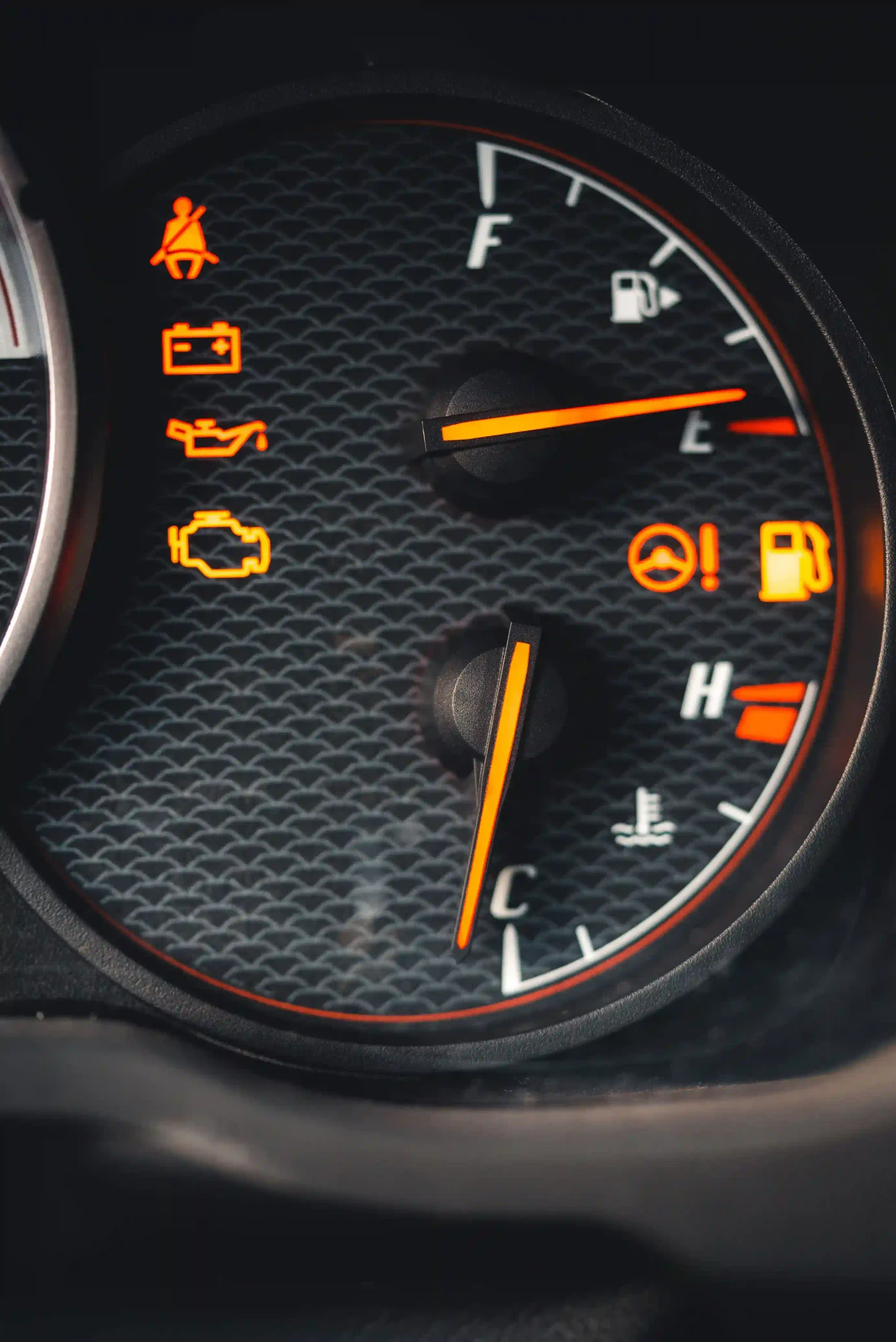
Check Engine Light vs. Other Dashboard Warning Lights
The check engine light is not the same as every other warning light on your dashboard.
Your vehicle may also have separate warning indicators for:
- Oil pressure
- Engine temperature
- Battery/charging system
- ABS
- Brakes
- Tire pressure
- Airbags
- Transmission
Different warning lights can require different responses, and the owner’s manual should be consulted for vehicle-specific instructions.
For example, an oil-pressure or overheating warning may require more immediate action than a normal solid check engine light.
How to Prevent Check Engine Light Problems
You cannot prevent every check engine light, but regular maintenance can help identify problems earlier.
Follow the manufacturer’s maintenance schedule
Keep up with recommended maintenance for your specific vehicle.
Replace worn maintenance items
Spark plugs, filters, fluids, and other service items should be maintained according to the vehicle manufacturer’s requirements.
Don’t ignore small symptoms
Rough idle, hesitation, unusual noises, poor fuel economy, or difficult starting can sometimes appear before a larger problem develops.
Address warning lights early
Early diagnosis can help prevent a smaller problem from becoming a more expensive repair.
Use proper diagnostic equipment
Especially with European vehicles, accurate diagnostic testing can help identify the actual source of a problem instead of replacing parts unnecessarily.
When Should You Take Your Car to a Repair Shop?
You should schedule a diagnostic inspection if your check engine light remains on, particularly if you notice changes in vehicle performance.
Get the vehicle checked promptly if you notice:
- Check engine light stays on
- Check engine light returns after being cleared
- Engine misfires
- Rough idle
- Loss of power
- Poor acceleration
- Reduced fuel economy
- Strange engine noises
- Difficulty starting
- Multiple warning lights
If the check engine light is flashing, treat it as a more urgent problem, especially if the vehicle is running poorly.
Professional Check Engine Light Diagnostics in Long Beach, CA
If your check engine light is on, getting an accurate diagnosis is the first step toward understanding the problem.
At Jankowski Import Auto Inc, we provide German and European auto repair services in Long Beach, CA, including advanced diagnostics, engine diagnostics, electrical troubleshooting, maintenance, brakes, suspension, and other repair services. The shop’s website specifically describes its use of advanced diagnostic equipment and OEM quality parts for European vehicles.
Instead of guessing which part needs to be replaced, professional diagnostics can help identify the underlying cause of the warning.
For drivers in Long Beach dealing with a check engine light, proper diagnosis can provide a clearer understanding of the repair needed and help avoid unnecessary parts replacement.
Final Thoughts
So, what does the check engine light actually mean?
It means your vehicle’s onboard diagnostic system has detected a condition that requires attention. It does not automatically mean your engine needs to be replaced or that the vehicle is about to break down.
A solid light may indicate a problem that needs timely diagnosis, while a flashing light can indicate a more serious misfire that requires prompt attention.
The most important step is not simply turning the light off it is finding out why it came on.
If you’re driving a Volkswagen, Audi, BMW, Mercedes-Benz, MINI, Porsche, or another European vehicle in Long Beach, professional diagnostic testing can help identify the underlying issue and determine the appropriate repair.
Frequently Asked Questions
What does the check engine light mean?
The check engine light means the vehicle’s onboard diagnostic system has detected a condition that requires attention and may have stored a diagnostic trouble code.
Is it safe to drive with the check engine light on?
If the light is solid and the vehicle is operating normally, you may be able to drive carefully to a repair facility. If the light is flashing or the vehicle is running poorly, seek service promptly.
What is the most common reason for a check engine light?
There is no single cause for every vehicle. Possible causes include fuel-system issues, sensor faults, misfires, emissions-system problems, ignition problems, and other engine-management faults.
Can a bad gas cap cause the check engine light?
Yes. A loose or improperly sealed fuel cap can contribute to an emissions-system fault and illuminate the check engine light on some vehicles.
Should I clear the check engine light myself?
Clearing the light does not repair the underlying problem. It is better to diagnose the cause first and verify the repair afterward.
How do I find out why my check engine light is on?
A diagnostic scan can retrieve stored diagnostic trouble codes. The code should then be interpreted together with vehicle symptoms and further testing.
Can a check engine light turn off by itself?
It can turn off if the vehicle no longer detects the condition that triggered it, but a warning returning or recurring should be investigated.
Where can I get check engine light diagnostics in Long Beach, CA?
Jankowski Import Auto Inc provides advanced diagnostics and German and European vehicle repair services in Long Beach, CA.