Buying a used European car can be an exciting experience. Whether you are considering a BMW, Mercedes-Benz, Audi, Volkswagen, MINI, or Porsche, a pre-purchase inspection can help you understand the vehicle’s actual condition before you commit to the purchase.
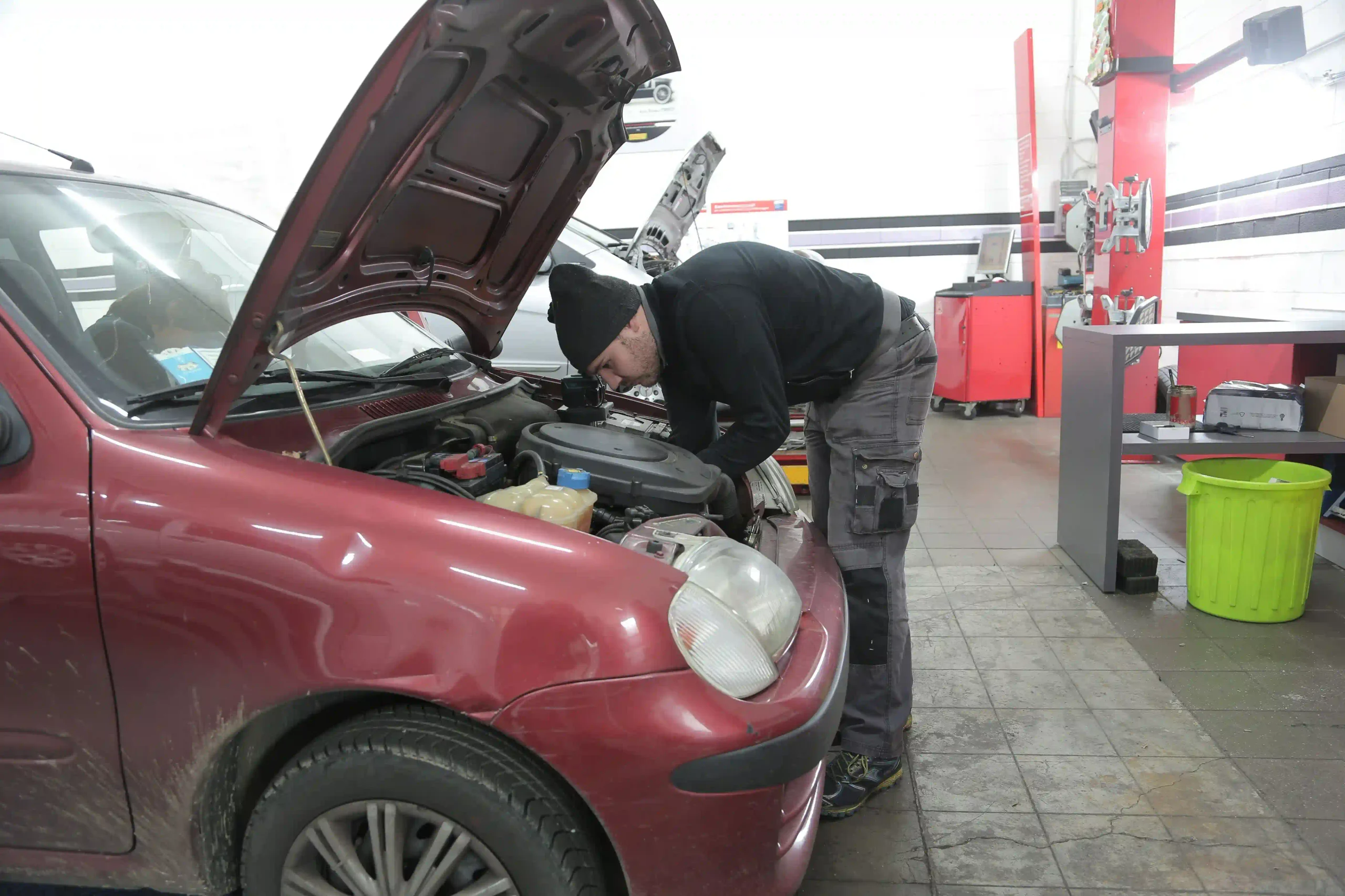
A used car may look clean on the outside and drive well during a short test drive, but important mechanical, electrical, or maintenance issues may not be immediately visible. A professional pre-purchase inspection gives you a closer look at the vehicle and can help you make a more informed buying decision.
But when is the best time to get a pre-purchase inspection?
The simple answer is: before you buy the vehicle and before you make a final commitment to the seller.
Here are the most important times when you should schedule a pre-purchase inspection for a used European car.
1. Before You Make a Final Purchase Decision
The most important time for a pre-purchase inspection is before you agree to purchase the vehicle.
A seller may tell you that the car is in excellent condition, recently serviced, or has no major problems. While the seller may be completely honest, you should still have the vehicle independently inspected.
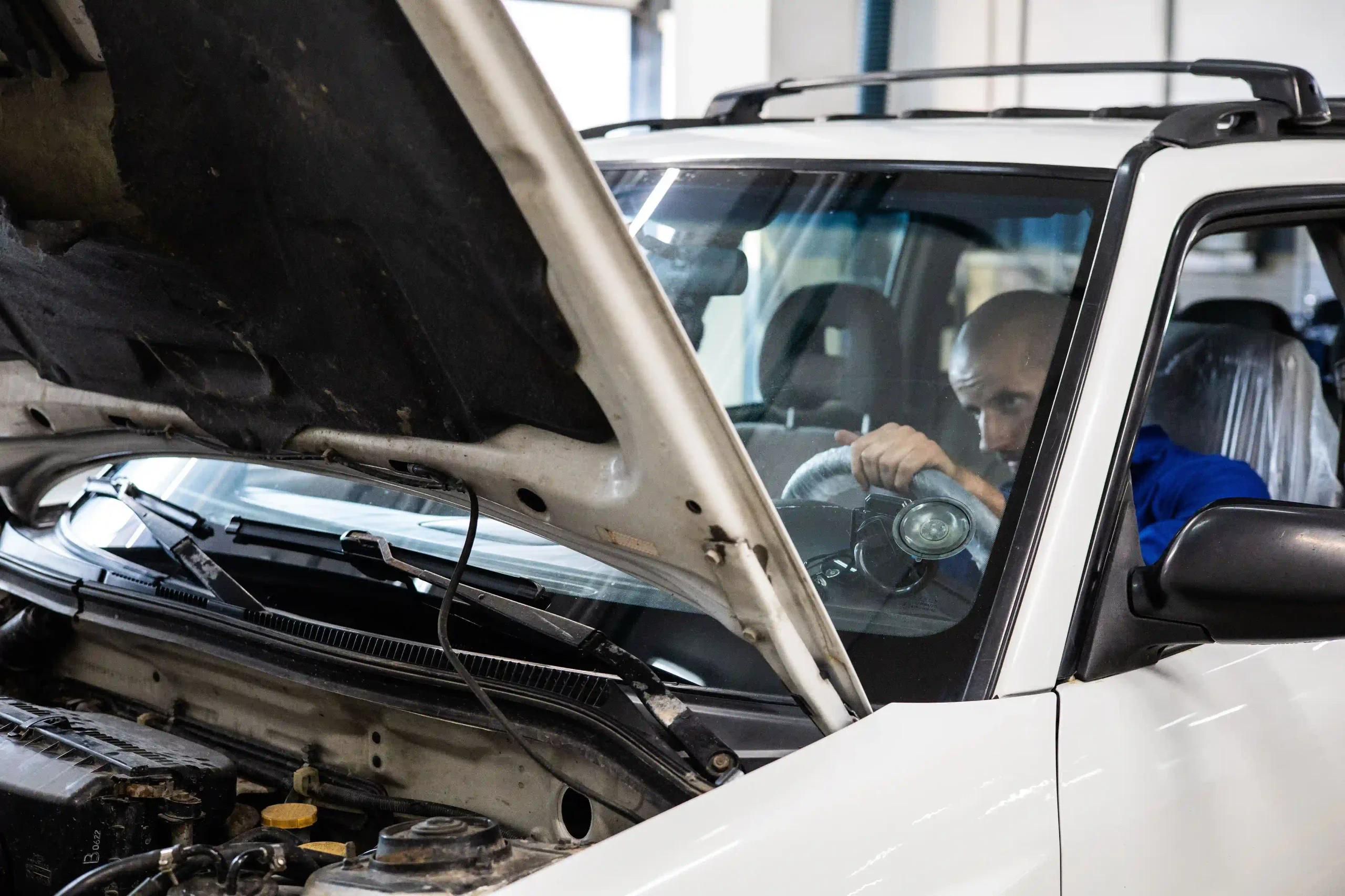
A professional inspection can identify issues that may not be obvious during a normal test drive.
For European vehicles, this can be especially important because modern vehicles often contain sophisticated mechanical and electronic systems. An inspection can provide additional information about the vehicle’s overall condition before you spend your money.
2. Before You Pay a Deposit
If possible, arrange the inspection before paying a non-refundable deposit.
Some buyers see a vehicle they really like and immediately put down money to secure the deal. However, if the inspection later discovers expensive repairs, getting your deposit back may be difficult depending on the terms of the sale.
Instead, ask the seller if you can have the vehicle inspected by an independent European auto repair specialist.
If the seller refuses to allow an independent inspection, consider that an important part of your purchasing decision.
The FTC recommends getting a used vehicle inspected by an independent mechanic before you buy.
3. Before Negotiating the Price
A pre-purchase inspection can also be useful before you negotiate the final price.
For example, an inspection might identify worn brakes, suspension components, fluid leaks, tire problems, warning lights, electrical issues, or maintenance items that may need attention.
Knowing about these issues gives you better information when discussing the vehicle with the seller.
Instead of negotiating based only on the vehicle’s appearance, mileage, or asking price, you can discuss the condition of the vehicle and the potential maintenance it may need.
4. When Buying an Older European Car
Older European vehicles deserve additional attention before purchase.
A car may have relatively low mileage but still have age-related issues. Rubber components, seals, hoses, suspension parts, batteries, electrical components, and other systems can require attention as a vehicle gets older.
This is one reason why mileage alone should not determine whether a used European vehicle is a good purchase.
A professional inspection can help identify current problems and maintenance items that may become important in the future.
5. When Buying a High-Mileage European Vehicle
Mileage is another reason to consider a pre-purchase inspection.
A high-mileage BMW, Mercedes-Benz, Audi, Volkswagen, MINI, or Porsche may have experienced significant wear depending on how it was driven and maintained.
An inspection can help evaluate important areas such as:
- Engine condition
- Transmission operation
- Braking system
- Suspension components
- Steering system
- Tires and wheels
- Fluid leaks
- Cooling system
- Electrical systems
- Warning lights
- Visible signs of previous repairs
The inspection does not guarantee that a vehicle will never develop a problem, but it can give you a better understanding of its current condition.
6. When Buying a Used European Car From a Private Seller
Buying from a private seller can sometimes provide attractive opportunities, but you should still perform your own due diligence.
A private seller may provide maintenance records and explain the vehicle’s history. These records are useful, but they should not replace an independent inspection.
Ask the seller for permission to take the vehicle to a qualified European auto repair shop before completing the transaction.
A professional technician can inspect the vehicle and identify problems that may not be visible to an average buyer.
7. When Buying From a Dealership
A dealership inspection report can be helpful, but you can still request an independent inspection.
The dealership may have its own technicians and inspection process. However, an independent inspection gives you another perspective before making a major financial decision.
This is particularly useful when purchasing a premium European vehicle where unexpected repairs can become expensive.
8. Before Buying a Certified or Recently Serviced Vehicle
Words such as certified recently serviced, or “well maintained” can make a vehicle sound very appealing.
However, you should still understand exactly what those statements mean.
Ask for documentation showing:
- Service history
- Previous repairs
- Maintenance records
- Inspection reports
- Vehicle history information
- Recent parts replacement
- Any outstanding maintenance needs
Then consider having the vehicle independently inspected.
Documentation and an independent inspection can work together to give you a more complete picture of the vehicle.
Before completing the purchase, you can also check the vehicle’s VIN for open safety recalls through the National Highway Traffic Safety Administration (NHTSA).
9. Before Buying a Used BMW, Mercedes-Benz, Audi, or Volkswagen
European brands can use advanced mechanical and electronic systems that require specialized knowledge and diagnostic equipment.
For this reason, it is useful to have your potential purchase inspected by technicians familiar with European vehicles.
At Jankowski Import Auto Inc., our team specializes in German and European vehicles, including Mercedes-Benz, BMW, Audi, Volkswagen, MINI, Porsche, and other European vehicles. Our services include advanced diagnostics, full vehicle inspections, maintenance, engine diagnostics, electrical troubleshooting, brake services, suspension work, and other European auto repair services.
Choosing a shop familiar with the vehicle’s brand and technology can help you get a more meaningful inspection.
What Does a Pre-Purchase Inspection Check?
A professional pre-purchase inspection can cover many areas of a used vehicle.
f you are looking for a professional European vehicle inspection in Long Beach, Jankowski Import Auto Inc. provides detailed inspections and diagnostic services for used European vehicles.
Depending on the vehicle, inspection areas may include:
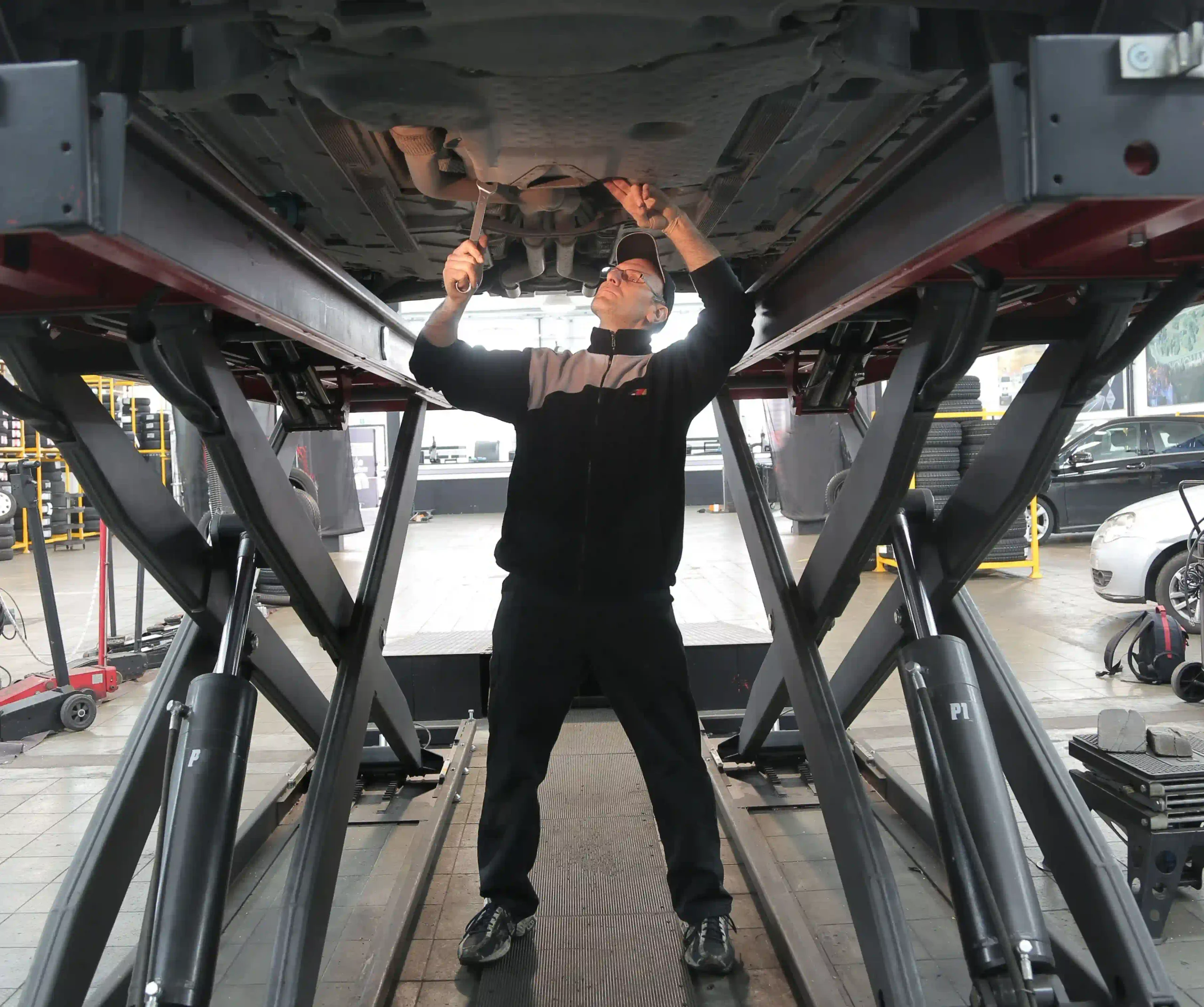
Engine
The technician can look for visible leaks, unusual noises, warning signs, and other potential concerns.
Transmission
The transmission can be evaluated for operation, shifting behavior, leaks, and other visible or noticeable issues.
Brakes
Brake components can be checked for wear and overall condition.
Suspension and Steering
Suspension and steering components can be inspected for wear, damage, or other concerns that may affect handling.
Electrical Systems
Modern European vehicles contain numerous electronic systems. Diagnostic testing can help identify stored fault codes and potential electrical problems.
Cooling System
The cooling system can be checked for visible leaks, damaged components, and other signs of concern.
Tires and Wheels
Tire condition, tread, wear patterns, and visible wheel damage can also provide useful information about the vehicle.
Fluid Leaks
Visible fluid leaks can be an important warning sign and should be investigated before purchasing a used vehicle.
Why Timing Matters
Getting an inspection at the right time can make the process much easier.
If you wait until after buying the vehicle, you may discover problems when you are already responsible for the repair costs.
Getting the inspection before signing the final paperwork or completing the purchase gives you more information while you still have the opportunity to reconsider the deal.
The inspection can also help you decide whether to:
- Continue with the purchase
- Negotiate the price
- Ask the seller to address certain issues
- Walk away from the vehicle
The goal is not necessarily to find a perfect used car. Used vehicles naturally have some wear and maintenance needs. The goal is to understand what you are buying.
How Long Does a Pre-Purchase Inspection Take?
The time required depends on the vehicle, its condition, and the depth of the inspection.
A basic inspection may take less time, while a more detailed evaluation involving diagnostic testing and multiple vehicle systems can take longer.
When scheduling an inspection, ask the repair shop what is included and how much time should be reserved for the vehicle.
This can help you coordinate with the seller and avoid rushing the inspection.
What Should You Bring to the Inspection?
If you are the buyer, bring any information you have about the vehicle.
Useful documents and information may include:
- Vehicle identification number (VIN)
- Maintenance records
- Previous inspection reports
- Repair receipts
- Vehicle history information
- Seller’s description of recent repairs
- Your list of questions or concerns
If possible, also tell the technician why you are considering the vehicle and whether you have noticed anything unusual during the test drive.
You can also research a vehicle’s title, insurance loss, and salvage information through an approved NMVTIS vehicle history provider.
Should You Skip an Inspection Because the Car Looks Good?
No.
A clean interior, shiny paint, and smooth test drive do not tell you everything about a vehicle.
Some problems may only become noticeable through diagnostic testing or a closer mechanical inspection.
This is particularly important when purchasing a premium European vehicle. The purchase price is only one part of the cost of ownership. Understanding the vehicle’s current condition can help you plan for future maintenance and repairs.
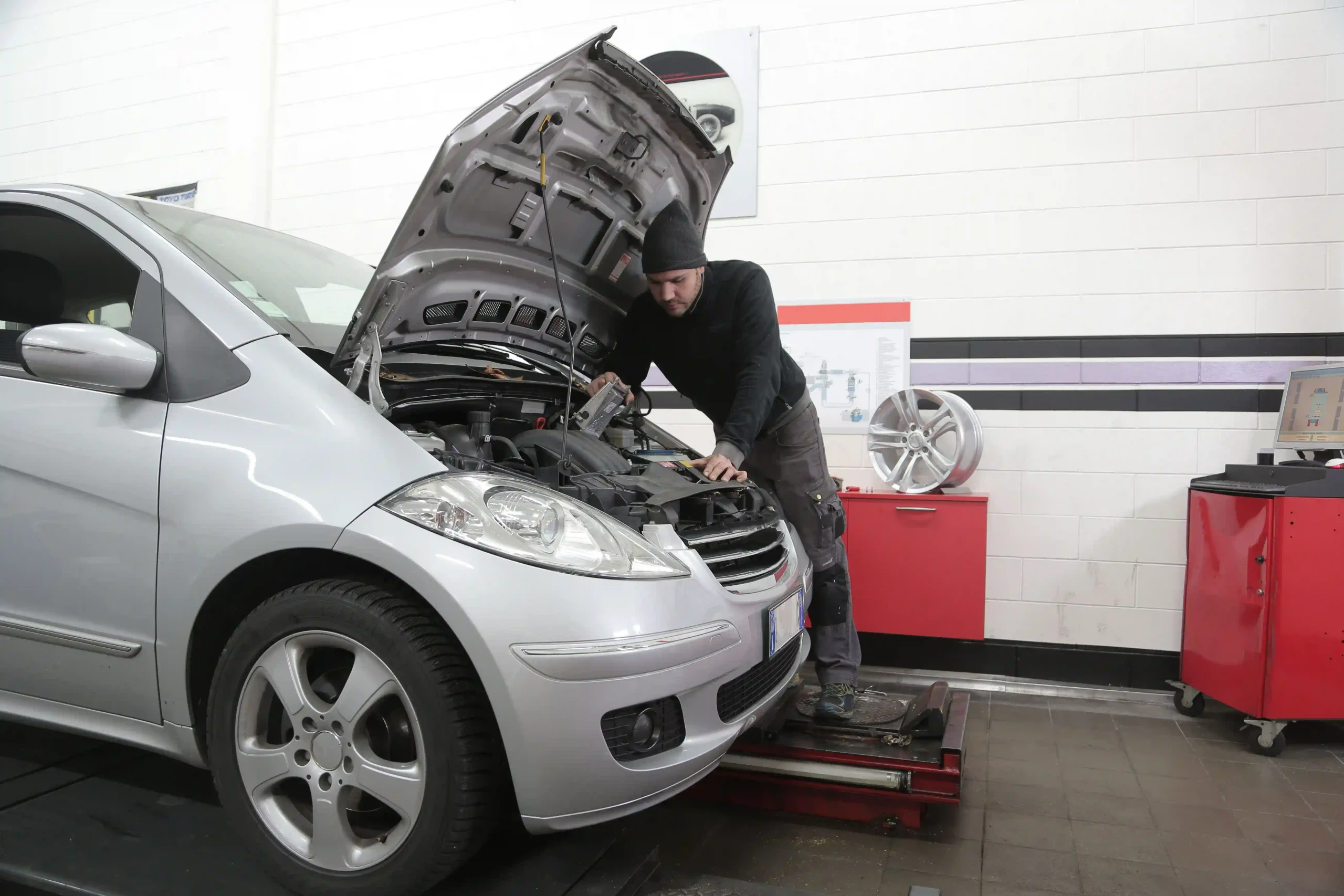
Final Thoughts: When Is the Best Time?
The best time to get a pre-purchase inspection is before you buy the used European car.
Ideally, arrange the inspection after you have found a vehicle you are seriously considering but before you make a final commitment, pay a non-refundable deposit, or sign the final purchase paperwork.
Whether you are looking at a used BMW, Mercedes-Benz, Audi, Volkswagen, MINI, Porsche, or another European vehicle, an independent inspection can provide valuable information about the vehicle’s condition.
At Jankowski Import Auto Inc. in Long Beach, CA, we specialize in German and European vehicles and provide diagnostics, full vehicle inspections, maintenance, repairs, and other specialized automotive services. Our team uses advanced diagnostic equipment and focuses on European and luxury vehicles.
If you are considering purchasing a used European vehicle in the Long Beach area, contact Jankowski Import Auto Inc. to discuss your inspection needs before you make your purchase.
Frequently Asked Questions
1. Should I get a pre-purchase inspection on a used car?
Yes. A pre-purchase inspection is recommended before buying a used European car. It can help identify mechanical, electrical, suspension, brake, fluid leak, and other potential issues before you complete the purchase.
2. What is a red flag when buying a used car?
Major warning signs can include unexplained warning lights, fluid leaks, unusual engine or transmission noises, poor maintenance records, excessive wear, or a seller who does not allow an independent inspection. These issues should be investigated before buying the vehicle.
3. What is the best website to buy cars in Europe?
There is no single website that is best for every buyer. When shopping for a used European car, compare vehicle history, mileage, service records, seller information, pricing, and inspection options rather than relying only on the listing website.
4. How long should a pre-purchase inspection take?
The inspection time depends on the vehicle and how detailed the inspection is. A thorough inspection may take longer when diagnostic testing and multiple mechanical and electrical systems need to be checked. Ask the inspection shop how much time they recommend for your specific vehicle.