Volkswagen vehicles are known for their German engineering, comfortable driving experience, solid handling, and practical designs. Models such as the Jetta, Golf, GTI, Passat, Tiguan, Atlas, and Touareg are popular with drivers who want a combination of performance and everyday usability.
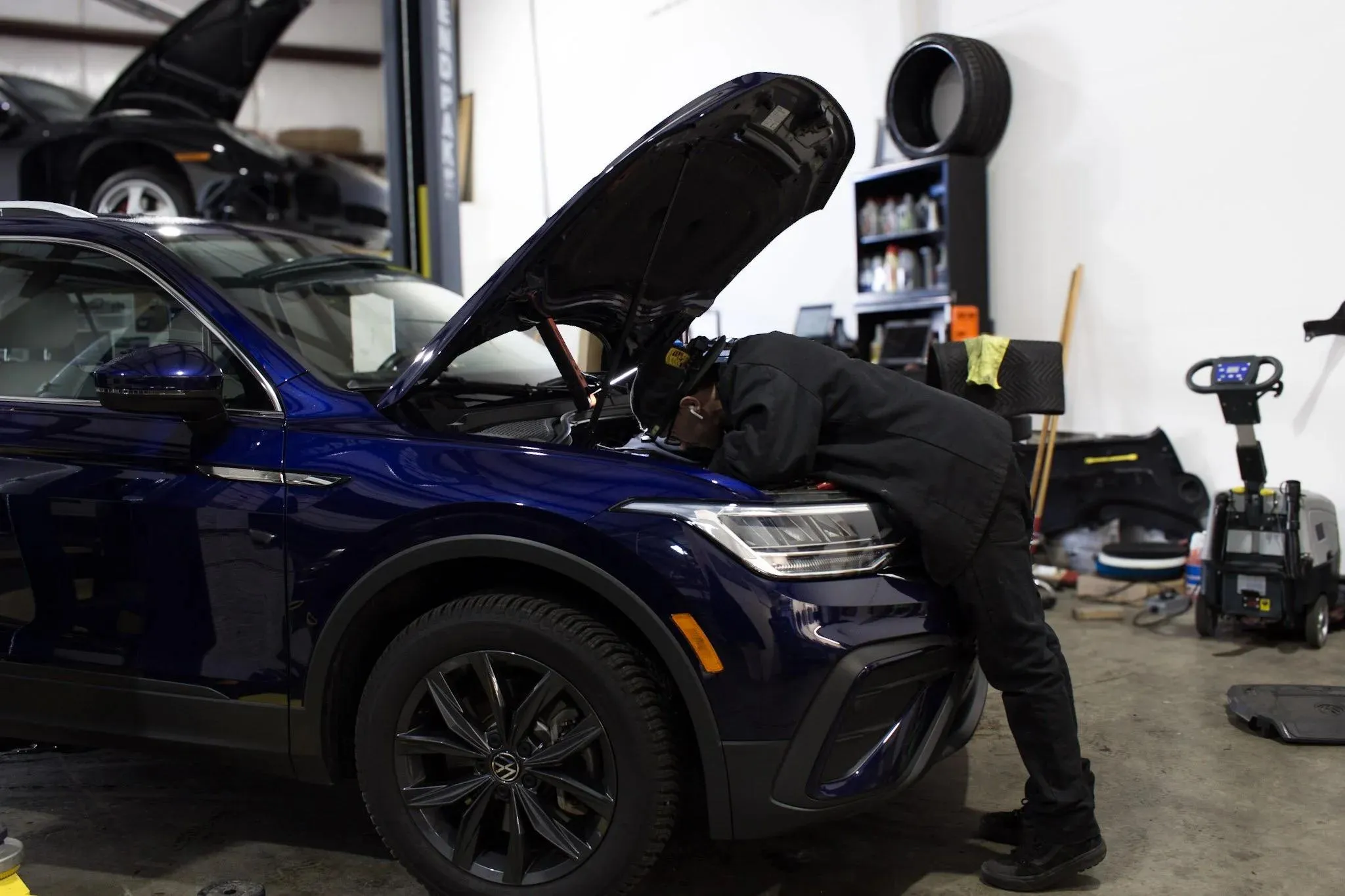
However, like any vehicle, a Volkswagen can develop mechanical, electrical, or electronic problems as it gets older and accumulates mileage. Understanding the most common Volkswagen problems and repair costs can help you recognize warning signs early and avoid more expensive repairs later.
At Jankowski Import Auto Inc., we specialize in German and European auto repair in Long Beach, CA, including Volkswagen issues and repair costs, maintenance, engine repairs, transmission service, electrical troubleshooting, brake repairs, suspension work, and other vehicle services.
This guide explains common Volkswagen issues, their symptoms, estimated repair costs, and what you can do to keep your VW running reliably.
Are Volkswagen Cars Expensive to Maintain?
Volkswagen maintenance costs can vary significantly depending on the model, engine, age, mileage, driving conditions, and type of repair required.
RepairPal currently estimates the average annual repair and maintenance cost for Volkswagen vehicles at approximately $676, although individual vehicles can be significantly higher or lower depending on their condition. RepairPal also reports that Volkswagen vehicles average about 0.5 repair shop visits per year.
Routine maintenance is usually much less expensive than major mechanical repairs. Oil services, brake inspections, filters, fluid services, and regular inspections can help identify smaller problems before they develop into expensive failures.
Volkswagen itself recommends following the maintenance schedule specific to your vehicle. Maintenance intervals can vary between models and model years, so owners should check the maintenance schedule for their particular VW.
Volkswagen issues and repair costs
1. Water Pump and Thermostat Problems
Cooling-system problems are among the issues frequently reported on certain Volkswagen engines.
A failing water pump or thermostat housing can cause coolant leaks, overheating, or low coolant warnings. Plastic components used in some Volkswagen cooling systems can eventually develop leaks or fail with age.
Common symptoms include:
- Low coolant warning
- Coolant leaking under the vehicle
- Engine temperature rising
- Sweet coolant smell
- Temperature fluctuations
- Check engine light
- Reduced heater performance
Repair costs depend heavily on the Volkswagen model and engine. A water pump or thermostat repair can commonly fall somewhere around $600-$1,100, although some vehicles may cost more.
The important thing is not to ignore coolant loss. Continuing to drive an overheating engine can turn a relatively manageable cooling-system repair into a much more expensive engine repair.
2. Timing Chain and Timing Belt Issues
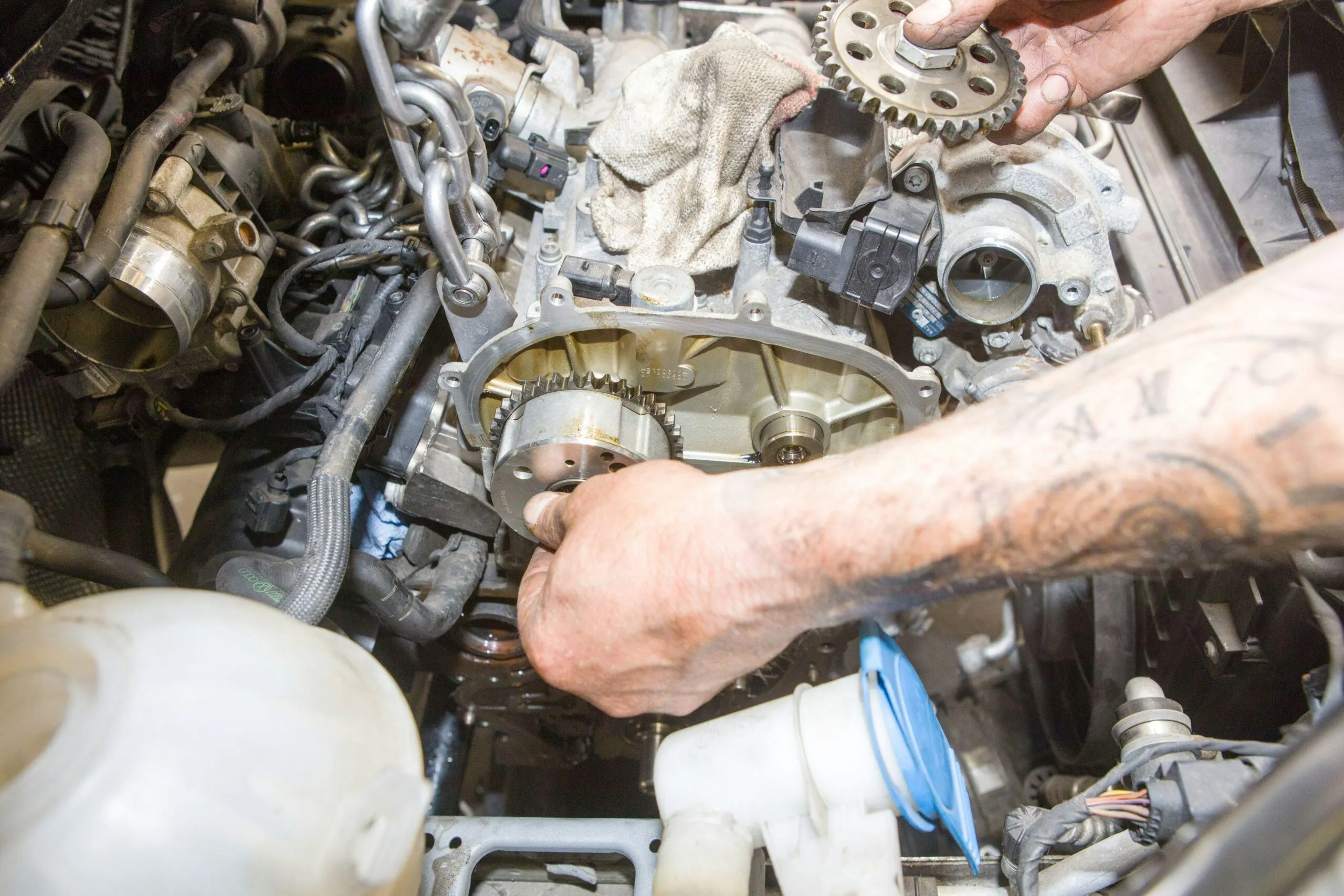
Timing-system problems can be particularly important because the timing system keeps the engine’s internal components operating in the correct sequence.
Some older Volkswagen engines have experienced timing chain tensioner or chain-wear problems. Certain VW engines use timing belts instead, so the required maintenance depends on the specific engine.
A worn timing chain or tensioner may produce:
- Rattling during cold starts
- Check engine light
- Engine misfires
- Rough running
- Difficulty starting
- Camshaft/crankshaft correlation codes
If a timing chain jumps or fails, internal engine damage can occur.
Repair costs vary considerably by engine and vehicle. For some Volkswagen applications, timing chain related repairs can range from approximately $1,200 to $3,000 or more, particularly when additional components or engine damage are involved. RepairPal lists some Volkswagen timing-chain tensioner repairs in the $1,392-$1,851 range.
If you hear a new metallic rattle from the engine during startup, having the vehicle inspected promptly can help prevent further damage.
3. DSG Transmission Problems
Volkswagen’s DSG dual-clutch transmission provides quick and efficient gear changes, but it requires proper maintenance.
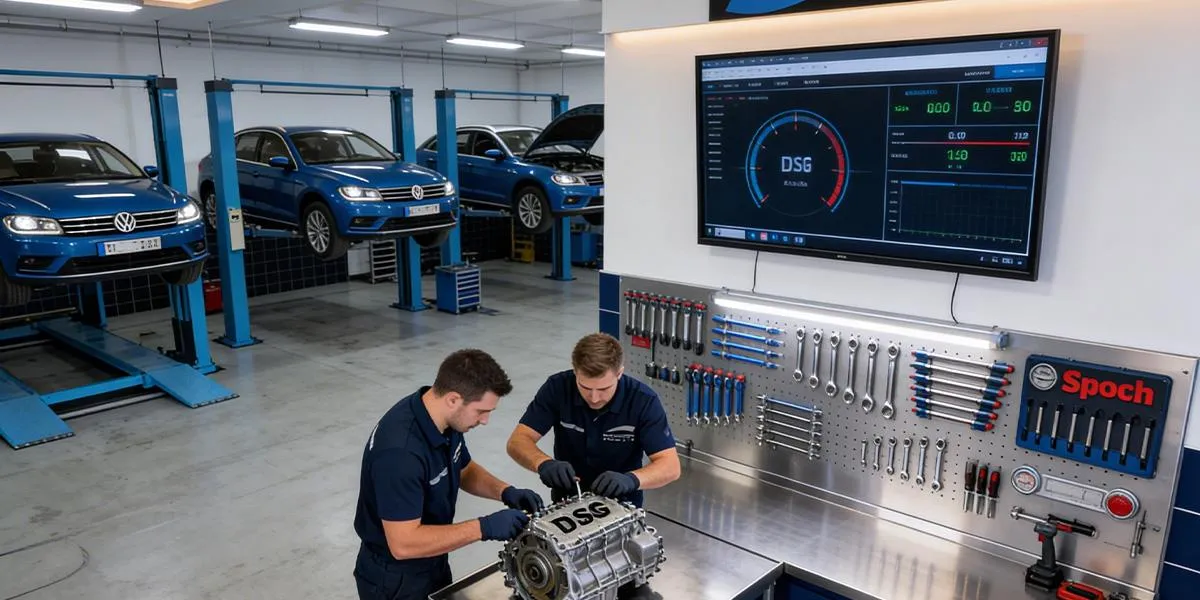
Depending on the vehicle and transmission, neglected fluid service or component wear can contribute to shifting problems.
Warning signs can include:
- Jerky gear changes
- Delayed engagement
- Transmission warning lights
- Shuddering during acceleration
- Difficulty selecting gears
- Limp mode
- Unusual transmission noises
A DSG service is very different from a complete transmission replacement. Routine fluid and filter service can be relatively manageable, while a major mechatronic or transmission problem can become much more expensive.
Some DSG related repairs may cost $1,200-$3,500+, depending on the transmission, parts required, and extent of the failure.
The best approach is to follow the service schedule for your specific transmission instead of waiting for shifting problems to appear.
4. Ignition Coil and Spark Plug Problems
Ignition coils and spark plugs are common maintenance items on many gasoline powered Volkswagen vehicles.
When an ignition coil begins to fail, the engine may misfire and run roughly.
You may notice:
- Rough idle
- Engine shaking
- Loss of power
- Poor acceleration
- Check engine light
- Increased fuel consumption
A single ignition-coil replacement may cost approximately $150-$250, depending on the model and labor rate. RepairPal lists a Volkswagen Golf ignition coil replacement around $165-$247.
Because a misfiring engine can potentially damage other components, it is better to diagnose the cause rather than simply continuing to drive with a flashing or persistent check engine light.
5. PCV Valve Problems
The Positive Crankcase Ventilation (PCV) system helps control crankcase pressure and route gases back into the engine’s intake system.
A failing PCV valve can cause:
- Rough idle
- Whistling noises
- Engine performance problems
- Oil leaks
- Increased oil consumption
- Check engine light
PCV problems can sometimes be confused with other engine issues, which is why proper diagnostics are important.
Repair costs vary by Volkswagen model, but replacing a PCV component is generally much less expensive than repairing damage caused by ignoring an underlying engine problem.
6. Carbon Buildup on Direct Injection Engines
Many Volkswagen gasoline engines use direct fuel injection. Over time, carbon deposits can build up on intake valves in certain engines.
Carbon buildup may contribute to:
- Rough idle
- Reduced acceleration
- Hesitation
- Reduced fuel economy
- Engine misfires
- Loss of performance
Professional intake-valve cleaning may cost approximately $400–$900, depending on the engine and cleaning method.
Not every Volkswagen will develop the same level of carbon buildup, so diagnosis should be based on symptoms, mileage, engine design, and inspection results rather than assuming cleaning is always necessary.
7. Electrical and Sensor Problems
Modern Volkswagen vehicles contain numerous electronic control modules, sensors, wiring systems, and communication networks.
An electrical problem can sometimes produce confusing symptoms because one failed sensor or module may affect multiple vehicle systems.
Common electrical issues can involve:
- Battery or charging problems
- Faulty sensors
- Wiring faults
- Window regulators
- Door-lock systems
- Warning lights
- Electronic control modules
- Infotainment problems
For example, a failed window regulator can prevent a power window from operating correctly. RepairPal identifies power-window failures caused by window regulators as one of the commonly reported Volkswagen problems.
Because modern European vehicles use sophisticated electronics, replacing parts without proper testing can become expensive. Diagnostic testing should normally be performed before replacing major electrical components.
8. Oil Leaks
Oil leaks can occur as Volkswagen vehicles age.
Common sources can include:
- Valve cover gaskets
- Oil filter housing seals
- Camshaft seals
- Timing-cover areas
- Crankshaft seals
- Other engine seals and gaskets
A small oil leak may initially leave only a few drops underneath the vehicle. However, ignoring it can eventually lead to low oil levels, contamination of other components, or more serious engine problems.
If you notice oil spots in your driveway or a burning oil smell after driving, have the source inspected.
9. Suspension and Steering Problems
Volkswagen suspension systems are designed to provide a balance between comfort and handling, but suspension components naturally wear over time.
Common wear items include:
- Control-arm bushings
- Ball joints
- Struts
- Shock absorbers
- Sway-bar links
- Tie rods
- Wheel bearings
Possible symptoms include:
- Clunking over bumps
- Uneven tire wear
- Vehicle pulling to one side
- Steering vibration
- Loose steering feel
- Reduced ride comfort
The repair cost depends on which components have failed. Replacing a small suspension component may be relatively inexpensive, while a complete suspension overhaul can cost significantly more.
A suspension inspection is especially useful when buying a used Volkswagen.
10. Brake System Wear
Brake pads and rotors are normal wear items, not necessarily signs that a Volkswagen is unreliable.
Driving style, traffic conditions, vehicle weight, and brake-component quality all affect how long brakes last.
Common signs that your VW needs brake service include:
- Squealing
- Grinding
- Brake vibration
- Longer stopping distance
- Brake warning light
- Uneven braking
RepairPal lists Volkswagen brake-pad replacement examples around $284-$349, although actual pricing varies by model, parts, and location.
Regular brake inspections can help identify worn pads before they damage the rotors.
Volkswagen Common Repair Cost Guide
The following ranges are general estimates rather than fixed prices. Your actual repair cost can vary based on model year, engine, transmission, parts, labor, and the extent of the problem.
| Common Volkswagen Repair | Approximate Cost Range |
| Diagnostic inspection | $100–$250+ |
| Ignition coil replacement | $150–$250 per coil |
| Brake pad replacement | $280–$350+ |
| Water pump / thermostat | $600–$1,100+ |
| Carbon cleaning | $400–$900 |
| Timing chain-related repair | $1,200–$3,000+ |
| DSG / transmission-related repair | $1,200–$3,500+ |
| Window regulator | $250–$450+ |
| Major engine repair | $2,000–$6,000+ |
| Transmission replacement | $5,000–$9,000+ |
These are general planning ranges, not quotes. For example, RepairPal currently lists some Volkswagen transmission replacements at more than $8,000, demonstrating how dramatically repair costs can vary between models and repair types.
How to Reduce Volkswagen Repair Costs
The best way to control Volkswagen repair expenses is to stay ahead of maintenance.
Follow the Factory Maintenance Schedule
Volkswagen provides maintenance schedules for its vehicles, and the required services can differ by model and year. Following the correct schedule helps ensure important fluids, filters, inspections, and other maintenance items are not overlooked.
Don’t Ignore Warning Lights
A check-engine light, coolant warning, oil warning, or transmission warning should not be ignored.
A small problem can sometimes become a major repair if the vehicle continues to operate with a failing component.
Use Proper Diagnostic Equipment
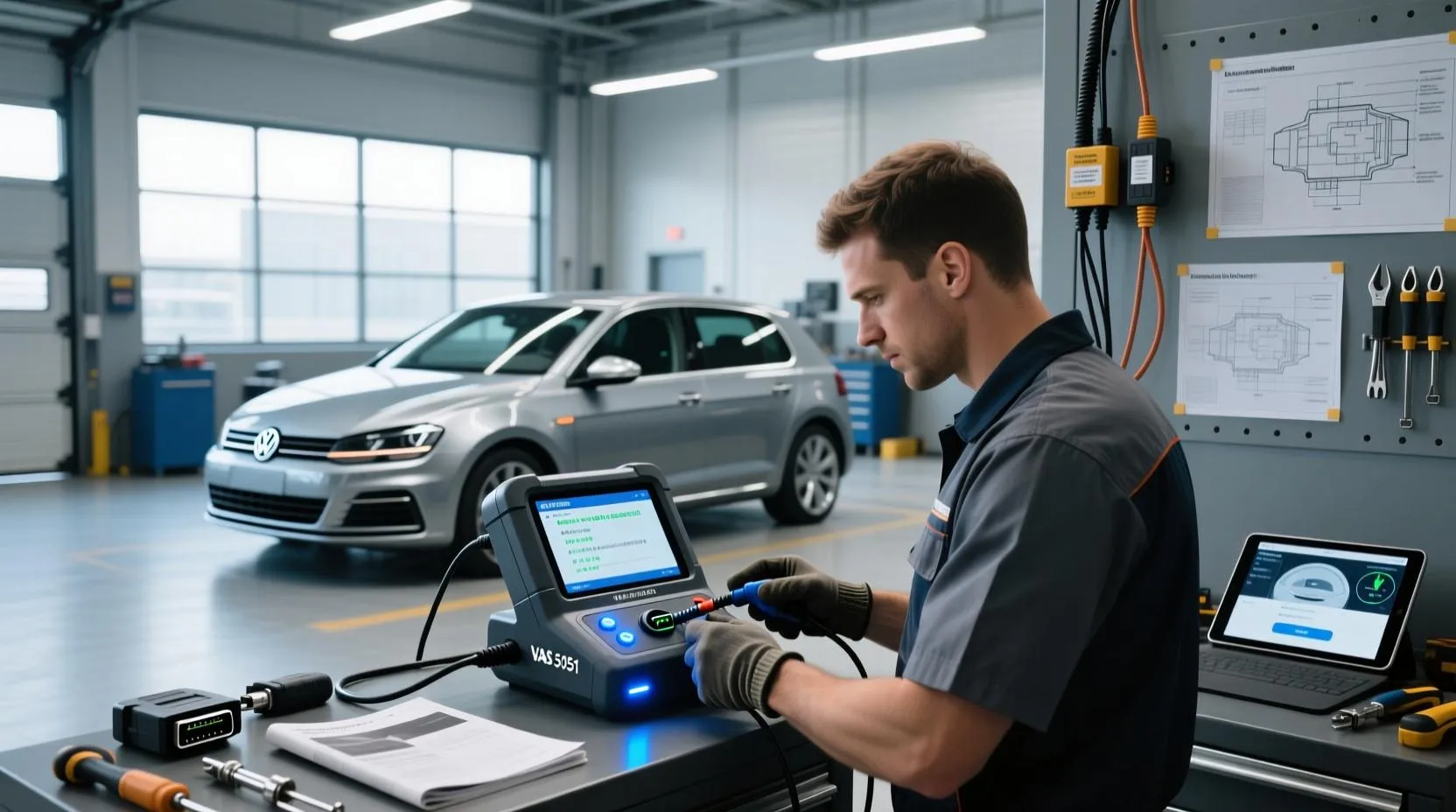
Volkswagen vehicles can require specialized diagnostic equipment to accurately identify electronic and mechanical problems.
At Jankowski Import Auto Inc., our technicians use advanced diagnostic technology to identify complex vehicle issues and help avoid unnecessary repairs.
Keep Up With Fluid Services
Engine oil, coolant, brake fluid, and transmission fluids all play important roles in vehicle reliability.
Volkswagen’s maintenance information includes inspections and fluid related service items that vary by vehicle. For example, current VW maintenance documentation specifies brake fluid replacement intervals that are time-based rather than simply mileage-based for applicable vehicles.
Inspect Your VW Before Problems Become Serious
Regular inspections can identify worn components, fluid leaks, brake wear, suspension problems, and other issues before they become major repairs.
Volkswagen also notes that scheduled inspections can help identify small problems before they develop into more expensive issues.
Volkswagen Maintenance Checklist
For better long-term reliability, Volkswagen owners should keep track of:
- Engine oil and filter changes
- Brake inspection
- Brake fluid condition
- Coolant level and cooling-system leaks
- Transmission service
- Spark plugs
- Air filter
- Cabin filter
- Tire condition and pressure
- Battery health
- Suspension components
- Steering components
- Timing-system maintenance
- Warning lights
- Fluid leaks
- Manufacturer recommended inspections
The exact maintenance requirements depend on the specific Volkswagen model, engine, transmission, and model year.
When Should You Take Your Volkswagen to a Repair Shop?
You should schedule an inspection if you notice any unusual change in the vehicle’s behavior.
Pay particular attention to:
New noises:
Rattling, knocking, whining, grinding, or unusual ticking sounds can indicate mechanical problems.
Warning lights:
Check-engine, oil-pressure, coolant, ABS, or transmission warnings should be investigated.
Fluid leaks:
Oil, coolant, brake fluid, or transmission fluid under the vehicle should not be ignored.
Changes in driving:
Jerking, hesitation, rough shifting, loss of power, or steering changes can indicate an underlying problem.
Overheating:
If the temperature rises or the coolant warning appears, stop driving when it is safe and have the vehicle inspected.
Volkswagen Recalls: Don’t Forget to Check Your VIN
Not every Volkswagen problem is a maintenance issue. Some problems may be related to a safety recall or manufacturer service campaign.
Volkswagen provides an official recall and service campaign lookup where owners can check their vehicle using the VIN. The company recommends completing applicable safety recalls without delay.
The National Highway Traffic Safety Administration (NHTSA) also provides a recall lookup that allows vehicle owners to search by VIN, license plate, or vehicle information.
If your Volkswagen has an open safety recall, the repair may be handled through the manufacturer’s recall program rather than as a normal customer paid repair.
Why Professional Volkswagen Diagnostics Matter
One of the biggest mistakes Volkswagen owners can make is replacing parts based only on symptoms.
For example, rough running could be caused by an ignition coil, spark plug, vacuum leak, fuel-system problem, carbon buildup, or another issue. Similarly, a warning light does not automatically mean that the component associated with the warning needs to be replaced.
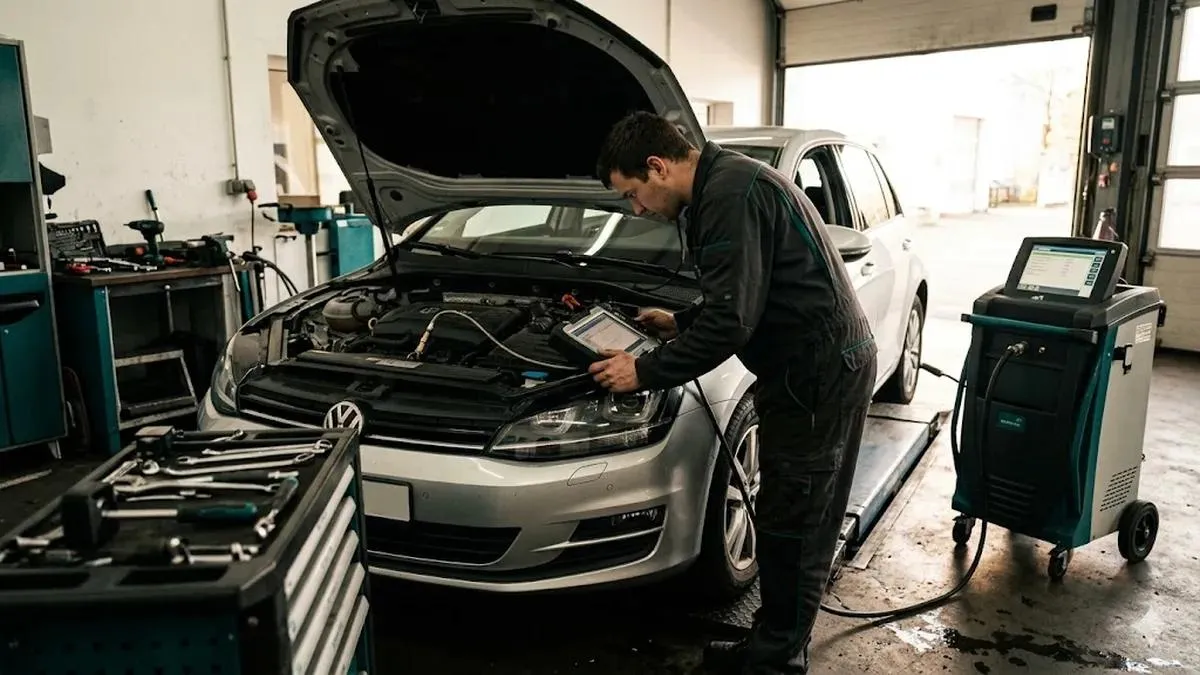
Professional diagnostics can help identify the actual cause before parts are installed.
At Jankowski Import Auto Inc., we provide Volkswagen and European vehicle diagnostics, maintenance, engine and transmission services, electrical troubleshooting, brake repairs, suspension services, and other repair solutions in Long Beach, CA.
Final Thoughts: Keeping Your Volkswagen Reliable
Volkswagen ownership does not have to mean unexpected repair bills.
Many common Volkswagen issues can be managed more effectively when they are identified early. Routine maintenance, proper diagnostics, timely fluid services, and regular inspections can help prevent minor problems from becoming major repairs.
The most important thing is to understand that Volkswagen repair costs vary by model, engine, year, mileage, and the specific failure. A Jetta with a simple ignition coil issue will have very different repair costs from a Touareg with a major drivetrain problem.
If your Volkswagen is showing unusual symptoms, getting an accurate diagnosis is the first step toward understanding what needs to be repaired and how much it may cost.
For Volkswagen service, diagnostics, maintenance, and European auto repair in Long Beach, CA, contact Jankowski Import Auto Inc. Our team works with Volkswagen and other German and European vehicles using advanced diagnostic equipment and OEM quality parts.
Frequently Asked Questions
What are the most common Volkswagen problems?
Commonly reported issues vary by model and engine, but can include cooling-system leaks, timing-system problems, DSG transmission issues, ignition-coil failures, PCV problems, carbon buildup, electrical faults, oil leaks, and suspension wear.
How much does Volkswagen repair cost?
Repair costs vary widely. RepairPal currently reports an average annual Volkswagen repair and maintenance cost of approximately $676, while individual repairs can range from a few hundred dollars to several thousand dollars.
Are Volkswagen cars expensive to maintain?
Volkswagen maintenance costs depend on the vehicle and its condition. Following the manufacturer’s recommended maintenance schedule can help identify problems early and reduce the risk of larger repairs.
How do I know if my Volkswagen has a recall?
You can check your vehicle’s VIN through Volkswagen’s official recall lookup or the NHTSA recall database.
How can I prevent expensive Volkswagen repairs?
Follow the correct maintenance schedule, change fluids when required, inspect brakes and suspension regularly, address warning lights quickly, and have unusual noises or leaks diagnosed before continuing to drive the vehicle.
Where can I get Volkswagen repair in Long Beach, CA?
Jankowski Import Auto Inc. provides German and European auto repair services in Long Beach, including Volkswagen diagnostics, maintenance, engine and transmission services, electrical repairs, brakes, suspension, and other vehicle repairs.
What is the $3000 rule for car repairs?
The $3,000 rule is a general guideline used to compare a major repair cost with the car’s current value and future repair needs. It is not an official rule, so the right decision depends on the vehicle’s condition, value, and repair history.