
European cars are known for their performance, engineering, comfort, and advanced technology. Brands such as BMW, Mercedes-Benz, Audi, Volkswagen, MINI, and Porsche are designed with carefully engineered engines that require the right maintenance to perform properly.
One of the most important parts of routine maintenance is an oil change.
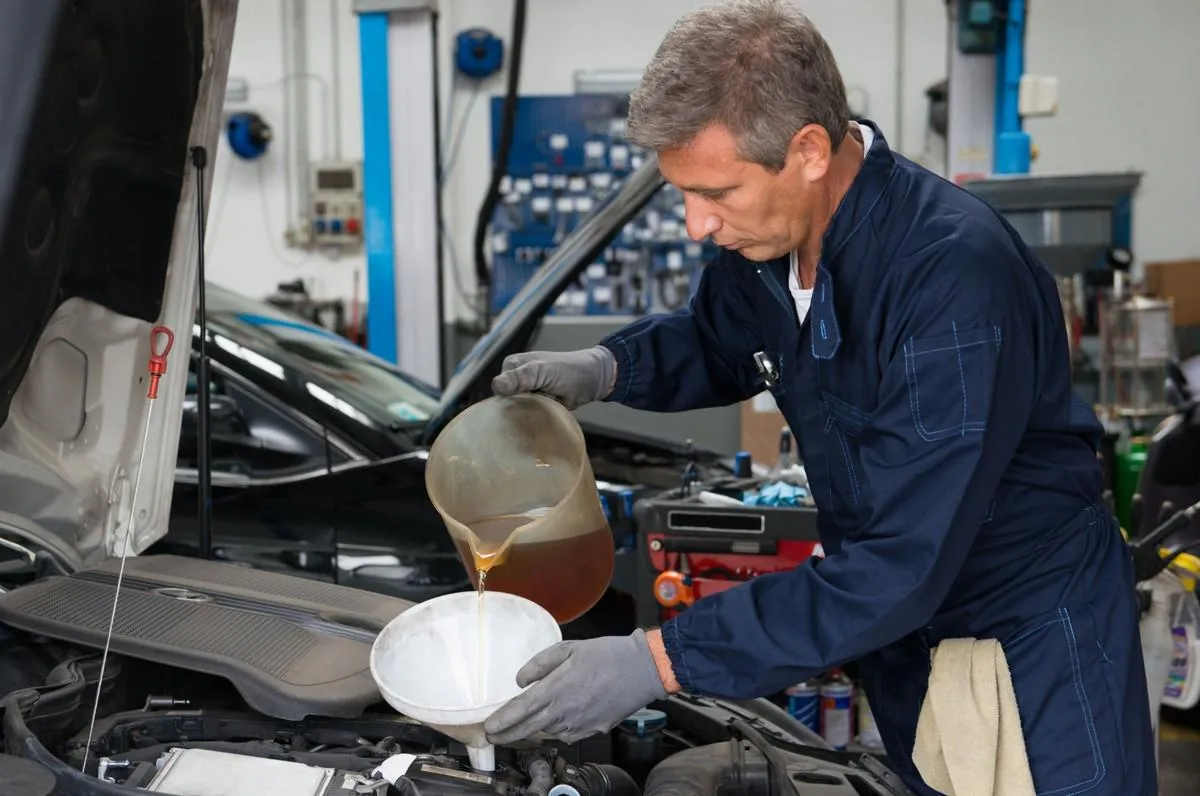
Engine oil lubricates moving components, helps control engine temperature, reduces friction, and carries contaminants away from critical engine parts. Over time, however, oil becomes contaminated and its protective properties can decrease. Following the correct oil change interval can help support engine performance, reliability, and long-term vehicle health.
But how often should you change the oil in a European car?
The answer depends on the vehicle’s make, model, model year, engine, oil specification, driving conditions, and manufacturer’s maintenance schedule.
In this guide, we’ll explain European car oil change intervals, why they matter, signs that your oil may need attention, and what Long Beach drivers should know about maintaining BMW, Mercedes-Benz, Audi, Volkswagen, MINI, Porsche, and other European vehicles.
Why Are Oil Changes Important for European Cars?
Modern European engines are engineered to deliver strong performance while meeting demanding efficiency and emissions requirements. Many use turbocharging, direct injection, variable valve timing, and other advanced technologies.
These systems make proper lubrication especially important.
Fresh engine oil helps:
- Reduce friction between moving engine components
- Protect internal engine parts from excessive wear
- Help control engine temperatures
- Carry contaminants toward the oil filter
- Support smooth engine operation
- Maintain proper lubrication during cold starts
- Protect turbocharged engine components
- Help maintain long-term engine reliability
As oil ages, it can become contaminated with combustion byproducts, fuel, moisture, and other particles. The oil filter also becomes loaded with contaminants.
That is why an oil change is more than simply removing old oil and adding new oil. A proper service should use the correct oil specification and filter for the specific vehicle.
How Often Should You Change Oil in a European Car?
There is no single oil change interval that applies to every European vehicle.
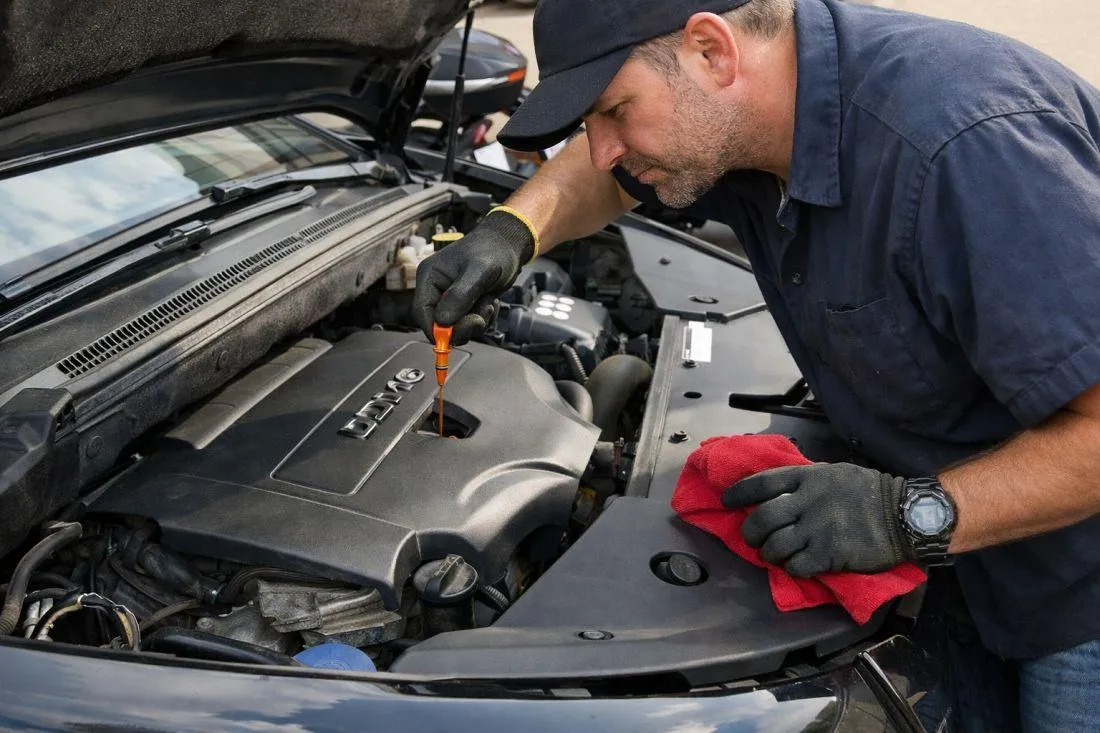
Many modern European vehicles use longer factory-recommended maintenance intervals than older vehicles did. However, the correct interval should always be based on the manufacturer’s maintenance schedule for the exact vehicle.
For example, Mercedes-Benz USA currently lists Service A at approximately 10,000 miles or 1 year, whichever comes first, followed by scheduled services at approximately 20,000-mile/2-year intervals in its general service information. Mercedes also specifies motor oil and oil filter replacement as part of the service.
Volkswagen USA recommends maintenance every 10,000 miles or 12 months, whichever occurs first, for its newer vehicles, although exact maintenance requirements can vary by model.
Audi provides vehicle-specific maintenance schedules and recommends owners use the appropriate schedule based on the vehicle’s model year, model, trim, VIN, and mileage.
BMW likewise directs owners to the vehicle’s owner’s manual for the recommended engine oil specification and maintenance information.
A Practical Starting Point
For many modern European vehicles, a factory schedule may fall around 10,000 miles or 12 months, but this should be treated only as a general reference—not a universal rule.
Your exact vehicle may require a different interval.
If you drive under severe conditions, frequently make short trips, spend a lot of time in stop-and-go traffic, or regularly operate the vehicle under heavy loads, your maintenance needs may also differ.
European Car Oil Change Intervals by Brand
BMW Oil Change Intervals
BMW uses advanced engines that can include turbocharging, direct injection, and sophisticated engine management systems.
BMW’s maintenance program includes engine oil and engine filter service among its scheduled maintenance items. BMW also states that owners should refer to their vehicle’s owner’s manual for the recommended engine oil.
Because BMW maintenance schedules can vary by model and year, don’t rely on a generic mileage number alone.
For example, a BMW 3 Series may have different requirements from a BMW X5 or a high-performance M model.
If you’re unsure about your BMW’s oil change schedule, checking the vehicle-specific maintenance information is the safest approach.
Mercedes-Benz Oil Change Intervals
Mercedes-Benz uses scheduled services such as Service A and Service B.
Mercedes-Benz USA currently describes Service A as including motor oil replacement, oil filter replacement, fluid checks, tire checks, brake inspection, and maintenance-counter reset. Its general schedule lists the first Service A at approximately 10,000 miles or one year, whichever comes first.
Service B also includes oil and oil filter replacement along with additional maintenance items.
Because service requirements can vary between Mercedes-Benz models and model years, always confirm the schedule for your specific vehicle.
Audi Oil Change Intervals
Audi vehicles are designed around specific maintenance schedules that can vary by model, engine, and model year.
Audi USA provides a maintenance tool that allows owners to check recommended maintenance based on the vehicle’s VIN, model year, model, trim, and mileage.
For 2026 and newer eligible Audi vehicles, Audi Signature Care includes scheduled maintenance at 10,000, 20,000, and 30,000 miles or the corresponding time intervals, whichever comes first. Covered services can include engine oil and filter changes, although exact services depend on the vehicle and schedule.
This is another reason why Audi owners should avoid assuming that every model uses exactly the same oil-change interval.
Volkswagen Oil Change Intervals
Volkswagen recommends following the vehicle-specific maintenance schedule.
For newer Volkswagen models, Volkswagen USA recommends maintenance every 10,000 miles or 12 months, whichever occurs first.
However, Volkswagen also notes that maintenance intervals can vary from model to model.
If you own a Volkswagen Tiguan, Atlas, Jetta, Golf, GTI, or another VW model, check the correct maintenance information for your exact vehicle.
MINI Oil Change Intervals
MINI vehicles share engineering roots with BMW and use advanced engines that require the correct oil specification.
The appropriate maintenance interval can vary depending on the MINI model, engine, model year, and driving conditions.
Instead of relying on a generic every X miles rule, MINI owners should follow the maintenance schedule specified for their vehicle.
Porsche Oil Change Intervals
Porsche vehicles are designed with performance in mind, and engine oil plays an important role in protecting the engine during normal and high-performance driving.
Porsche models can have different maintenance requirements depending on the engine, model, model year, and driving conditions.
Owners should follow the vehicle’s recommended maintenance schedule and use the correct manufacturer-approved oil specification.
For performance-oriented vehicles, delaying maintenance simply because the vehicle has not reached a particular mileage can be a poor maintenance strategy.
Should You Change European Car Oil More Frequently?
Not necessarily.
Modern synthetic oils and modern engine designs allow many vehicles to operate with longer factory maintenance intervals.
However, your driving habits matter.
You may want to discuss a more frequent maintenance schedule with a qualified technician if your vehicle regularly experiences:
- Heavy stop-and-go traffic
- Frequent short-distance trips
- Extended idling
- Aggressive or performance driving
- Frequent cold starts
- Heavy loads
- High-temperature operation
- Long periods of low-speed driving
The important point is to balance the manufacturer’s recommendations with the actual way the vehicle is used.
What Happens If You Delay an Oil Change?
Delaying an oil change does not necessarily cause immediate engine failure, but consistently exceeding the recommended maintenance interval can increase the risk of lubrication-related problems.
Old or contaminated oil may provide less effective protection for engine components.
Potential consequences of neglected oil maintenance can include:
- Increased engine wear
- Reduced lubrication performance
- Sludge or deposits
- Increased friction
- Poor engine performance
- Increased oil consumption
- Potential damage to expensive engine components
Turbocharged European engines can be particularly sensitive to proper lubrication because the turbocharger operates at very high speeds and temperatures.
That is why routine oil maintenance should be treated as preventive care rather than something to postpone until a problem appears.
Signs Your European Car May Need an Oil Change
Your vehicle may provide several warning signs when something is wrong with the engine oil or lubrication system.
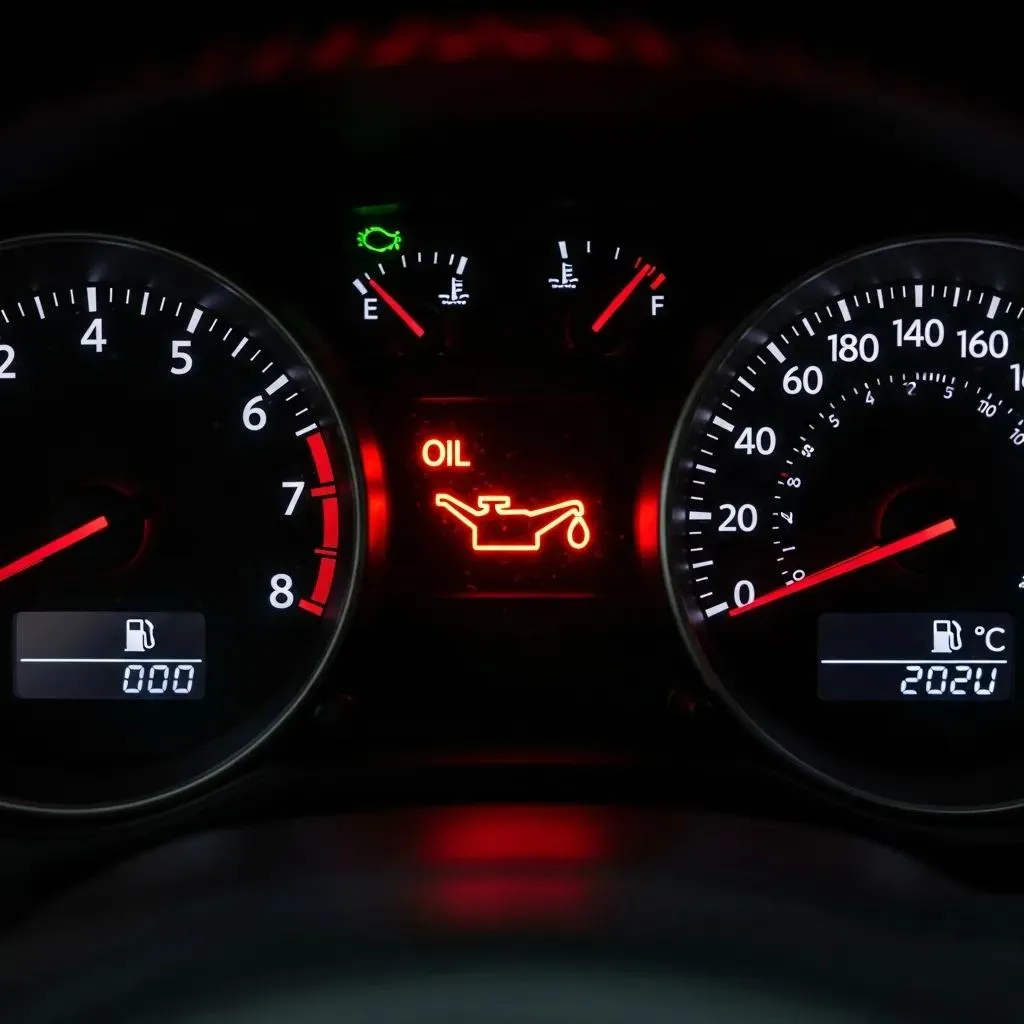
1. Oil Warning Light
If an oil pressure or oil-related warning light appears on the dashboard, do not ignore it.
A warning light can indicate a serious lubrication or oil-pressure problem. Depending on the situation, continuing to drive may cause significant engine damage.
2. Low Oil Level
If the engine oil level is consistently low, the vehicle may have an oil leak or be consuming oil.
European vehicles can sometimes develop leaks as seals, gaskets, and other components age.
3. Unusual Engine Noise
A change in engine noise, ticking, knocking, or other unusual sounds can indicate a lubrication issue or another mechanical problem.
If you notice a new or unusual engine noise, have the vehicle inspected rather than assuming an oil change alone will solve it.
4. Burning Oil Smell
A noticeable burning-oil smell may indicate an oil leak onto a hot engine component.
This should be inspected promptly.
5. Oil Leaks
Oil spots underneath your vehicle can indicate a leak.
A small leak can become a larger problem over time, so identifying the source early can help prevent further damage.
6. Check Engine Light
A check engine light does not automatically mean your vehicle needs an oil change.
However, if it appears together with poor performance, unusual noises, smoke, or other symptoms, professional diagnostics can help identify the underlying issue.
What Type of Oil Does a European Car Need?
This is one of the most important parts of European vehicle maintenance.
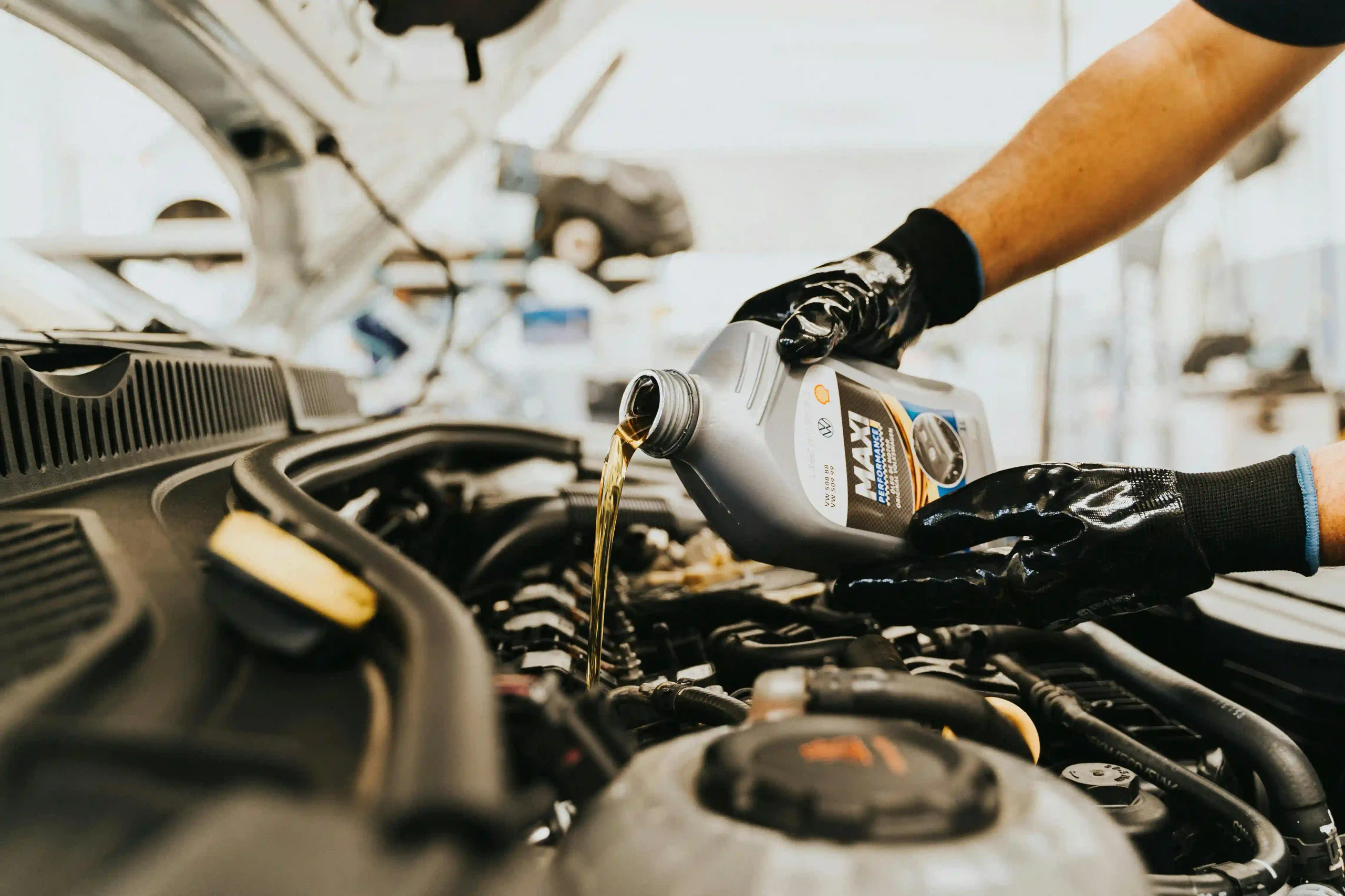
You should not choose engine oil based only on viscosity, such as 0W-20, 5W-30, or 5W-40.
The oil must also meet the manufacturer’s required specification or approval for your specific engine.
Two oils can have the same viscosity rating but different performance specifications.
Using the wrong oil can potentially affect:
- Engine lubrication
- Emissions-system operation
- Turbocharger protection
- Engine performance
- Long-term component durability
BMW, Mercedes-Benz, Audi, Volkswagen, MINI, and Porsche may specify different oil requirements across different engines and model years.
Always check the owner’s manual or vehicle-specific factory information before selecting engine oil.
Synthetic Oil vs. Conventional Oil
Most modern European vehicles are designed to use high-quality synthetic engine oil.
Synthetic oils can provide strong performance across a wide range of temperatures and are commonly used in modern turbocharged and high-performance engines.
However, “synthetic” alone does not mean the oil is correct for your vehicle.
The important question is:
Does the oil meet the manufacturer’s required specification for my engine?
A professional technician should verify the correct specification before performing the oil service.
Does Driving in Long Beach Affect Oil Change Frequency?
Driving conditions can influence maintenance needs.
Long Beach drivers may experience traffic congestion, frequent stops, short trips, and extended periods of low-speed driving.
These conditions can be harder on a vehicle than consistent highway cruising.
If your European vehicle spends most of its time in traffic or on short trips, talk with your technician about whether your driving pattern calls for additional attention between scheduled services.
The correct maintenance plan should consider both the manufacturer’s recommendations and your actual driving habits.
What Is Included in a Professional Oil Change?
A proper European vehicle oil service should involve more than simply draining the old oil.
Depending on the vehicle, a professional oil change service may include:

- Draining the old engine oil
- Installing the correct oil filter
- Adding the correct quantity of approved engine oil
- Checking the oil level
- Inspecting for visible leaks
- Checking relevant fluid levels
- Inspecting other maintenance items as appropriate
- Resetting the vehicle’s maintenance reminder when required
At Jankowski Import Auto Inc., oil changes are part of the maintenance services available for European vehicles. The shop specializes in German and European vehicles including Mercedes-Benz, BMW, Audi, Volkswagen, MINI, and Porsche, with a focus on diagnostics, maintenance, repairs, and OEM-quality parts.
Why European Cars Benefit From Specialized Service
European vehicles often use specialized components, manufacturer-specific procedures, and advanced electronic systems.
A technician who regularly works with European vehicles can better understand the differences between brands and models.
At Jankowski Import Auto Inc., the focus is on German and European vehicles and includes advanced diagnostics, preventative maintenance, electrical repair, engine work, brake service, suspension work, and other specialized services.
That specialized approach can be especially useful when an oil change reveals another issue, such as an oil leak, worn gasket, fluid leak, warning light, or maintenance item that requires further inspection.
How to Keep Track of Your European Car’s Oil Changes
Keeping maintenance records is one of the easiest ways to protect your vehicle.
After every oil service, record:
- Date of service
- Vehicle mileage
- Oil type and specification
- Oil filter used
- Any additional maintenance performed
- Recommended next service
Maintaining accurate records can also help when selling the vehicle because it provides evidence that routine maintenance has been performed.
European Car Oil Change Checklist
Before scheduling your next service, ask yourself:
✔ Do I know when my last oil change was?
✔ Do I know the current mileage?
✔ Am I using the oil specification recommended for my vehicle?
✔ Has my vehicle been losing oil?
✔ Do I see oil spots under the car?
✔ Has an oil or check-engine warning appeared?
✔ Do I mostly drive in traffic or take short trips?
✔ Is my vehicle due for another scheduled maintenance service?
If you answered “no” to some of these questions, a professional inspection can help you understand what your vehicle needs.
Frequently Asked Questions
How often should I change the oil in my European car?
The correct interval depends on the make, model, model year, engine, and manufacturer schedule. Many newer European vehicles use intervals around 10,000 miles or one year, but this is not universal. Always verify the schedule for your exact vehicle.
How often does a Mercedes-Benz need an oil change?
Mercedes-Benz USA’s general service information lists the first Service A at approximately 10,000 miles or one year, whichever comes first. Exact requirements can vary by vehicle.
How often does a Volkswagen need an oil change?
Volkswagen USA recommends maintenance every 10,000 miles or 12 months, whichever occurs first, for its newer vehicles, while noting that intervals can vary by model.
What oil does my BMW need?
BMW specifies approved engine oils based on the specific vehicle. BMW recommends checking the owner’s manual for the appropriate engine oil for your vehicle.
Does Audi require synthetic oil?
The correct oil depends on the specific Audi engine and its required factory specification. Check your vehicle’s maintenance information or owner’s manual rather than choosing oil based only on viscosity.
Can I wait until the oil warning light comes on?
You should not use the oil warning light as your normal oil-change reminder. Routine maintenance should be performed according to the manufacturer’s recommended schedule.
Is an oil change enough for European car maintenance?
No. Oil service is only one part of preventative maintenance. European vehicles may also require inspections, brake service, filters, fluid service, spark plugs, transmission maintenance, and other scheduled work depending on the vehicle and mileage.
Keep Your European Car Running Right
Regular oil changes are one of the simplest ways to support the long-term health of your European vehicle.
Whether you drive a BMW, Mercedes-Benz, Audi, Volkswagen, MINI, Porsche, or another European vehicle, the key is to follow the correct maintenance schedule, use the correct oil specification, and address problems before they become expensive repairs.
If you’re in Long Beach, CA, Jankowski Import Auto Inc. provides European and German auto repair and maintenance services, including professional oil changes, preventative maintenance, diagnostics, engine service, electrical repairs, brakes, suspension, and other vehicle services.
Don’t wait for an engine problem to remind you about maintenance.
Schedule your European car service with Jankowski Import Auto Inc. and keep your vehicle maintained for the road ahead.