
Transmission repair or replacement time depends on the type of transmission problem, the vehicle model, the availability of parts, and the amount of work required. Some minor transmission repairs may be completed within a few hours, while complex repairs or a complete transmission replacement can take several days or longer.
For drivers of BMW, Mercedes-Benz, Audi, Volkswagen, MINI, and Porsche vehicles, understanding the repair timeline can make it easier to plan transportation, communicate with a repair shop, and make informed decisions about the vehicle.
Transmission problems do not all require the same solution. A vehicle experiencing a minor electrical fault may need a different repair process from one with internal transmission damage. Similarly, replacing a complete transmission involves more work than repairing an external component or resolving a sensor-related issue.
This guide explains how long transmission repairs and replacements usually take, what happens during the repair process, which factors cause delays, and how to determine the best next step for your vehicle.
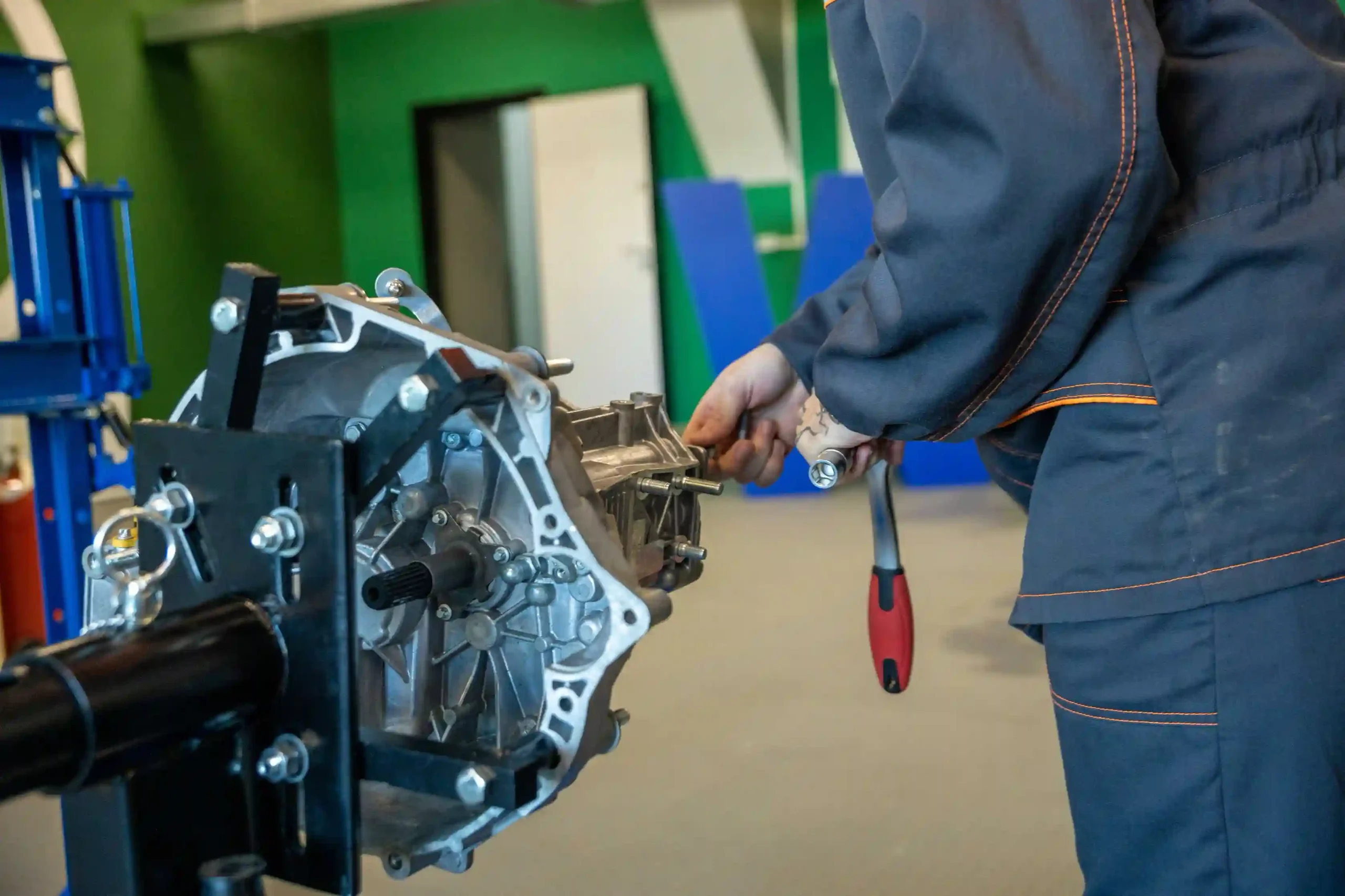
How Long Does Transmission Repair Take?
Transmission repair time varies according to the fault and the work needed to correct it. A technician must first identify the problem before providing a reliable estimate.
Some transmission-related repairs are relatively straightforward. Others require detailed testing, component removal, specialized tools, or internal transmission work.
The following timeframes are general estimates of workshop labor and should not be treated as guaranteed completion times.
| Type of transmission work | General estimated labor time |
| Initial transmission diagnostic testing | 1–3 hours |
| External sensor or electrical repair | 1–4 hours |
| Minor external component replacement | 2–5 hours |
| Transmission fluid service, when appropriate | 1–3 hours |
| Solenoid or valve body repair | Several hours to a full working day |
| Transmission removal and replacement | Approximately 6-15+ labor hours |
| Internal transmission rebuild | Several days of workshop work may be required |
Actual times vary considerably by make, model, transmission design, accessibility, and the repair procedure specified by the manufacturer.
It is also important to distinguish labor time from total turnaround time. A repair requiring eight hours of labor might take two or three calendar days if the shop has to order parts, schedule a specialist, or perform additional testing.
How Long Does Transmission Replacement Take?
A complete transmission replacement usually requires more work than a simple external repair because the technician must remove the existing unit and install another compatible transmission.
For many vehicles, the replacement process may require one to several working days once the correct parts and workshop time are available. Some vehicles can be completed sooner, while complicated European models may require additional time.
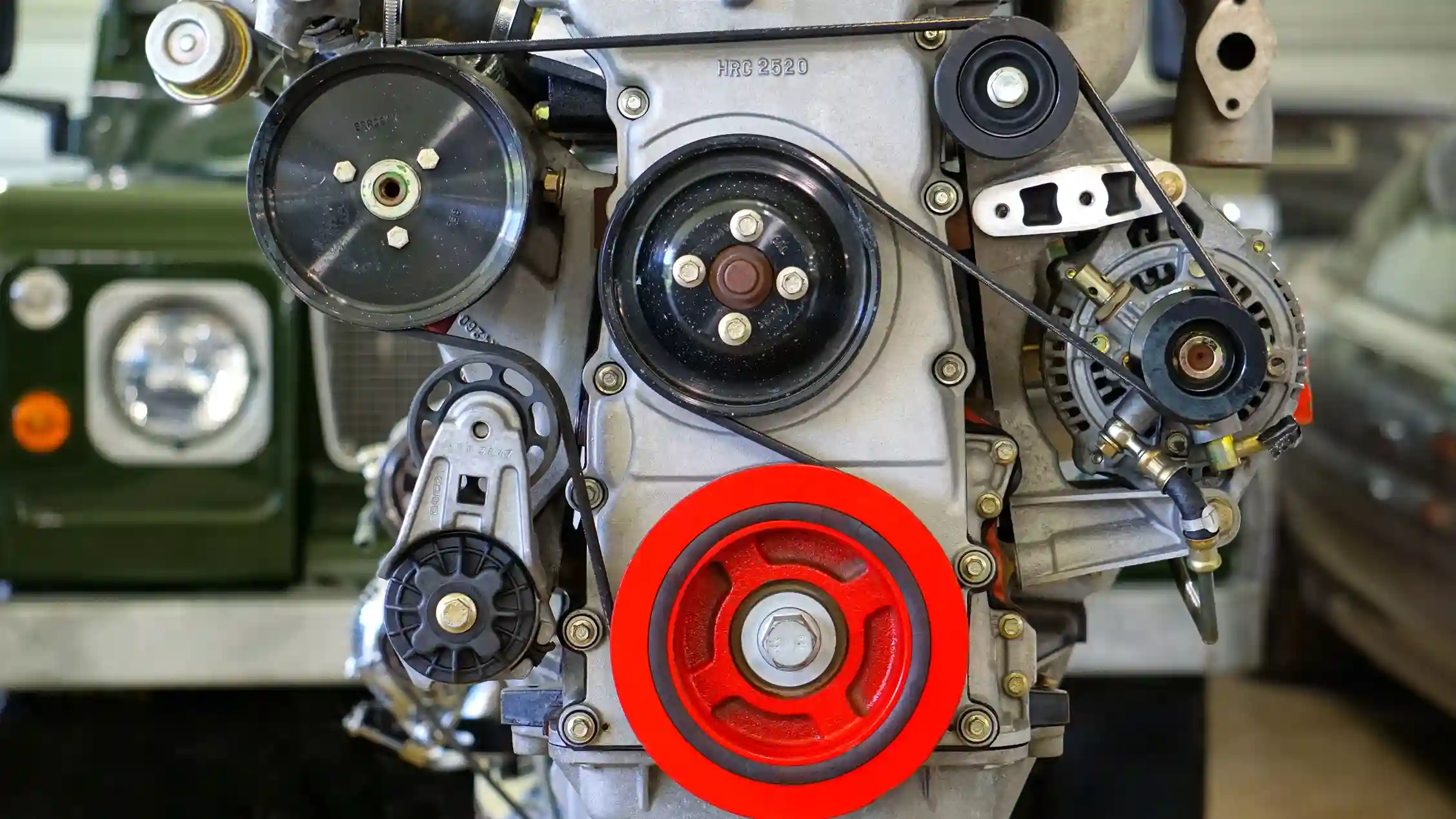
A typical transmission replacement involves several stages:
- Confirming the transmission fault and replacement requirements.
- Obtaining the correct replacement unit and related components.
- Preparing and safely lifting the vehicle.
- Disconnecting the necessary electrical connections and related components.
- Removing the transmission from the vehicle.
- Inspecting related components and preparing the replacement unit.
- Installing the replacement transmission.
- Refilling with the specified fluid and completing required procedures.
- Programming, adaptation, or calibration when required.
- Testing the vehicle and checking for leaks or warning messages.
Not every vehicle requires identical procedures. Some transmissions are more accessible than others, and certain models require additional disassembly to remove the unit safely.
A replacement may also take longer if the technician discovers damage to related components during removal.
What Is the Difference Between Repair Time and Replacement Time?
Transmission repair and transmission replacement are different processes, even when both address similar symptoms.
Transmission repair means correcting a specific fault without necessarily replacing the entire transmission. Depending on the problem, this might involve an electrical connection, sensor, solenoid, valve body, or an internal component.
Transmission replacement involves removing the existing transmission and installing another suitable unit. The replacement may be new, remanufactured, or used, depending on availability and the owner’s approved repair plan.
Repairing a particular component can take less time when the fault is clearly identified and the part is readily available. However, an internal repair can be labor-intensive and may require substantial disassembly.
Replacement can be more predictable when the correct unit is readily available, but removing and installing a transmission still involves considerable labor.
The fastest option is not necessarily the best option. The appropriate decision depends on the confirmed fault, the condition of the transmission, the vehicle’s age, and the reliability of the proposed repair.
Why Transmission Diagnosis Affects the Timeline
Before a repair shop can estimate completion time, it needs to understand what is causing the transmission problem.
Symptoms such as delayed shifting, slipping, unusual noises, fluid leaks, or warning messages can have several possible causes. Treating a symptom without identifying its cause can lead to unnecessary work or an unsuccessful repair.
A diagnostic process may include:
- Reviewing the driver’s description of the problem.
- Scanning relevant electronic control modules.
- Checking stored transmission fault codes.
- Inspecting the transmission and surrounding components.
- Checking fluid condition and level using the correct procedure.
- Examining wiring, connectors, and electrical supplies.
- Performing a road test when safe and appropriate.
- Carrying out additional mechanical or hydraulic testing when necessary.
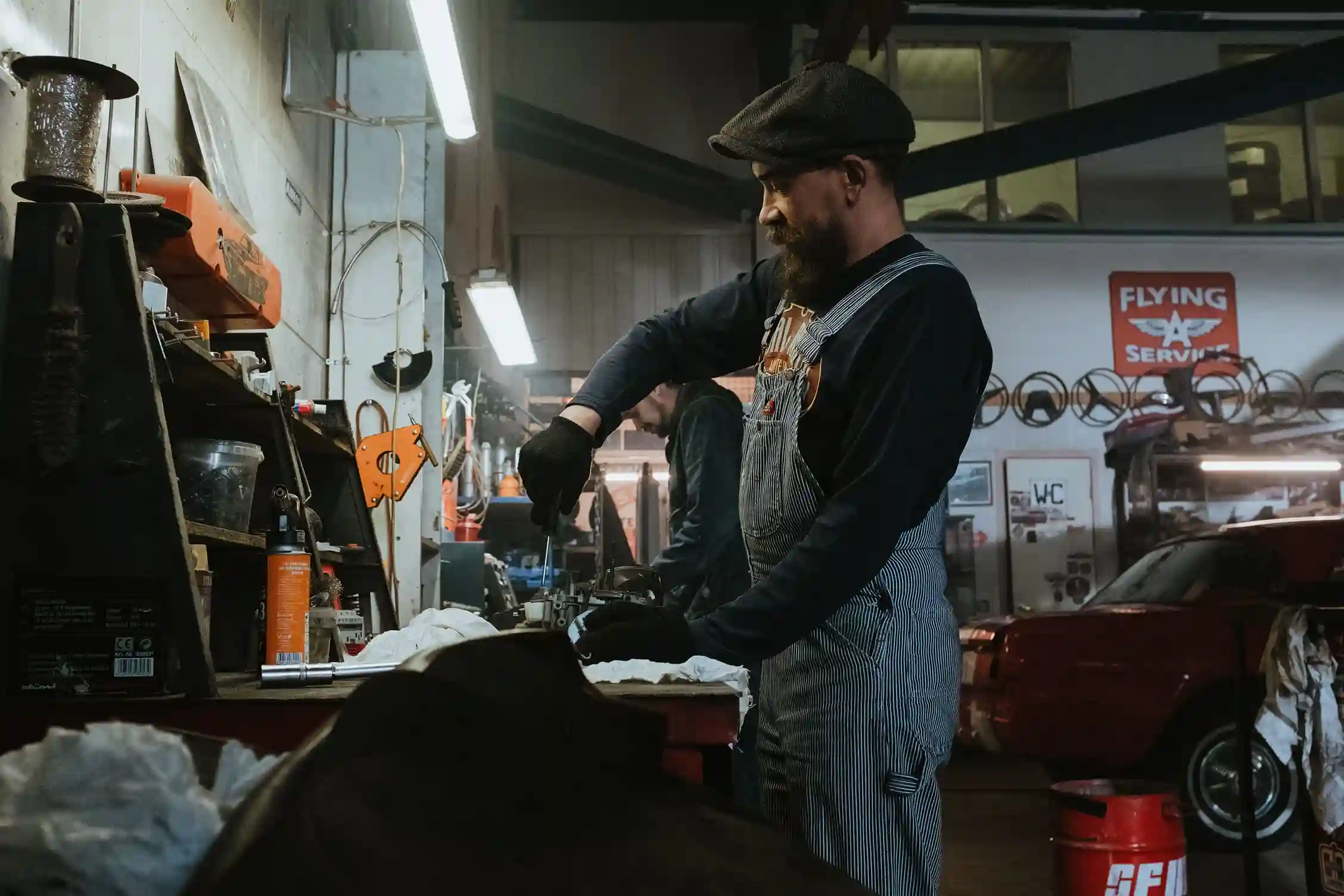
The time needed for diagnosis depends on how clearly the fault presents itself.
An obvious external leak may be relatively straightforward to investigate. An intermittent electronic fault or internal transmission problem can take longer because the technician may need to reproduce the symptoms and compare several test results.
A proper diagnosis helps the shop determine whether a repair is practical or whether replacement deserves consideration.
What Happens During a Transmission Repair?
Understanding the workshop process helps explain why a transmission repair cannot always be completed immediately.
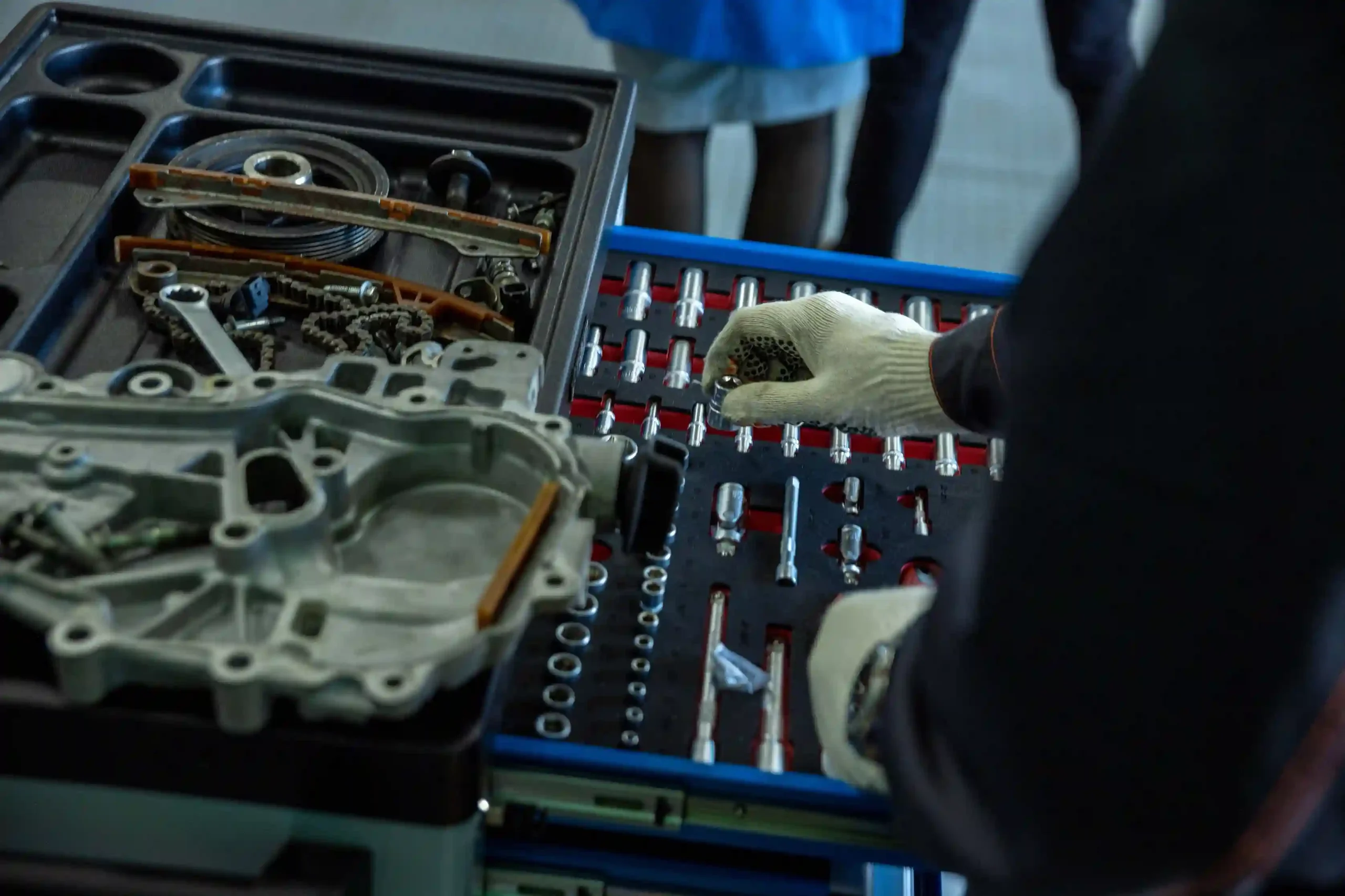
Step 1: Initial Vehicle Assessment
The technician begins by discussing the symptoms with the vehicle owner and inspecting the vehicle.
Important details include when the problem started, whether it occurs during cold or warm operation, whether particular gears are affected, and whether warning lights appear.
Information about recent repairs or fluid services can also help narrow the investigation.
Step 2: Diagnostic Testing
The technician checks the relevant systems and gathers evidence about the fault.
On electronically controlled transmissions, diagnostic equipment may reveal stored codes, sensor readings, communication faults, and other information. These results guide further testing but do not automatically prove that the transmission itself has failed.
Step 3: Repair Planning
After identifying the likely cause, the shop determines which components and procedures are needed.
At this stage, the technician can provide a more meaningful estimate of labor time and explain whether parts need to be ordered.
If the diagnosis reveals that the transmission has extensive internal damage, the repair plan may need to change.
Step 4: Completing the Repair
The repair depends on the confirmed fault. Some jobs involve accessible external components, while others require removing substantial parts of the transmission assembly.
Additional damage or unexpected complications may affect the original estimate.
Step 5: Final Testing
After the repair, the technician checks that the affected system operates as expected.
Testing may include checking fluid levels, inspecting for leaks, reviewing fault codes, and evaluating shift behavior under suitable conditions.
A vehicle should not be considered ready simply because the replacement part has been installed. Verification is an important part of the process.
What Can Delay Transmission Repair or Replacement?
Several factors can extend the time between dropping off a vehicle and collecting it.
1. Parts Availability
Parts availability is one of the most common reasons a repair takes longer than expected.
A shop may need to obtain a sensor, solenoid, valve body, gasket set, transmission assembly, or other related component. If the part is not locally available, shipping can add days to the schedule.
Some European vehicles use transmission variants that differ according to engine, model year, drivetrain, or production specifications. Confirming compatibility before ordering is important.
2. Hidden Damage
A fault may appear relatively minor at first, but further inspection can reveal additional damage.
For example, a transmission that slips under load may have a problem that requires more investigation than an external sensor replacement. Internal wear, contaminated fluid, or damaged components can change the scope of work.
When the original estimate needs to change, the shop should explain the findings and obtain approval for additional work.
3. Vehicle Design
Some vehicles provide relatively straightforward access to the transmission. Others require removal of additional components before the transmission can be safely extracted.
Engine layout, drivetrain configuration, underbody packaging, and transmission mounting arrangements all affect labor time.
This is particularly relevant to vehicles with complex powertrain designs or specialized transmission systems.
4. Specialist Equipment and Procedures
Certain transmissions require manufacturer-specific procedures, specialized tools, software, or adaptation processes.
Depending on the vehicle, the technician may need to complete electronic configuration, calibration, or other prescribed steps after installation.
If the necessary equipment or technical information is not immediately available, the job may take longer.
5. Workshop Scheduling
A repair’s total turnaround time also depends on the shop’s existing workload.
Even when a repair requires a limited amount of labor, the vehicle may need to wait for an available technician, a suitable lift, parts delivery, or a scheduled road test.
Ask whether the quoted timeframe represents labor hours or the estimated number of calendar days before the vehicle will be ready.
6. Additional Repairs
During transmission work, a technician may discover worn mounts, damaged seals, leaking connections, or other problems that need attention.
These findings do not automatically mean every related component must be replaced. The shop should explain which items are necessary, which are optional, and how each affects the timeline.
How Long Does Transmission Replacement Take on European Cars?
European vehicles can require specific parts, diagnostic capabilities, and installation procedures. The actual time depends on the vehicle and transmission rather than the badge alone.
BMW Transmission Replacement Time
BMW models use different transmission configurations across their vehicle range. Access, drivetrain layout, and the exact transmission type can affect removal and installation time.
Some replacements may require electronic procedures or adaptations after installation. The technician must also verify that the replacement unit matches the vehicle’s specifications.
Before approving the job, ask whether the estimate includes removal, installation, the required fluid, related components, programming when applicable, and final testing.
Mercedes-Benz Transmission Replacement Time
Mercedes-Benz vehicles can use different automatic transmission designs depending on the model and production year.
A replacement may involve removing related components, checking associated systems, installing the correct unit, and completing the required post-installation procedures.
If the fault originates from an external electrical component rather than internal transmission damage, a complete replacement might not be necessary.
Accurate diagnosis is especially important before committing to extensive work.
Audi Transmission Replacement Time
Audi transmission layouts vary across models and drivetrain configurations. Some repairs may require additional access work, while others involve electronic setup or model-specific procedures.
The technician should verify the transmission code and compatibility before ordering a replacement unit.
The final estimate should account for the vehicle’s actual configuration instead of relying on a general timeframe for all Audi models.
Volkswagen Transmission Replacement Time
Volkswagen vehicles also use multiple transmission types, and repair requirements differ between models.
A technician needs to identify the installed transmission and determine whether the fault can be corrected with a component repair or requires replacement.
Depending on the model and repair, installation may also require fluid specification checks, adjustment procedures, electronic adaptation, or other verification.
For BMW, Mercedes-Benz, Audi, and Volkswagen vehicles, the most reliable estimate comes from a shop familiar with the specific model and its transmission system.
Is Transmission Rebuilding Faster Than Replacement?
Not necessarily.
A transmission rebuild generally involves removing the unit, disassembling it, inspecting internal components, replacing worn or damaged parts, reassembling it, and testing its operation.
This can be a time-consuming process because the technician must identify the extent of the damage and determine which components can be reused.
Replacement may take less workshop time if a compatible unit is available and the installation is straightforward. However, sourcing the correct transmission can delay the job.
Rebuilding may be a suitable option when the transmission casing and other major components remain serviceable and the damage can be repaired reliably.
The decision should consider the transmission’s condition, parts availability, expected reliability, warranty coverage, and total repair plan not just which option appears faster.
Can a Transmission Be Repaired in One Day?
Yes, some transmission-related repairs can be completed in one day, but this depends on the fault and the vehicle.
A relatively straightforward external repair may require only a few hours of labor. If the correct part is available and diagnosis is simple, same-day completion may be possible.
However, a complete transmission replacement, internal rebuild, or complicated intermittent fault is less likely to fit into a short appointment.
A shop also needs time for testing and quality checks. Rushing the final inspection just to return the vehicle sooner is not a good trade-off.
When booking the repair, describe the symptoms accurately and ask the shop whether same-day completion is realistic for your specific vehicle.
How Can You Reduce Transmission Repair Delays?
Vehicle owners cannot control every part of a repair schedule, but a few practical steps can help.
Provide accurate symptom information. Explain when the problem occurs, whether the vehicle slips or shifts harshly, and whether any warning messages appear.
Share the vehicle details. Provide the model year, engine information, and other details requested by the repair shop. These help the technician identify the correct transmission and parts.
Approve diagnosis before requesting a final repair estimate. An accurate estimate is difficult without understanding the underlying fault.
Ask about parts availability. Confirm whether the required parts are in stock or need to be ordered.
Discuss the complete repair scope. Ask whether the quote includes fluid, seals, programming or adaptation when needed, and final testing.
Respond promptly to approval requests. If additional work is discovered, timely communication can prevent avoidable scheduling delays.
Ask for updates. A clear update about diagnosis, parts delivery, and the expected completion date makes it easier to plan transportation.
These steps cannot guarantee a faster repair, but they can help reduce uncertainty and prevent avoidable delays.
Questions to Ask Before Approving Transmission Work
Before agreeing to a repair or replacement, ask the shop a few direct questions.
- What evidence confirms the transmission fault?
- Is a component repair possible, or is replacement recommended?
- How many labor hours are estimated?
- What is the expected calendar turnaround time?
- Are the required parts available?
- Is the replacement transmission new, remanufactured, or used?
- Are additional components required?
- Will programming or adaptation be necessary?
- What testing will be completed before delivery?
- What warranty applies to the repair and supplied parts?
The answers should help you understand both the work involved and the expected time without relying on a broad estimate that may not fit your vehicle.
Why Professional Transmission Service Matters
Transmission systems combine mechanical components, hydraulic operation, and electronic controls. A problem that produces similar symptoms to another fault may require a completely different repair.
A qualified technician can assess the vehicle, interpret diagnostic information, perform the appropriate tests, and explain whether repair or replacement is the more practical option.
Jankowski Import Auto focuses on German and European vehicles, including BMW, Mercedes-Benz, Audi, Volkswagen, MINI, and Porsche. For owners experiencing shifting problems or transmission-related warning messages, a professional assessment can help establish the cause and identify the next step.
You can learn more about the shop’s transmission service and repair when considering professional assistance.
A clear diagnosis and a realistic repair plan help vehicle owners understand why a job may take hours or days, what needs to happen before the vehicle is ready, and which additional steps may be required.
Final Thoughts
Transmission repair or replacement time depends on the type of failure, the vehicle’s design, the availability of parts, and the work needed to restore reliable operation.
Some minor transmission-related repairs may be completed within a few hours. More involved component repairs can take a full working day, while complete replacements and internal rebuilds may require several days of turnaround time.
For European vehicles, transmission design, compatibility, electronic procedures, and access requirements can influence the schedule.
The most useful estimate comes after the shop has inspected the vehicle and identified the fault. Before approving extensive work, ask what has been confirmed, which repair options are available, whether parts are in stock, and what testing will be performed afterward.
Choosing the correct repair based on evidence is more important than selecting an option solely because it appears faster. A properly diagnosed and carefully completed repair can help you avoid unnecessary work and make a more confident decision about your vehicle.
Frequently Asked Questions
How long does transmission repair take?
Minor repairs may take a few hours, while complex repairs can require several working days. The actual time depends on the fault, vehicle design, parts availability, and required testing.
How long does transmission replacement take?
A replacement may take one to several working days once the parts and workshop time are available. Complex installations or parts delays can extend the turnaround.
Can a transmission be replaced in one day?
It is possible on some vehicles, but it depends on accessibility, parts availability, labor requirements, and any necessary programming or adaptation.
Is rebuilding a transmission faster than replacing it?
Not always. Rebuilding involves disassembly, inspection, component replacement, and reassembly. A replacement may require less workshop labor if a compatible unit is readily available.
Why is my transmission repair taking so long?
Possible reasons include delayed parts, difficult diagnosis, hidden damage, workshop scheduling, or additional work discovered during inspection. Ask the shop for an update on the specific delay.
Does transmission diagnosis take a long time?
An initial diagnostic assessment may take one to three hours, but intermittent faults or suspected internal damage can require additional testing.
Do European cars take longer to repair?
Some European models require specialized parts, equipment, or installation procedures. However, the timeframe depends on the specific vehicle and fault rather than the brand alone.
Will I need programming after transmission replacement?
Some vehicles require electronic programming, coding, adaptation, or related procedures after replacement. Requirements vary by model and transmission type.
Can I drive while waiting for transmission repair?
That depends on the symptoms and the vehicle’s condition. Severe slipping, loss of drive, significant fluid leaks, or serious warning messages may make continued driving unsafe. Have the vehicle assessed and arrange towing if necessary.
How can I get an accurate transmission repair timeframe?
Provide the shop with your vehicle details and symptoms, allow the technician to diagnose the problem, and ask for both estimated labor hours and expected calendar turnaround time.