
Mercedes-Benz vehicles are known for their refined ride quality, precise handling, and advanced suspension technology. Whether you drive a C-Class, E-Class, S-Class, GLE, GLS, or another Mercedes-Benz model, the suspension system plays an important role in keeping your vehicle comfortable, stable, and safe.

Common Mercedes-Benz Suspension Problems can affect your vehicle’s ride comfort, handling, and safety, making it important to recognize early warning signs and get the suspension inspected when issues appear.
However, common suspension components naturally wear over time. Depending on the Mercedes-Benz model and suspension setup, problems can involve shocks, struts, control arms, ball joints, bushings, springs, ride-height sensors, or the AIRMATIC air suspension system.
Recognizing the early warning signs can help prevent a small suspension issue from becoming a more expensive repair.
What Does the Mercedes-Benz Suspension System Do?
The suspension system has several important jobs. It supports the vehicle’s weight, helps absorb bumps and road imperfections, keeps the tires in contact with the road, and contributes to stable steering and braking.
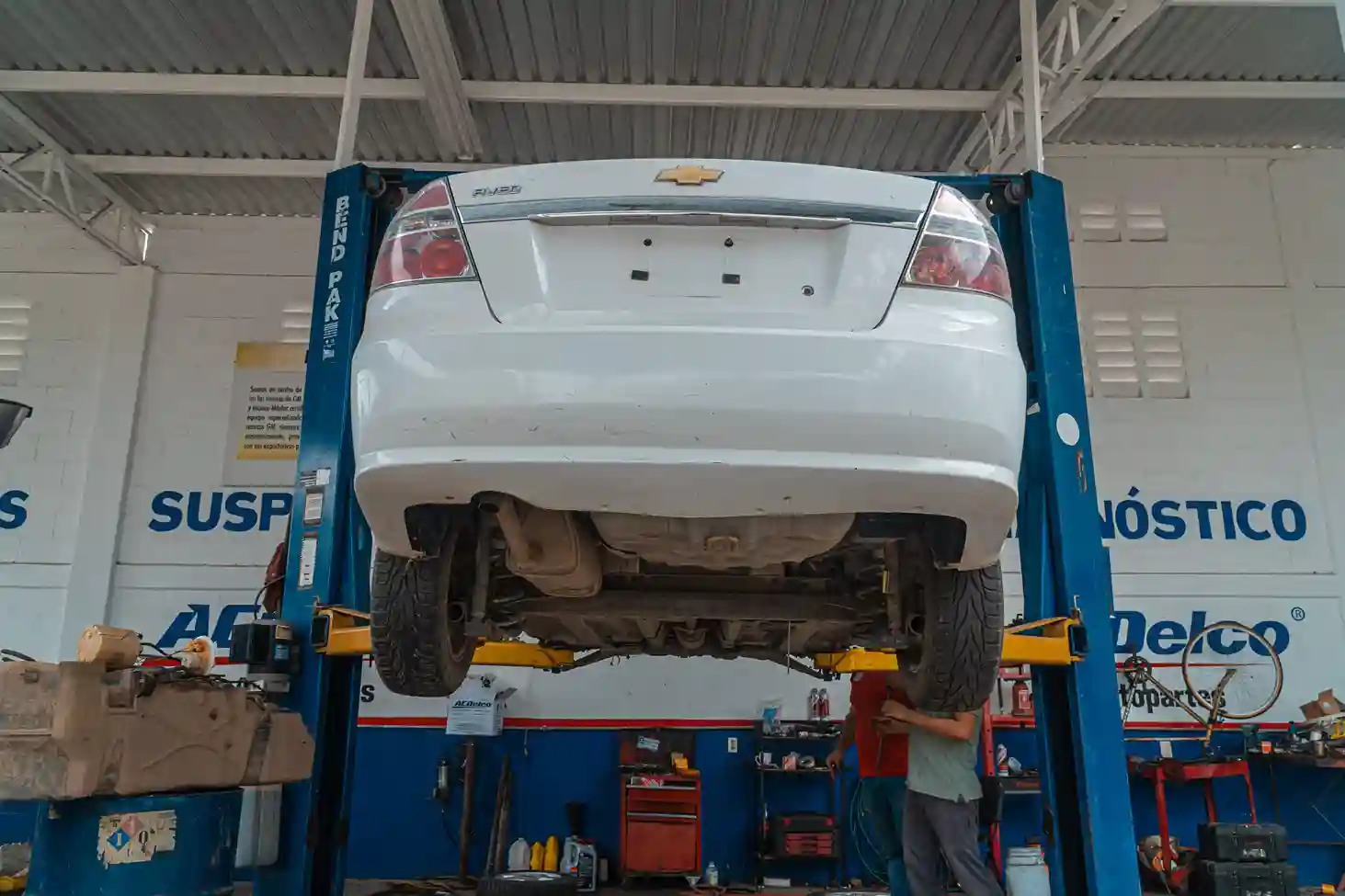
Mercedes-Benz suspension systems can include components such as:
- Shock absorbers and struts
- Coil springs
- Air springs
- Control arms
- Ball joints
- Bushings
- Stabilizer bars and links
- Ride-height sensors
- Air suspension compressors
- Valve blocks and air lines
Mercedes-Benz also offers advanced suspension systems such as AIRMATIC on certain models. AIRMATIC uses compressed air, electronic controls, and related components to adjust ride height and improve ride comfort.
Because these systems contain multiple interconnected components, accurate diagnosis is important before replacing parts.
1. Uneven or Sagging Ride Height
One of the most noticeable Mercedes-Benz suspension problems is when the vehicle sits lower than normal.
You may notice that:
- One corner of the vehicle sits lower than the others
- The rear of the vehicle appears to sag
- The vehicle sits unusually low after being parked overnight
- The ride height changes unexpectedly
- The vehicle does not return to its normal height
On Mercedes-Benz models equipped with AIRMATIC, a sagging corner can indicate an air spring or air strut leak. A leak can allow air pressure to escape while the vehicle is parked, causing the affected corner to drop.
If the vehicle repeatedly loses ride height, it is important to have the suspension inspected rather than continuing to drive and hoping the problem disappears.
2. AIRMATIC Suspension Warning
Some Mercedes-Benz models use AIRMATIC air suspension instead of a conventional spring setup.
When there is a problem, the dashboard may display a suspension-related warning message. You may also notice that the vehicle is sitting too low or takes longer than normal to reach its correct ride height.
Possible causes can include:
- Air spring leaks
- Air strut problems
- Compressor problems
- Ride-height sensor faults
- Valve block issues
- Air line or connection leaks
- Electrical or control-system faults
Mercedes-Benz describes AIRMATIC as a system designed to automatically adjust ride characteristics and ride height based on road conditions, load, and driving conditions.
Because several components can produce similar symptoms, replacing a part without proper diagnosis may not solve the underlying problem.
3. Excessive Bouncing After Hitting a Bump
Your Mercedes-Benz should settle relatively quickly after going over a bump.

If the vehicle continues bouncing or feels unusually soft, the shocks or struts may be worn.
Common symptoms include:
- Excessive bouncing
- Poor control over bumps
- A floating feeling while driving
- Increased body movement
- Reduced stability during turns
Worn dampers can affect ride comfort and vehicle control. Mercedes-Benz also notes that suspension components work together to support the vehicle, reduce body movement, and help maintain stable wheel alignment.
A professional inspection can determine whether the problem is related to shocks, struts, springs, bushings, or another suspension component.
4. Clunking or Knocking Sounds
Hearing a clunk, knock, or rattling sound when driving over bumps is another common suspension warning sign.
The noise may become more noticeable when:
- Driving over potholes
- Going over speed bumps
- Turning at low speeds
- Accelerating or braking
- Driving on uneven roads
Possible sources include worn control-arm bushings, ball joints, stabilizer links, mounts, or other suspension components.
The exact cause cannot always be identified by sound alone. A technician should inspect the suspension and steering components to locate the source of the noise.
5. Steering Wheel Vibration
A Mercedes-Benz that develops steering-wheel vibration may have a suspension, steering, wheel, or tire-related issue.
Depending on when the vibration occurs, possible causes can include:
- Worn suspension components
- Wheel imbalance
- Tire problems
- Alignment issues
- Worn control-arm components
- Steering-related problems
For example, vibration that becomes noticeable at certain speeds may require wheel and tire inspection, while vibration associated with bumps or steering input may point toward suspension or steering components.
That is why proper diagnosis is more useful than simply replacing a suspension part based on symptoms.
6. Vehicle Pulling to One Side
If your Mercedes-Benz consistently pulls to the left or right, the suspension and steering systems should be inspected.
Possible causes include:
- Wheel alignment problems
- Uneven tire pressure
- Tire wear
- Worn suspension components
- Damaged control arms
- Steering component problems
Mercedes-Benz identifies pulling, steering vibration, and uneven tire tread as signs that a vehicle’s suspension or steering system may require inspection.
Ignoring these symptoms can also contribute to uneven tire wear and reduced handling.
7. Uneven Tire Wear
Your tires can provide useful clues about the condition of your suspension.
Look for:
- Inner-edge tire wear
- Outer-edge wear
- Uneven tread wear
- One tire wearing faster than the others
- Irregular or cupped tread patterns
Incorrect wheel alignment can contribute to uneven tire wear, but worn suspension components can also affect how the wheels contact the road.
If you notice unusual tire wear on your Mercedes-Benz, it is worth checking both the tires and the suspension instead of assuming the tires are the only problem.
8. Rough or Uncomfortable Ride
Mercedes-Benz vehicles are designed to provide a controlled and comfortable driving experience.
If your vehicle suddenly feels much harsher than normal, possible causes may include worn shocks or struts, damaged suspension components, incorrect tire pressure, or problems with an air suspension system.
A rough ride does not automatically mean that the entire suspension needs to be replaced. A proper inspection can identify the component responsible for the change in ride quality.
9. Air Suspension Compressor Problems
On AIRMATIC-equipped Mercedes-Benz vehicles, the compressor is responsible for producing the compressed air required by the system.
A failing compressor may show symptoms such as:
- The vehicle takes too long to rise
- The compressor runs for unusually long periods
- The compressor becomes louder than normal
- The vehicle remains low
- A suspension warning appears
An important point is that a compressor can sometimes become overworked because of another problem, such as an air leak. Mercedes-Benz parts information notes that air-spring leaks can prevent the system from maintaining proper pressure and may contribute to compressor problems.
For that reason, a technician should look for the underlying cause rather than automatically replacing the compressor.
10. Faulty Ride-Height Sensors
Mercedes-Benz air suspension systems use ride-height sensors to monitor the vehicle’s position.
If a sensor or its related hardware develops a problem, the suspension control system may receive incorrect information.
Possible symptoms include:
- Incorrect ride height
- Suspension warning messages
- Uneven vehicle height
- Problems with automatic height adjustment
Ride-height sensor faults can sometimes be caused by damaged sensor links or brackets rather than the sensor electronics themselves.
A diagnostic scan and physical inspection can help determine the actual source of the problem.
Why Mercedes-Benz Suspension Problems Should Not Be Ignored
Suspension components do much more than provide a comfortable ride. They help keep the vehicle stable and the tires properly connected to the road.
A suspension problem can affect:
- Steering response
- Braking stability
- Ride comfort
- Tire wear
- Wheel alignment
- Vehicle handling
Mercedes-Benz notes that suspension and steering components work together to support vehicle weight, reduce body roll, maintain wheel alignment, and contribute to dependable handling.
If you notice a major change in ride height, unusual suspension noises, severe vibration, or a suspension warning message, getting the vehicle inspected promptly is a sensible step.
How Are Mercedes-Benz Suspension Problems Diagnosed?
A proper diagnosis usually starts with a visual and physical inspection.
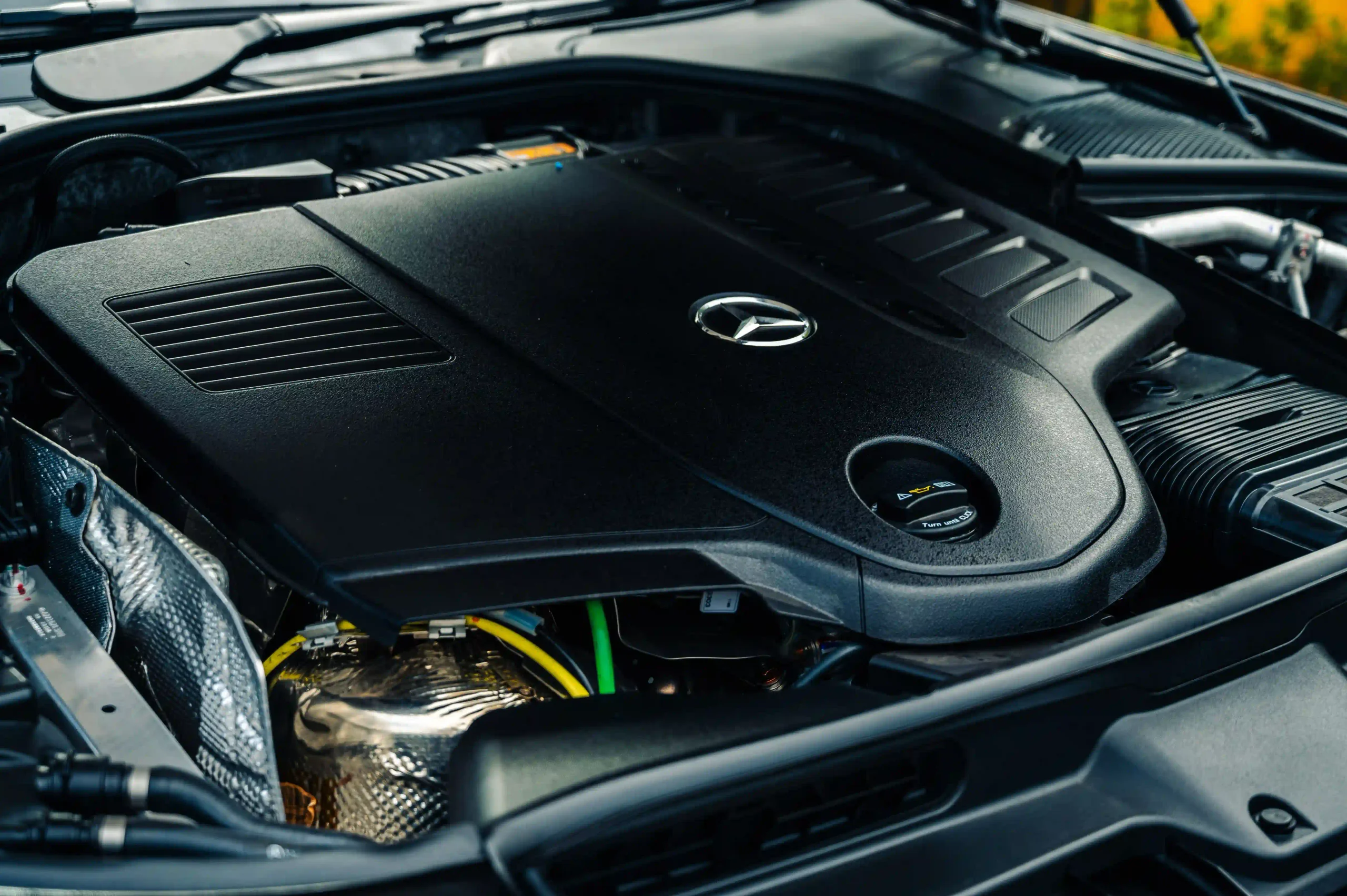
A technician may check:
1. Ride Height
The vehicle’s ride height is compared from side to side and front to rear.
2. Suspension Components
Control arms, bushings, ball joints, links, struts, shocks, and other components are inspected for wear or damage.
3. Air Suspension
For AIRMATIC-equipped vehicles, technicians may inspect air springs, struts, air lines, fittings, the compressor, valve block, and related components.
4. Electronic Diagnostics
Modern Mercedes-Benz vehicles use electronic control systems for many suspension functions. Diagnostic equipment can help identify stored fault codes and system-related issues.
5. Tires and Alignment
Tire condition and wheel alignment should also be checked when symptoms such as pulling, vibration, or uneven tire wear are present.
The goal should be to identify the actual cause of the problem before replacing parts.
How to Prevent Mercedes-Benz Suspension Problems
Suspension components eventually wear, but regular inspections can help identify problems earlier.
Here are a few practical maintenance tips:
Pay attention to changes in ride height.
If one side begins sitting lower than the other, do not ignore it.
Listen for new noises.
Clunks, knocks, squeaks, or unusual compressor sounds deserve attention.
Check your tires regularly.
Uneven tread wear can sometimes indicate alignment or suspension problems.
Avoid ignoring warning messages.
A suspension warning should be investigated, especially if the vehicle’s ride height has changed.
Have suspension components inspected during routine service.
A professional inspection can identify worn components before they create additional problems.
Mercedes-Benz recommends regular vehicle service and inspections as part of maintaining vehicle reliability, including inspections of important vehicle systems and components.
When Should You Take Your Mercedes-Benz to a Repair Shop?
You should consider scheduling a professional inspection if you notice:
- Your Mercedes-Benz is sitting lower than normal
- One corner is sagging
- The vehicle bounces excessively
- You hear knocking or clunking sounds
- The steering wheel vibrates
- The vehicle pulls to one side
- Your tires are wearing unevenly
- An AIRMATIC or suspension warning appears
- The compressor runs longer or louder than usual
- The ride suddenly becomes uncomfortable
If you notice excessive bouncing, uneven tire wear, steering vibration, pulling, or clunking noises, professional steering and suspension repair can help identify and correct the problem.
Some suspension problems may develop slowly, while others can become noticeable very quickly. Getting the vehicle checked early can help determine whether the issue requires a simple component replacement, an alignment, air suspension repair, or more extensive suspension work.
When suspension components are worn or damaged beyond repair, a professional suspension replacement service may be necessary to restore proper handling, stability, and ride comfort.
Mercedes-Benz Suspension Repair in Long Beach, CA
If your Mercedes-Benz is experiencing suspension problems, accurate diagnosis is the first step toward the right repair.
At Jankowski Import Auto Inc, our team specializes in German and European vehicle service in Long Beach, CA. Our services include advanced diagnostics, steering and suspension tuning, suspension replacement, general repairs, and maintenance for Mercedes-Benz and other European vehicles. The shop states that it uses advanced diagnostic equipment and OEM-quality parts for its repair and maintenance work.
Whether you are dealing with an AIRMATIC warning, uneven ride height, unusual suspension noise, vibration, or worn suspension components, a professional inspection can help identify the underlying issue.
Final Thoughts
Mercedes-Benz suspension systems are engineered for comfort, stability, and precise handling, but no suspension component lasts forever. Shocks, struts, control arms, bushings, springs, air springs, compressors, and sensors can all develop problems as a vehicle ages and accumulates mileage.
The most important thing is to recognize the warning signs early.
If your Mercedes-Benz starts sitting unevenly, bouncing excessively, making unusual noises, pulling to one side, wearing tires unevenly, or displaying a suspension warning, have the system inspected by a qualified European vehicle repair specialist.
Early diagnosis can help you understand exactly what is wrong and avoid replacing components that are still functioning properly.
Frequently Asked Questions
What are the common air suspension issues with Mercedes-Benz?
Common issues include air leaks, failed air springs, faulty compressors, ride-height sensor problems, and AIRMATIC warning messages. A vehicle may also sag or sit lower than normal.
How much does it cost to fix the suspension on a Mercedes-Benz?
The cost depends on the Mercedes model and the failed component. Repairs can range from a few hundred dollars for smaller components to several thousand dollars for major AIRMATIC repairs.
Is there a class action lawsuit against Mercedes-Benz?
There have been lawsuits involving specific Mercedes-Benz models and suspension-related issues. Eligibility depends on the vehicle model, year, VIN, and specific issue.
What are some common suspension problems?
Common problems include worn shocks, struts, control arms, bushings, ball joints, springs, air springs, compressors, and ride-height sensors. Symptoms may include noise, vibration, uneven ride height, and poor handling.
What are the common air suspension issues with Mercedes-Benz?
Common issues include air leaks, failed air springs, faulty compressors, ride-height sensor problems, and AIRMATIC warning messages.
How much does it cost to fix the suspension on a Mercedes-Benz?
The cost depends on the model and the damaged component. Minor repairs may cost a few hundred dollars, while major AIRMATIC repairs can cost several thousand dollars.
Is there a class action lawsuit against Mercedes-Benz?
There have been lawsuits involving certain Mercedes-Benz models and suspension-related issues. Whether a vehicle is covered depends on its model, year, VIN, and the specific issue.
What are some common suspension problems?
Common Mercedes-Benz suspension problems include worn shocks, struts, control arms, bushings, springs, ball joints, air springs, and compressors.
How do I know if my Mercedes-Benz suspension is bad?
Common warning signs include unusual noises, excessive bouncing, uneven ride height, steering vibration, pulling to one side, and uneven tire wear.
How long does Mercedes-Benz suspension last?
Suspension life varies by model, driving conditions, road quality, and maintenance. Worn components should be inspected when symptoms such as noise, vibration, or poor handling appear.
Can I drive a Mercedes-Benz with a suspension problem?
It depends on the severity of the problem. If the vehicle is severely sagging, unstable, or showing a serious suspension warning, it should be inspected before continued driving.
Why is my Mercedes-Benz sitting low on one side?
A low corner can be caused by an air leak, damaged air spring, faulty air strut, ride-height sensor, or another suspension problem, especially on AIRMATIC-equipped models.
How can I prevent Mercedes-Benz suspension problems?
Regular inspections, proper tire pressure, timely maintenance, and addressing unusual noises or warning messages early can help prevent larger suspension problems.