
Car diagnostic cost can vary depending on the vehicle, the type of problem, the diagnostic equipment required, and the repair shop performing the test. Many drivers search questions such as “how much is a car diagnostic,” “how much is a diagnostic test on a car,” or “how much does a car diagnostic cost?” when a warning light appears or the vehicle starts behaving differently.
A car diagnostic test is an important first step when a vehicle has an electrical, engine, transmission, emissions, or performance problem. Instead of guessing which component has failed, a technician uses diagnostic equipment and professional testing procedures to identify possible faults.

For European vehicles such as BMW, Mercedes-Benz, Audi, Volkswagen, MINI, and Porsche, proper diagnostics can be particularly important because these vehicles may contain advanced electronic systems and manufacturer-specific control modules.
Understanding what a diagnostic test involves can help you understand the price, know what questions to ask, and avoid paying for unnecessary repairs.
What Is a Car Diagnostic Test?
A car diagnostic test is a process used to identify problems within a vehicle’s electronic and mechanical systems. Modern vehicles contain multiple computers and control modules that monitor engine operation, transmission performance, emissions, safety systems, and other vehicle functions.
When a problem occurs, a control module may store a diagnostic trouble code, commonly called a DTC. A technician can connect a diagnostic scanner to the vehicle to retrieve these codes.
However, reading a code is only one part of a professional diagnosis.
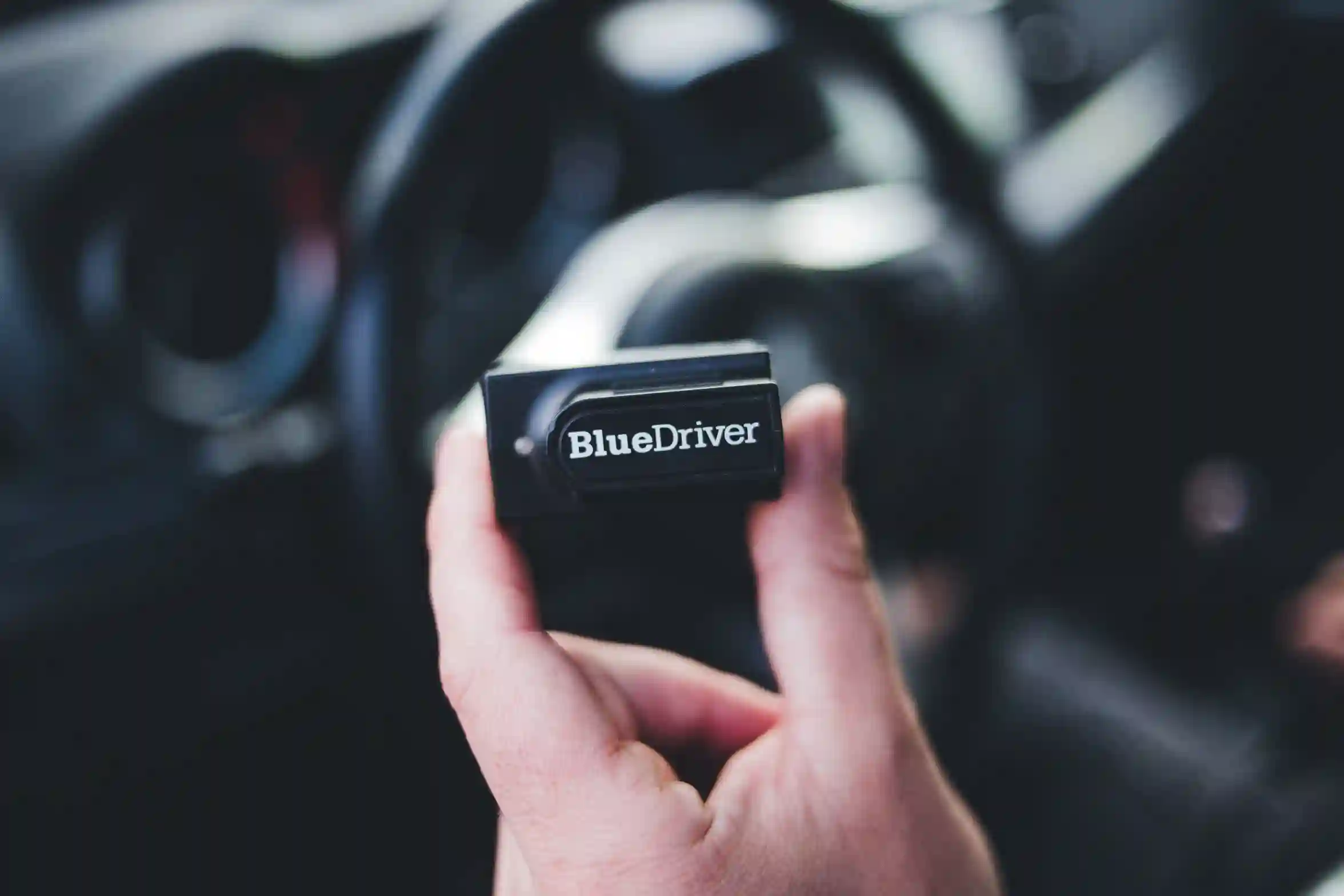
For example, a check engine light could be caused by a sensor, wiring problem, vacuum leak, ignition issue, fuel-system problem, or another condition. The diagnostic code can provide direction, but the technician still needs to perform additional testing to determine the actual cause.
This is why a professional diagnostic service is different from simply plugging in a scanner and reading a code.
How Much Is a Car Diagnostic?
One of the most common questions drivers ask is, how much is a car diagnostic?
The answer depends on the vehicle and the type of diagnostic service required.
A basic diagnostic scan may cost less than a complete diagnostic investigation. A more complicated electrical or drivability problem may require additional testing time, specialized equipment, wiring diagrams, manufacturer information, and hands-on inspection.
The price can also vary depending on the vehicle’s make and model.
A basic scan on a common vehicle may be relatively straightforward. A European vehicle with multiple control modules and manufacturer-specific systems may require more advanced diagnostic equipment and additional technician time.
Because of these differences, there is no single car diagnostic cost that applies to every vehicle.
Before approving diagnostic work, ask the repair shop whether the quoted price covers only the initial scan or includes additional diagnostic testing.
How Much Is a Diagnostic Test on a Car?
If you are wondering how much is a diagnostic test on a car, it is important to understand what type of test you need.
A basic OBD scan may identify stored trouble codes. However, a complete diagnostic test can involve much more.
A technician may need to:
- Connect professional diagnostic equipment
- Scan multiple vehicle control modules
- Retrieve stored and pending fault codes
- Review live data
- Check sensors
- Test electrical circuits
- Inspect wiring and connectors
- Perform component tests
- Compare readings with manufacturer specifications
- Clear codes only after the problem has been addressed
- Perform a road test when necessary
The more complicated the problem, the more time the technician may need.
For that reason, a shop may charge a diagnostic fee based on labor time rather than charging only for the use of a scanner.
How Much Does a Diagnostic Test Cost?
Another common search is how much does a diagnostic test cost?
There is no universal price because diagnostic services are not all the same.
If a warning light is caused by a simple and easily identifiable issue, the diagnostic process may be relatively quick. If the vehicle has an intermittent electrical problem, communication fault, or multiple warning lights, diagnosis may take significantly longer.
The cost can also depend on whether the vehicle requires manufacturer-specific equipment.
European vehicles often have sophisticated electronic systems. A professional technician may need to communicate with multiple modules to determine which system is creating the fault.
The best way to understand the cost is to ask the repair shop what is included in its diagnostic charge.
What Is a Diagnostic Test on a Car Used For?
A diagnostic test can be used for many different vehicle problems.
Check Engine Light
A check engine light is one of the most common reasons drivers request a diagnostic test.
The light may indicate a problem with the engine, emissions system, ignition system, fuel system, sensors, or another component.
A diagnostic scan can retrieve stored codes and help the technician determine where further testing should begin.
Transmission Problems
Diagnostic equipment can also help identify electronic transmission problems.
Symptoms such as harsh shifting, delayed engagement, transmission warning lights, or unusual shifting behavior may require diagnostic testing.
However, a transmission code does not necessarily mean that the transmission itself needs replacement. Further testing is necessary to identify the actual problem.
Electrical Problems
Modern vehicles depend heavily on electrical systems.
Problems with batteries, charging systems, wiring, sensors, modules, communication networks, and electronic components can produce symptoms that are difficult to identify without professional diagnostic equipment.
Electrical diagnostics can sometimes require more time than a basic engine-code scan.
Warning Lights
Multiple warning lights may appear when a vehicle detects a problem.
Depending on the vehicle, these can include:
- Check engine light
- ABS warning light
- Airbag warning light
- Traction control warning light
- Battery warning light
- Tire pressure warning light
- Transmission warning light
A diagnostic scan can help identify which control module has detected the problem.
How Long Does a Diagnostic Test on a Car Take?
Drivers also commonly ask, how long does a diagnostic test on a car take?
The answer depends on the problem.
A basic diagnostic scan can sometimes be completed relatively quickly. However, a complete diagnostic investigation may take considerably longer.
For example, if a check engine light produces one clear fault code, a technician may be able to identify the next testing step quickly.
An intermittent electrical problem can be much more difficult. The technician may need to inspect wiring, test voltage and resistance, monitor live data, and reproduce the problem.
The amount of time required should therefore depend on the complexity of the fault rather than a fixed number of minutes.
When scheduling a diagnostic appointment, ask whether the quoted service covers the initial scan only or includes additional troubleshooting time.
How Long Does a Diagnostic Test Take on a Car?
The question of how long a diagnostic test takes on a car has different answers depending on what the vehicle is experiencing.
A simple code scan may take only a short amount of time. A full diagnostic process may take an hour or more, particularly when the technician needs to perform multiple tests.
Some faults may not occur continuously.
For example, a vehicle may operate normally most of the time but occasionally lose power, hesitate, fail to start, or display a warning light.
Intermittent problems can require more time because the technician may need to reproduce the symptom before identifying the cause.
A professional repair shop should explain when additional diagnostic time is necessary.
Why Reading a Diagnostic Code Is Not the Same as Fixing the Car
A common misunderstanding is that a diagnostic scanner automatically tells the technician which part needs to be replaced.
In reality, diagnostic codes usually identify a system or condition that requires further investigation.
For example, a sensor-related code does not always mean the sensor itself has failed.
The problem could be caused by:
- Damaged wiring
- Poor electrical connection
- Corrosion
- Low voltage
- Vacuum leaks
- Mechanical problems
- Another faulty component
- Communication problems between control modules
Replacing a part based only on a diagnostic code can result in unnecessary repairs.
A proper diagnosis combines scan data with physical inspection, testing, vehicle symptoms, and manufacturer information.
Factors That Affect Car Diagnostic Cost
Several factors can influence car diagnostic cost.
Vehicle Make and Model
Different vehicles require different diagnostic equipment and procedures.
European vehicles can have advanced electronic systems that require specialized diagnostic tools.
Type of Problem
A simple warning light may be easier to diagnose than an intermittent electrical problem.
The more systems involved, the more time diagnosis may require.
Diagnostic Equipment
Professional repair facilities may use advanced scan tools that can communicate with multiple control modules.
Some European vehicles require manufacturer-specific or advanced aftermarket diagnostic equipment.
Labor Time
Diagnostic work is often based on technician time.
If the problem requires additional testing, the cost can increase because the technician is spending more time locating the fault.
Vehicle Accessibility
Some components are easier to test than others.
A component that is difficult to access may require additional labor before it can be inspected or tested.
Does a Diagnostic Test Include the Repair?
Usually, a diagnostic test and the repair are separate services.
The diagnostic process identifies the problem. The repair involves correcting the problem.
For example, a technician may diagnose a faulty ignition component. The diagnostic fee covers the process of determining the cause. The replacement component and installation labor may be additional.
Always ask the shop whether the diagnostic fee can be applied toward the repair.
Some repair facilities may offer this type of arrangement, while others may charge diagnostics separately.
Understanding the difference can help you compare estimates accurately.
Why European Cars May Need Specialized Diagnostics
European vehicles often use complex electronic systems.
BMW, Mercedes-Benz, Audi, Volkswagen, MINI, and Porsche vehicles can contain multiple control modules responsible for different functions.
A generic scanner may be able to retrieve some basic information, but advanced diagnosis can require equipment capable of accessing manufacturer-specific data and systems.
This is particularly important when dealing with:
- Engine management
- Transmission systems
- ABS
- Airbag systems
- Electronic suspension
- Climate control
- Body control modules
- Communication networks
- Advanced driver-assistance systems
Using appropriate diagnostic equipment can help technicians gather more useful information and perform a more accurate diagnosis.
Car Diagnostic Cost for BMW
BMW vehicles can require advanced diagnostic procedures because of their sophisticated electronic systems.
A BMW diagnostic test may involve scanning multiple control modules rather than checking only the engine computer.
If the vehicle has a check engine light, warning message, electrical problem, or drivability issue, the technician may need to inspect live data and perform additional testing after retrieving the codes.
BMW owners should therefore avoid assuming that a basic code reader provides the complete diagnosis.
The exact cost depends on the model, system affected, diagnostic equipment, and amount of technician time required.
Car Diagnostic Cost for Mercedes-Benz
Mercedes-Benz vehicles also use multiple electronic control modules.
A diagnostic procedure may involve the engine, transmission, ABS, airbag, body electronics, or other systems.
If several warning lights appear at once, professional diagnosis becomes especially important because one electrical or communication problem can sometimes affect multiple systems.
A technician may need specialized diagnostic equipment and manufacturer-specific information to determine the cause.
As with other vehicles, the final diagnostic cost depends on the complexity of the problem.
Car Diagnostic Cost for Audi
Audi vehicles use advanced electronic and engine-management systems.
Turbocharged engines, electronic control modules, sensors, and communication networks can all contribute to diagnostic complexity.
If an Audi develops a warning light or performance issue, retrieving codes is only the beginning.
The technician may need to compare live data, inspect components, test wiring, and determine whether the fault is electrical, mechanical, or software-related.
A professional Audi diagnostic service can help avoid replacing parts unnecessarily.
Car Diagnostic Cost for Volkswagen
Volkswagen vehicles can also benefit from professional diagnostic testing when warning lights or unusual symptoms appear.
A Volkswagen diagnostic procedure may involve engine management, transmission electronics, ABS, airbag systems, or other modules.
Because the exact diagnostic process depends on the vehicle and problem, Volkswagen owners should ask what type of scan and testing are included in the quoted diagnostic service.
When Should You Get a Car Diagnostic Test?
You do not always need to wait for a major problem before having your vehicle diagnosed.
Consider diagnostic testing when:
- The check engine light comes on
- The vehicle has trouble starting
- The engine runs roughly
- The transmission shifts abnormally
- Multiple warning lights appear
- The vehicle loses power
- Fuel economy suddenly decreases
- Electrical accessories stop working
- The vehicle intermittently stalls
- A warning message appears on the dashboard
If a warning light is flashing, the vehicle is overheating, or the vehicle is behaving dangerously, stop driving when it is safe to do so and seek professional assistance.
Can You Diagnose a Car Yourself?
Basic diagnostic scanners are available to consumers, and some drivers use them to read trouble codes.
However, reading a code does not necessarily identify the failed component.
DIY scanning can be useful for understanding that a fault has been stored, but professional diagnosis may be necessary to determine the root cause.
Professional technicians have access to advanced scan tools, testing equipment, service information, wiring diagrams, and experience interpreting diagnostic data.
For complicated European vehicle problems, professional diagnosis can be especially valuable.
How Much Does It Cost to Service a Car?
The search term how much does it cost to service a car is related to diagnostic costs, but a full vehicle service is different from a diagnostic test.
A routine service may include maintenance items such as:
- Engine oil and filter replacement
- Fluid checks
- Tire inspection
- Brake inspection
- Battery testing
- Filter replacement
- General vehicle inspection
A diagnostic service, on the other hand, is intended to identify a specific fault or investigate a warning light or vehicle symptom.
The final cost of a full service depends on the vehicle, maintenance interval, required parts, labor, and condition of the vehicle.
How Much Is a Car Service?
Drivers searching how much is a car service should first determine what type of service they need.
A basic maintenance service will generally cost less than a major service requiring multiple filters, fluids, inspections, and replacement parts.
Diagnostic testing may also be added when the vehicle has a warning light or drivability issue.
For this reason, it is important to compare estimates based on exactly what is included rather than comparing one total price against another without checking the service details.
How Much Does a Full Car Service Cost?
A full car service can include a more comprehensive inspection and maintenance process than a basic service.
The exact items depend on the vehicle manufacturer’s maintenance schedule.
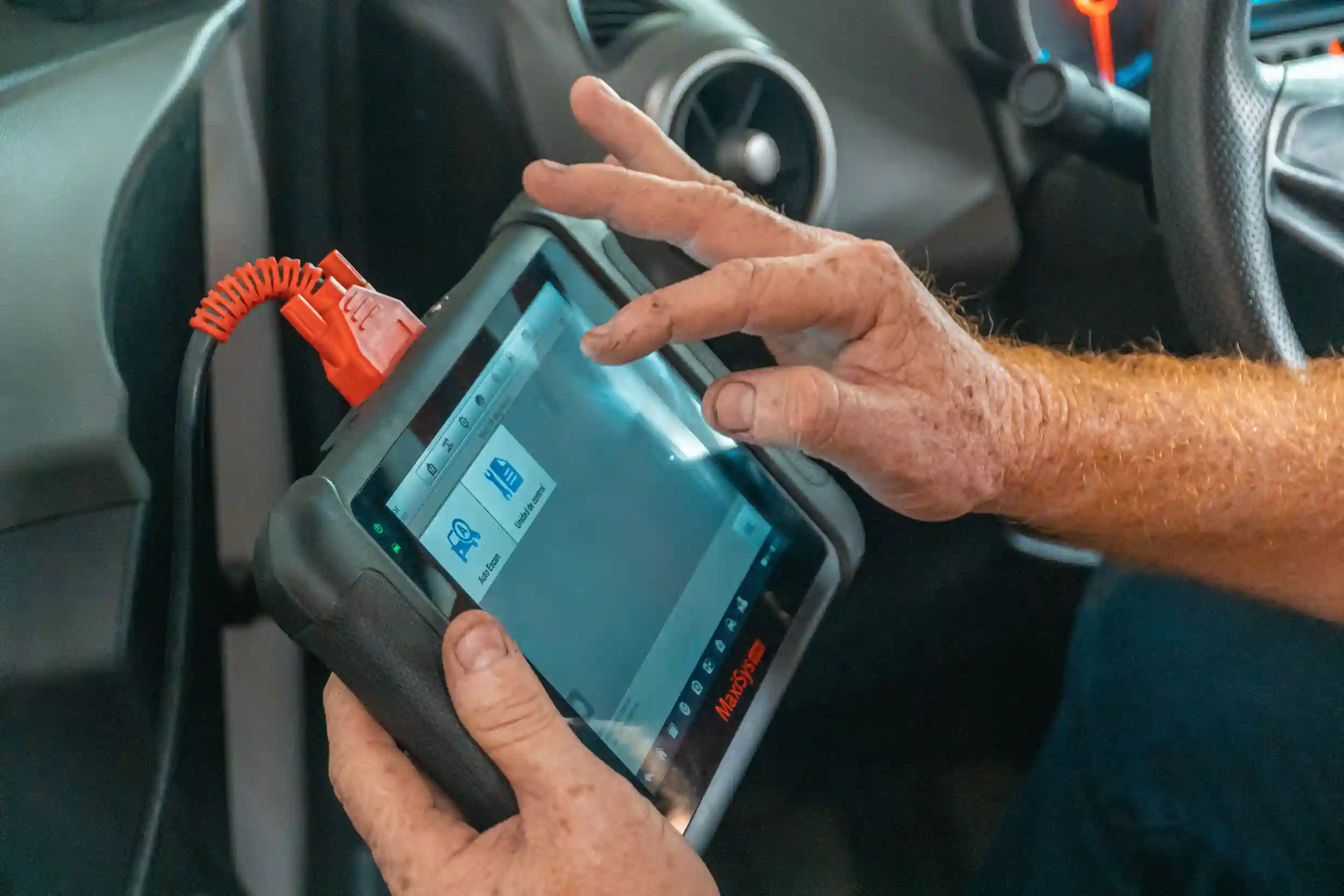
A full service may involve checking or replacing several maintenance components and inspecting important vehicle systems.
If a fault is discovered during the inspection, additional diagnostic or repair work may be recommended.
Ask the repair shop for a written explanation of what the full service includes before approving additional work.
How Much Should a Car Service Cost?
There is no single price that applies to every vehicle.
The cost of servicing depends on:
- Vehicle make and model
- Engine type
- Mileage
- Service interval
- Required fluids
- Replacement parts
- Labor time
- Additional repairs
- Manufacturer requirements
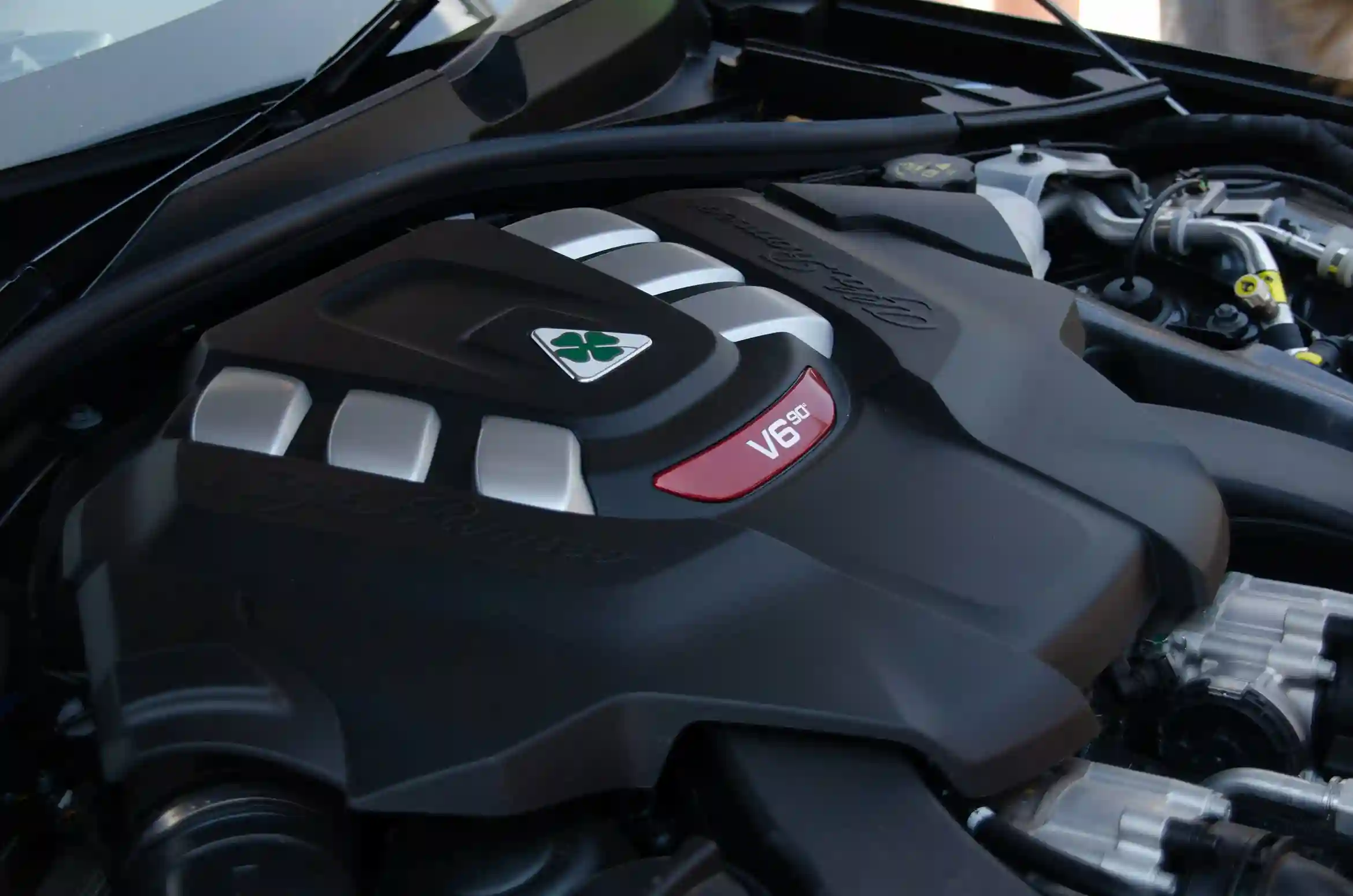
European vehicles may also require specialized fluids, filters, parts, and diagnostic procedures.
Instead of choosing a shop based only on the lowest price, consider whether the shop has experience with your specific vehicle.
Choosing a Professional Diagnostic Service
Choosing the right repair shop is important when your vehicle has an unexplained problem.
Look for a shop that:
- Has experience with your vehicle’s make
- Uses professional diagnostic equipment
- Can explain diagnostic results
- Provides clear estimates
- Distinguishes diagnosis from repair
- Uses quality replacement parts
- Follows manufacturer service requirements
For European vehicles, experience can be particularly important because the vehicle’s systems may require specialized knowledge.
Jankowski Import Auto specializes in German and European vehicles including BMW, Mercedes-Benz, Audi, Volkswagen, MINI, and Porsche. Professional diagnostics can help identify the cause of warning lights, performance concerns, and other vehicle problems before unnecessary parts are replaced.
How to Avoid Unnecessary Diagnostic Costs
You can make the diagnostic process easier by providing the technician with accurate information.
Tell the technician:
- When the problem started
- Whether it happens constantly or intermittently
- Whether the problem occurs when the engine is cold or hot
- What warning lights appear
- Whether the vehicle recently received repairs
- Whether performance changed suddenly
- Whether unusual sounds, smells, or vibrations are present
The more accurate information the technician has, the easier it may be to reproduce the problem and determine where testing should begin.
Do not ignore warning lights simply because the vehicle still drives normally. Some problems can become more expensive if they are left unresolved.
What Questions Should You Ask About Diagnostic Cost?
Before approving a diagnostic service, ask a few simple questions.
Is the diagnostic fee for a basic scan or complete diagnosis?
This helps you understand what you are actually paying for.
How much additional diagnostic time may cost?
Some problems require more testing than others.
Will the diagnostic fee be applied to the repair?
The answer depends on the shop’s policy.
Will I receive an explanation of the diagnostic findings?
A professional shop should be able to explain what was discovered.
Will you contact me before performing additional repairs?
This helps prevent unexpected repair bills.
Why Professional Diagnosis Can Save Money
It may seem cheaper to replace a part based on a diagnostic code, but this approach can lead to unnecessary expenses.
Suppose a vehicle reports a sensor-related fault. Replacing the sensor without testing the wiring may not solve the problem if the actual cause is a damaged wire or electrical connection.
Professional diagnosis focuses on finding the root cause.
The goal is not simply to identify a code. The goal is to understand why the fault occurred.
This approach can reduce unnecessary parts replacement and help ensure that the correct repair is performed.
Final Thoughts
Understanding car diagnostic cost can make it easier to make informed decisions when your vehicle develops a warning light or unusual symptom.
The cost of a diagnostic test depends on the vehicle, problem, equipment, technician time, and complexity of the diagnosis. A basic scan and a complete diagnostic investigation are not necessarily the same service.
Questions such as how much is a car diagnostic, how much is a diagnostic test on a car, how much does a diagnostic test cost, and how long does a diagnostic test on a car take are important, but the answer depends on the specific vehicle and problem.
For BMW, Mercedes-Benz, Audi, Volkswagen, MINI, and Porsche owners, choosing a repair shop with experience in European vehicles can be particularly helpful.
A proper diagnosis can identify the source of a problem before unnecessary parts are replaced. When warning lights or unusual symptoms appear, professional diagnostic testing can provide a clearer path toward the correct repair.
Frequently Asked Questions
How much is a car diagnostic?
Car diagnostic pricing varies depending on the vehicle, diagnostic equipment, problem, and amount of technician time required. A basic scan may cost less than a complete diagnostic investigation.
How much is a diagnostic test on a car?
The cost depends on whether you need a basic code scan or a complete diagnostic service involving additional testing. Ask the repair shop what is included in its diagnostic fee.
How much does a diagnostic test cost?
There is no universal price. Diagnostic costs can vary based on vehicle make, model, system affected, equipment required, and diagnostic labor time.
How much does a car diagnostic cost?
A car diagnostic cost depends on the complexity of the problem. Electrical, intermittent, and manufacturer-specific faults can require more diagnostic time than a simple code scan.
How long does a diagnostic test on a car take?
A basic scan can often be completed quickly, but a complete diagnosis may take much longer if additional testing is required.
How long does a diagnostic test take on a car?
The time depends on the fault. Simple problems may be diagnosed relatively quickly, while intermittent electrical or communication problems can require extensive testing.
What is a car diagnostic test?
A car diagnostic test uses professional equipment and troubleshooting procedures to identify faults in vehicle systems. It can involve scanning control modules, reviewing codes and live data, and performing additional tests.
What is a diagnostic test on a car used for?
A diagnostic test can help investigate check engine lights, transmission problems, electrical faults, warning lights, drivability issues, and other vehicle symptoms.
How much does it cost to service a car?
The cost of servicing a car depends on its make, model, mileage, maintenance requirements, parts, fluids, and labor. A routine service is different from a diagnostic test.
How much is a car service?
The price of a car service depends on whether the vehicle needs basic maintenance, a major service, or additional repairs. European vehicles may have specific maintenance requirements.
How much does a full car service cost?
A full car service can vary considerably depending on the vehicle and required maintenance items. Ask for a detailed estimate showing exactly what is included.
How much should a car service cost?
There is no single price for every car service. Vehicle type, mileage, maintenance schedule, parts, fluids, and labor all affect the final cost.