
Regular vehicle maintenance is one of the most important ways to keep your car safe, reliable, and efficient. An oil change and tire rotation are two routine services that can help protect major vehicle components while improving everyday driving performance. Although they involve different parts of the vehicle, having both services performed regularly can make your maintenance routine more effective.
Engine oil protects the engine by lubricating moving components, reducing friction, controlling heat, and carrying away contaminants. Tires, meanwhile, are responsible for maintaining contact with the road. Their condition affects traction, braking, handling, ride comfort, and safety.

For European vehicles such as BMW, Mercedes-Benz, Audi, Volkswagen, MINI, and Porsche, following the correct maintenance schedule is especially important. These vehicles can have specific oil requirements, tire specifications, rotation patterns, and service intervals. A professional maintenance service can help ensure that these requirements are followed correctly.
What Is an Oil Change?
An oil change is a routine maintenance service designed to replace old engine oil with fresh oil that meets the vehicle manufacturer’s specifications. The oil filter is also normally replaced during the service.
Engine oil gradually becomes contaminated as it circulates through the engine. Heat, combustion byproducts, dirt, and other contaminants can reduce the oil’s ability to protect internal engine components. As oil becomes less effective, friction and wear can increase.
A professional oil change generally includes draining the old oil, replacing the oil filter, installing the appropriate new oil, checking the oil level, and inspecting the vehicle for obvious issues.
The exact oil type and viscosity depend on the vehicle. European vehicles can require specific manufacturer-approved oil specifications, so choosing oil based only on price or general viscosity may not be appropriate.
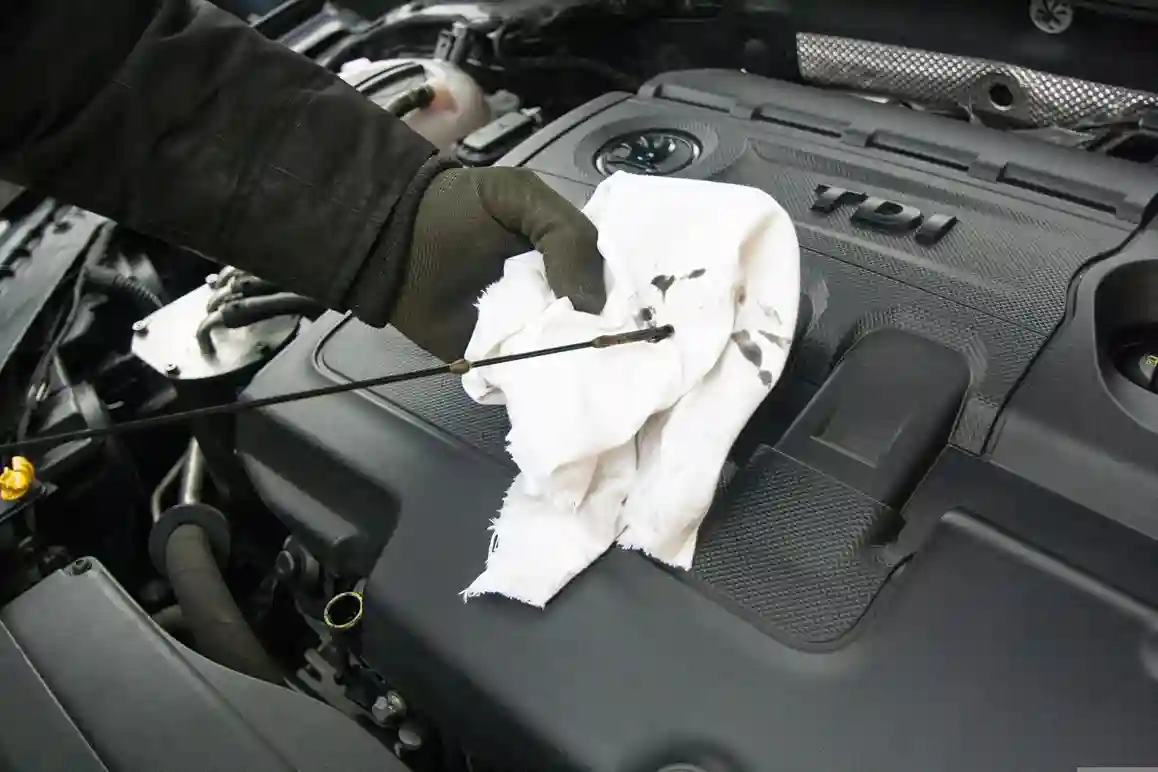
Regular oil changes help maintain smooth engine operation and can reduce the risk of premature engine wear.
What Is Tire Rotation?
Tire rotation involves moving the vehicle’s tires from one position to another according to the manufacturer’s recommended rotation pattern.
Tires do not always wear evenly. Front tires may experience different loads and forces from rear tires, particularly on front-wheel-drive vehicles. Steering, braking, acceleration, road conditions, driving habits, and suspension condition can all affect tire wear.
A regular tire rotation helps distribute tread wear more evenly across the tires.
Professional tire rotation service may include checking tire condition, measuring or visually inspecting tread wear, checking tire pressure, and rotating the tires according to the vehicle’s specifications.
Not every vehicle uses the same rotation pattern. Some vehicles have directional tires, staggered wheel sizes, or different front and rear tire specifications. In these cases, the appropriate rotation method may be limited.
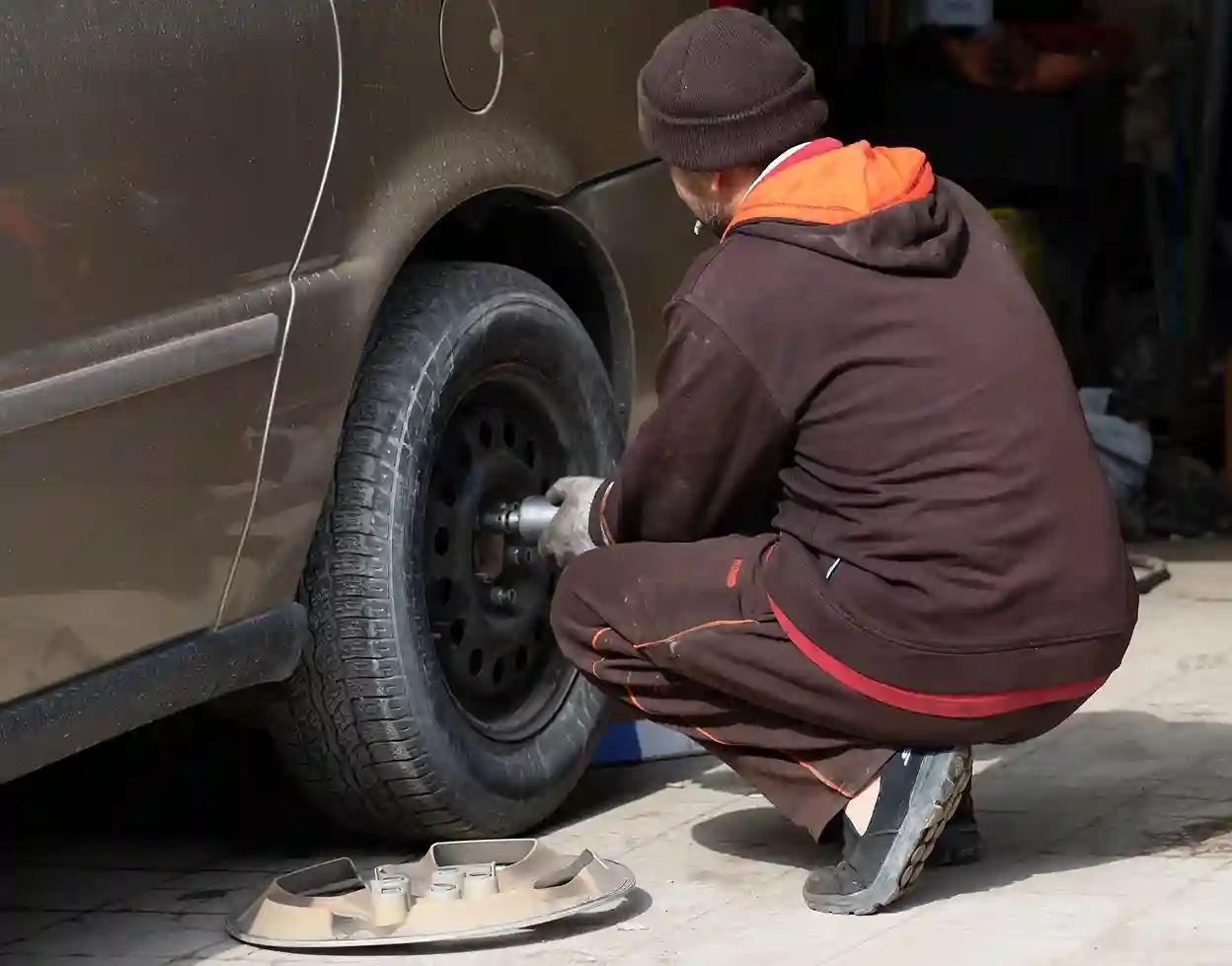
Why Combine an Oil Change and Tire Rotation?
Combining an oil change and tire rotation can make routine maintenance more convenient because two important services can be completed during the same maintenance visit.
The engine and tires perform completely different functions, but both are essential to vehicle reliability and safety.
An oil change focuses primarily on protecting the engine. Tire rotation focuses on maintaining more even tire wear and supporting traction and handling.
When both services are performed as part of a regular maintenance routine, drivers can address two important areas of vehicle care without making separate visits unnecessarily.
For busy drivers, combining scheduled maintenance services can also make it easier to keep track of service intervals.
Benefits of Regular Oil Changes
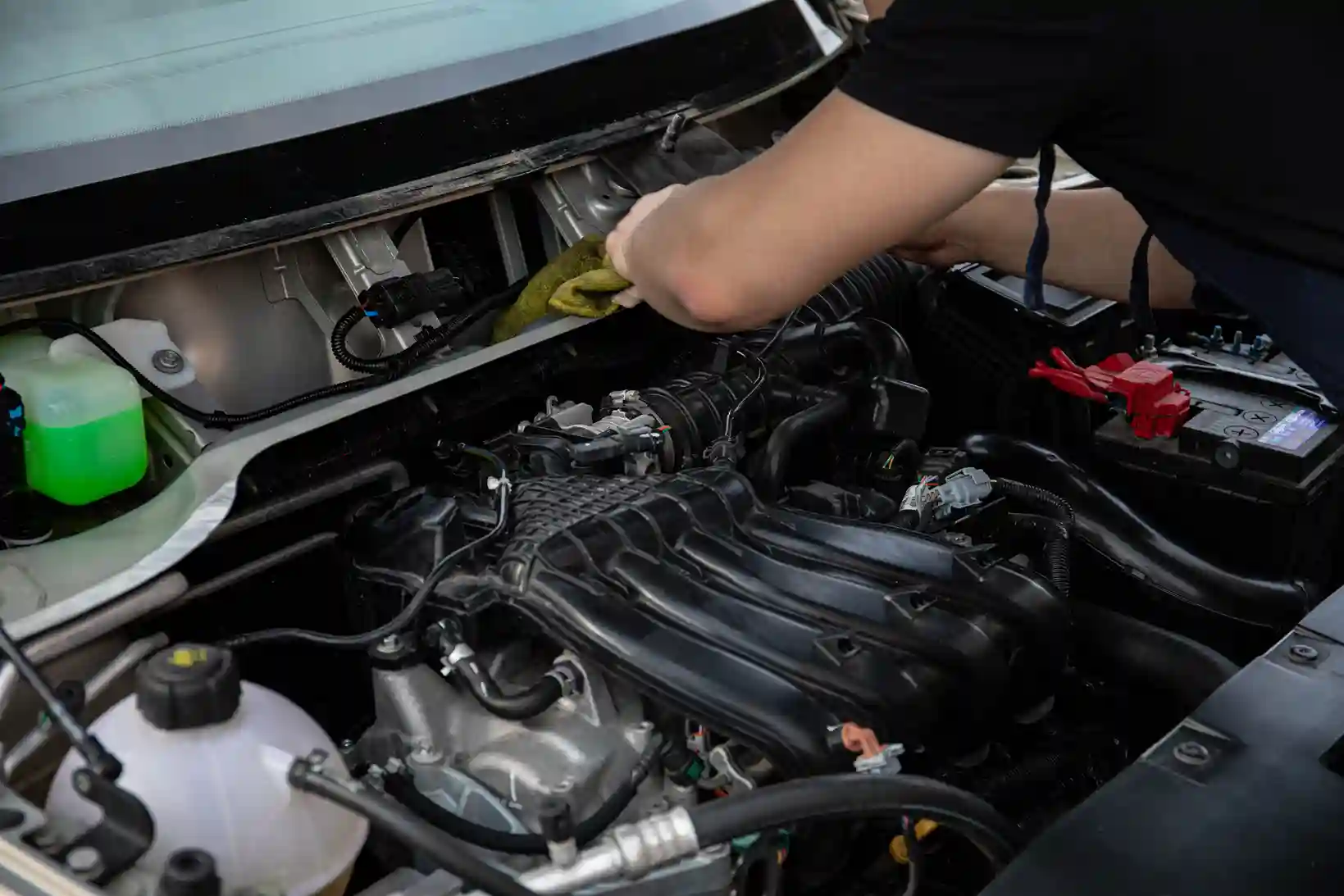
1. Protects Engine Components
Engine oil creates a lubricating layer between moving components. This helps reduce direct metal-to-metal contact and minimizes friction.
As oil becomes contaminated or degraded, its ability to perform these functions can decrease. Regular replacement provides the engine with fresh oil that is designed to meet its lubrication requirements.
2. Helps Control Engine Heat
Engine oil also helps carry heat away from internal engine components.
Although the cooling system performs the primary cooling function, properly maintained engine oil contributes to overall temperature management.
Using the correct oil and maintaining the appropriate oil level are important for proper engine operation.
3. Supports Engine Performance
Old or degraded oil can contribute to poor engine operation and increased friction.
Maintaining the correct oil level and using the proper oil specification can help the engine operate as intended.
This is particularly important for vehicles with turbocharged engines or high-performance European powertrains.
4. Can Help Prevent Expensive Repairs
Regular maintenance does not eliminate every possible engine problem, but it can reduce risks associated with neglected lubrication.
Delaying oil changes for extended periods can allow oil contamination and degradation to continue, potentially contributing to increased engine wear.
A relatively simple maintenance service can therefore help protect components that can be expensive to repair or replace.
Benefits of Regular Tire Rotation
1. Promotes Even Tread Wear
One of the primary purposes of tire rotation is to distribute wear more evenly.
If one axle consistently experiences more wear than another, the tires on that axle may need replacement sooner. Regular rotation can help balance the wear rate when the vehicle and tires allow rotation.
2. Helps Extend Tire Life
Uneven tread wear can shorten the usable life of a tire.
By moving tires according to the correct rotation pattern, drivers can help maximize the useful life of their tire set.
However, rotation cannot correct every type of uneven wear. Alignment problems, worn suspension components, improper inflation, and damaged tires may require additional repairs.
3. Supports Handling and Traction
Tire condition directly affects how a vehicle responds to steering, acceleration, and braking.
Maintaining more consistent tread wear across the tires can help support predictable handling and traction.
This is especially important when driving in wet conditions or during emergency braking.
4. Helps Identify Tire Problems Early
A tire rotation provides an opportunity to inspect the tires.
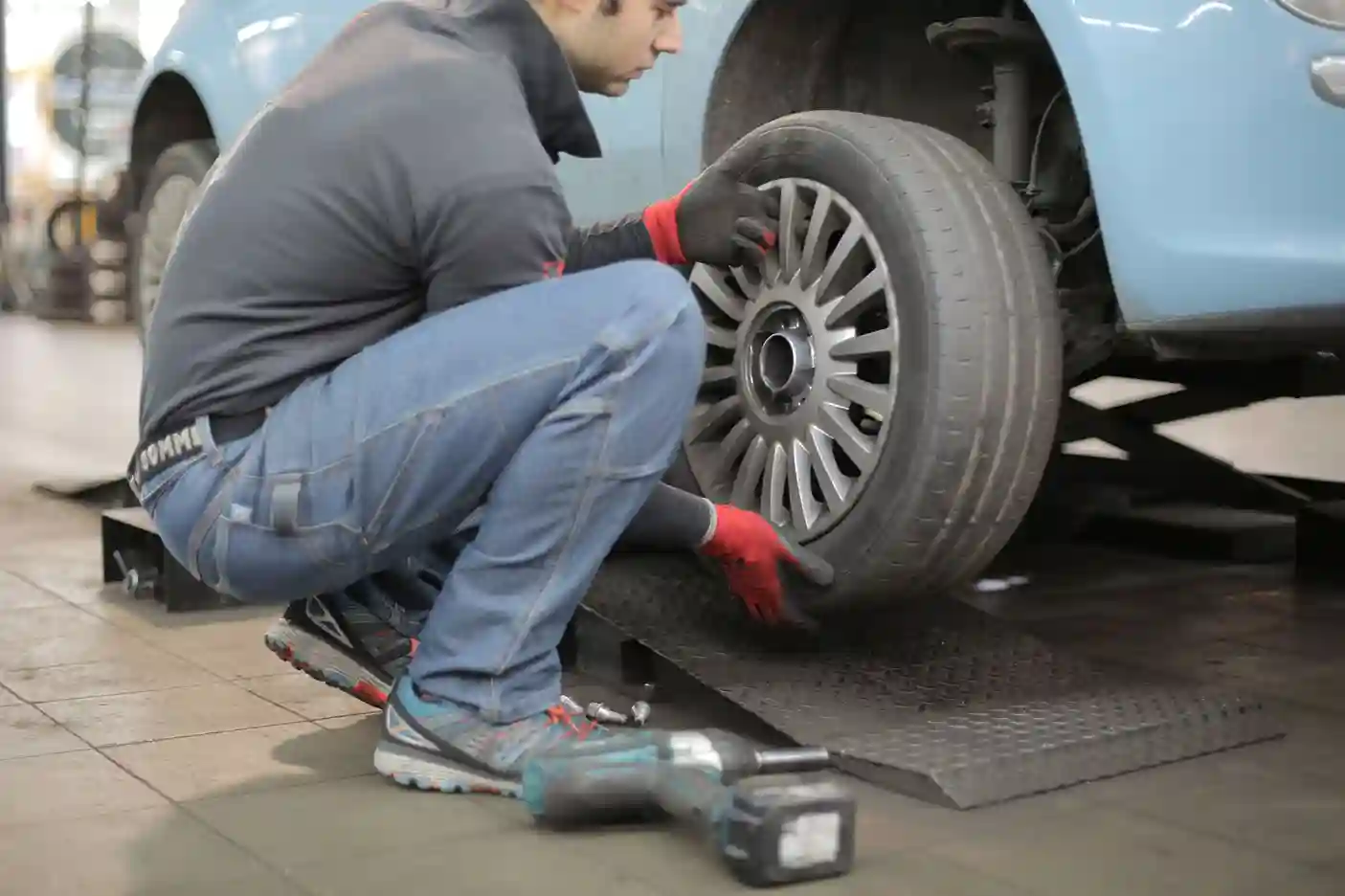
A technician may notice uneven tread wear, low tread depth, cracks, bulges, punctures, or other visible concerns.
Identifying these problems early can give the driver an opportunity to address them before they become more serious.
How Often Should You Get an Oil Change?
Oil change intervals depend on the vehicle, engine, oil specification, driving conditions, and manufacturer recommendations.
Some vehicles may have longer recommended intervals when using specific synthetic oils, while vehicles used for short trips, heavy traffic, extreme temperatures, towing, or other demanding conditions may require different maintenance schedules.
Rather than relying on one universal mileage number, drivers should check their owner’s manual and follow the manufacturer’s recommended maintenance schedule.
European vehicles can have specific oil specifications that are more important than simply choosing a conventional or synthetic product.
If you are unsure which oil your vehicle requires, a qualified European vehicle technician can help identify the correct specification.
How Often Should Tires Be Rotated?
Many vehicles require tire rotation at regular mileage intervals, often around the same time as other scheduled maintenance.
The exact interval can vary depending on the vehicle, tires, drivetrain, driving conditions, and manufacturer’s recommendations.
A common maintenance range is approximately every 5,000 to 8,000 miles, but your owner’s manual should be considered the primary reference for your specific vehicle.
It is also useful to have the tires inspected whenever you notice uneven wear, vibration, pulling, unusual road noise, or changes in handling.
Can Oil Changes and Tire Rotation Be Done at the Same Time?
Yes. Oil changes and tire rotations can often be performed during the same maintenance appointment.
This can be convenient because the vehicle is already being serviced. While the engine oil and filter are being replaced, the tires can be inspected, pressure can be checked, and the appropriate rotation can be performed.
Combining the services may also help drivers maintain a consistent service routine.
However, the services remain separate procedures. An oil change does not automatically mean the tires have been rotated, and a tire rotation does not replace an oil change.
Always confirm which services are included in your maintenance appointment.
What Happens During an Oil Change?
A professional oil change generally follows several basic steps.
First, the technician identifies the vehicle and confirms the appropriate oil specification.
The old engine oil is then drained from the engine. The oil filter is removed and replaced with the correct filter.
Fresh engine oil is added according to the manufacturer’s recommended specification and quantity.
The technician checks the oil level and looks for signs of leaks around the oil filter and drain area.
Depending on the vehicle and service procedure, the oil service reminder may also be reset.
A professional service may also include a visual inspection that can identify other maintenance concerns.
Jankowski Import Auto’s professional oil change service includes draining old engine oil, replacing the oil filter, and refilling the engine with high-quality oil that meets manufacturer specifications.
What Happens During a Tire Rotation?
Tire rotation begins with inspecting the tires and wheels.
The technician checks the condition of the tread and looks for signs of abnormal wear or damage.
Tire pressures can also be checked because correct inflation is important for tire performance and wear.
The tires are then moved according to the appropriate rotation pattern for the vehicle.
The correct pattern depends on factors such as drivetrain configuration, tire design, tire size, and whether the tires are directional or non-directional.
Jankowski Import Auto’s tire rotation service includes a tire inspection, pressure check, and rotation pattern based on the vehicle’s specifications.
Why European Cars Need Proper Maintenance
European vehicles are often engineered with specific maintenance requirements.
BMW, Mercedes-Benz, Audi, Volkswagen, MINI, and Porsche models may use specialized engine oils, tire configurations, electronic maintenance systems, and manufacturer-specific service procedures.
Using the wrong oil specification can be a problem even if the oil appears suitable based on viscosity alone.
Similarly, rotating tires incorrectly on a vehicle with directional tires or staggered wheel sizes may not be appropriate.
This is why European vehicle owners should follow manufacturer recommendations rather than using a generic maintenance routine for every vehicle.
Jankowski Import Auto specializes in German and European vehicles including Mercedes-Benz, BMW, Audi, Volkswagen, MINI, and Porsche and uses advanced diagnostic equipment and OEM-quality parts.
Oil Change and Tire Rotation for BMW
BMW vehicles can benefit from consistent preventive maintenance.
During an oil change, the correct BMW-approved oil specification should be used according to the specific engine and model.
BMW owners should also pay attention to tire wear because performance-oriented models can place additional demands on tires.
If you notice uneven tread wear, steering vibration, or changes in handling, the tires should be inspected rather than simply waiting for the next rotation interval.
Combining routine oil service with tire inspection can help keep both the powertrain and tires properly maintained.
Oil Change and Tire Rotation for Mercedes-Benz
Mercedes-Benz vehicles also have specific maintenance requirements.
The correct engine oil specification should be confirmed for the exact model and engine before an oil change.
Mercedes-Benz vehicles can also use different tire sizes and configurations depending on the model.
Some performance models may have different front and rear tire sizes, which can affect whether a traditional front-to-rear rotation is possible.
For this reason, tire rotation should always follow the vehicle’s specific configuration and manufacturer recommendations.
Oil Change and Tire Rotation for Audi
Audi vehicles require proper attention to engine oil specifications and tire condition.
Many Audi models use turbocharged engines, making proper lubrication especially important.
Tire wear should also be monitored because wheel alignment, suspension condition, tire pressure, and driving habits can influence tread wear.
During routine maintenance, checking both engine oil and tire condition provides a broader picture of vehicle health.
Oil Change and Tire Rotation for Volkswagen
Volkswagen vehicles can also benefit from a consistent preventive maintenance schedule.
Using the correct engine oil specification helps support proper engine lubrication and operation.
Tire rotation can help maintain more even tread wear when the vehicle’s tire configuration allows it.
Volkswagen drivers should check the manufacturer’s recommendations for oil service intervals and tire rotation requirements.
Signs You May Need an Oil Change
Your vehicle may provide several indications that maintenance is due.
Common signs can include:
- Dark or dirty-looking engine oil
- Increased engine noise
- Reduced fuel efficiency
- An oil warning light
- Burning oil smell
- Low oil level
- An overdue maintenance reminder
However, some vehicles may not show obvious symptoms when the oil is due for replacement.
That is why following the recommended service schedule is generally better than waiting for warning signs.
Signs Your Tires Need Attention
Tires may also provide warning signs that they need inspection.
Look for:
- Uneven tread wear
- Low tread depth
- Steering vibration
- Vehicle pulling to one side
- Repeated loss of tire pressure
- Cracks or visible damage
- Bulges in the sidewall
- Unusual tire noise
These symptoms should not automatically be treated as a simple tire-rotation issue.
For example, uneven wear may indicate an alignment problem or worn suspension component. In that situation, rotating the tires without addressing the underlying cause may not solve the problem.
Does Tire Rotation Fix Uneven Tire Wear?
Tire rotation can help prevent or reduce uneven wear by distributing tire positions, but it does not repair an existing mechanical problem.
If a vehicle has incorrect wheel alignment, worn suspension components, improper tire pressure, or another issue, the tires may continue wearing unevenly after rotation.
A technician should inspect the tires and vehicle when abnormal wear is discovered.
This is one reason tire rotation is valuable beyond simply moving tires from one corner of the vehicle to another.
Does an Oil Change Include a Tire Rotation?
Not always.
An oil change and tire rotation are separate maintenance services. Some repair shops may offer them together as part of a maintenance package, while others may charge for each service separately.
If you specifically want both services completed, confirm that both are included in your appointment.
Having the two services performed together can be a convenient way to address engine lubrication and tire wear during one visit.
How Long Does an Oil Change and Tire Rotation Take?
The total time depends on the vehicle and the service requirements.
A straightforward oil change may take approximately 30 to 45 minutes, while a tire rotation can often take around 20 to 45 minutes.
When both services are performed during one visit, the total appointment time may vary depending on technician workload, vehicle configuration, inspections, and any issues discovered during the service.
European vehicles can sometimes require additional checks because of specialized maintenance procedures.
The best approach is to ask the repair shop for an estimated completion time when scheduling the appointment.
What Should You Check After the Service?
After an oil change and tire rotation, pay attention to how your vehicle drives.
Check that the engine runs normally and that there are no oil warning lights.
Look around the vehicle for any obvious signs of fluid leakage.
For the tires, pay attention to steering feel, unusual vibration, pulling, or new road noise.
If something feels different after service, contact the repair shop and have the vehicle inspected.
A professional technician should be able to determine whether the change is related to the maintenance service or another vehicle condition.
Why Preventive Maintenance Saves Money
Preventive maintenance is designed to address vehicle needs before small issues develop into larger problems.
Regular oil changes help protect the engine from lubrication-related wear.
Regular tire rotations help distribute tread wear and can help maximize tire life when the vehicle’s configuration allows rotation.
Inspections performed during routine service can also identify developing problems.
For example, a technician may notice a tire with abnormal wear, a fluid leak, a worn belt, or another visible concern while performing scheduled maintenance.
Addressing a problem earlier can sometimes be less expensive than waiting until it causes a breakdown or damages additional components.
Choosing the Right European Auto Repair Shop
European vehicles deserve maintenance performed according to their specific requirements.
When choosing a repair shop, consider whether the technicians have experience with your vehicle’s make and model.
It is also important to ask whether the shop uses the correct oil specifications, appropriate filters, proper tire rotation procedures, and quality replacement parts.
A professional shop should be willing to explain what service your vehicle needs and why.
Jankowski Import Auto provides European auto repair, maintenance, diagnostics, and performance services in Long Beach, California. The shop works with brands including Mercedes-Benz, BMW, Audi, Volkswagen, MINI, and Porsche.
Final Thoughts
An oil change and tire rotation may seem like simple maintenance services, but both play an important role in keeping your vehicle dependable.
Oil changes help protect the engine by maintaining proper lubrication and replacing contaminated or degraded oil. Tire rotations help distribute tread wear and can support tire life, traction, and handling.
For European vehicles, following the correct manufacturer recommendations is especially important because oil specifications, tire configurations, service intervals, and maintenance procedures can vary between models.
Instead of waiting for problems to appear, keep track of your vehicle’s maintenance schedule and have the engine oil and tires inspected regularly.
When oil changes and tire rotations are performed at the appropriate intervals, they become part of a preventive maintenance strategy designed to keep your vehicle running smoothly and safely for the long term.
Frequently Asked Questions
1. Can I get an oil change and tire rotation at the same time?
Yes. An oil change and tire rotation can often be performed during the same maintenance visit. Combining them can save time and help keep your routine maintenance schedule organized.
2. How often should I rotate my tires?
Many manufacturers recommend tire rotation approximately every 5,000 to 8,000 miles, but the correct interval depends on the vehicle, tires, and driving conditions.
3. How often should I change my oil?
Oil change intervals vary by vehicle, oil type, engine, and driving conditions. Always check your owner’s manual or manufacturer’s recommended maintenance schedule.
4. Does every car need a tire rotation?
Not every tire configuration allows traditional tire rotation. Directional tires, staggered wheel sizes, and certain performance setups can limit rotation options.
5. Does an oil change include tire rotation?
Not automatically. They are separate services unless the repair shop specifically includes both in a maintenance package.
6. Does tire rotation improve gas mileage?
Proper tire maintenance can support efficient vehicle operation, especially when tires are correctly inflated and wearing evenly. However, tire rotation alone should not be expected to create a major fuel-economy change.
7. Can tire rotation fix uneven tire wear?
Rotation can help distribute wear, but it cannot fix the underlying cause of abnormal wear. Alignment problems, suspension issues, improper inflation, or damaged tires may require additional repairs.
8. How long does an oil change take?
A typical oil change can often be completed in about 30 to 45 minutes, depending on the vehicle and service requirements.
9. How long does a tire rotation take?
A tire rotation may take approximately 20 to 45 minutes depending on the vehicle, tire condition, and service requirements.
10. Why is oil change and tire rotation important for European cars?
European vehicles often have specific oil requirements, tire configurations, and maintenance procedures. Following the correct recommendations helps support engine protection, tire performance, safety, and long-term reliability.