
Audi and Volkswagen vehicles are known for their comfortable ride, responsive handling, advanced engineering, and refined driving experience. However, like any vehicle, Audi and VW models can develop suspension problems as they age or accumulate mileage.
The suspension system does much more than simply make a vehicle comfortable. It helps keep the tires in contact with the road, supports the vehicle’s weight, improves handling, and helps maintain stability during braking and cornering.
Audi & VW suspension problems can cause unusual noises, uneven tire wear, poor handling, and a rough ride, making early inspection important for safe and comfortable driving.
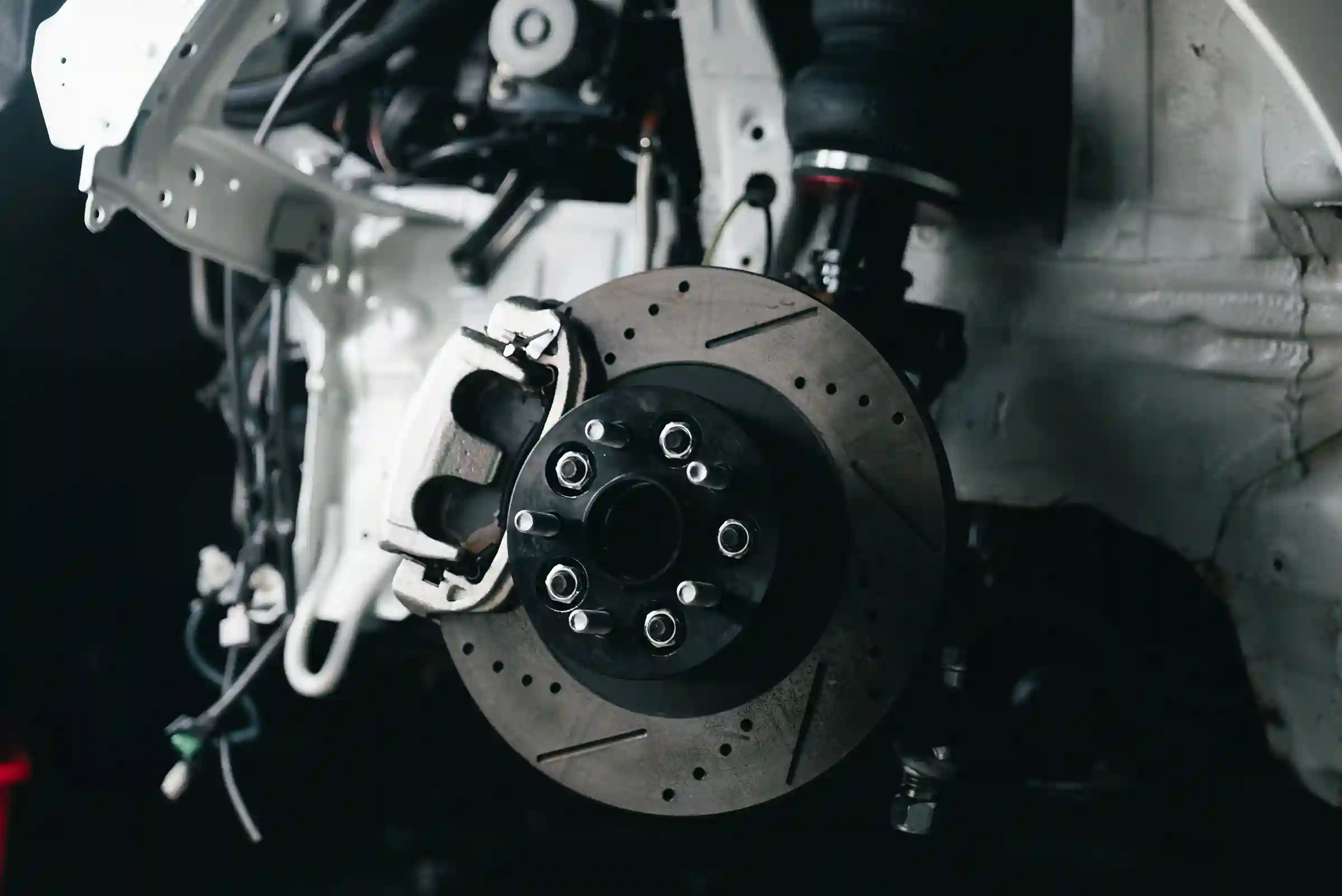
When suspension components begin to wear out, you may notice unusual noises, uneven tire wear, steering problems, a rough ride, or changes in how your vehicle handles.
Some suspension problems are relatively simple to repair, while others can involve multiple components and become more expensive if ignored.
In this guide, we will explain the most common suspension problems in Audi and VW models, the warning signs to watch for, common causes, repair considerations, and ways to help maintain your vehicle’s suspension system.
What Does the Suspension System Do?
Your vehicle’s suspension connects the body of the car to the wheels and helps control how the vehicle moves over different road surfaces.
A typical suspension system can include:
- Shock absorbers
- Struts
- Springs
- Control arms
- Ball joints
- Bushings
- Stabilizer links
- Stabilizer bars
- Wheel bearings
- Steering-related components
Different Audi and Volkswagen models use different suspension designs. Some vehicles use conventional spring and shock absorber systems, while certain Audi models may feature more advanced systems such as adaptive or air suspension.
The exact components and repair procedures therefore depend on the model, year, drivetrain, and suspension configuration Volkswagen Owner’s Manuals
9 Common Suspension Problems in Audi & VW Models
Knowing the warning signs of suspension wear can help you address a problem before it affects other components.
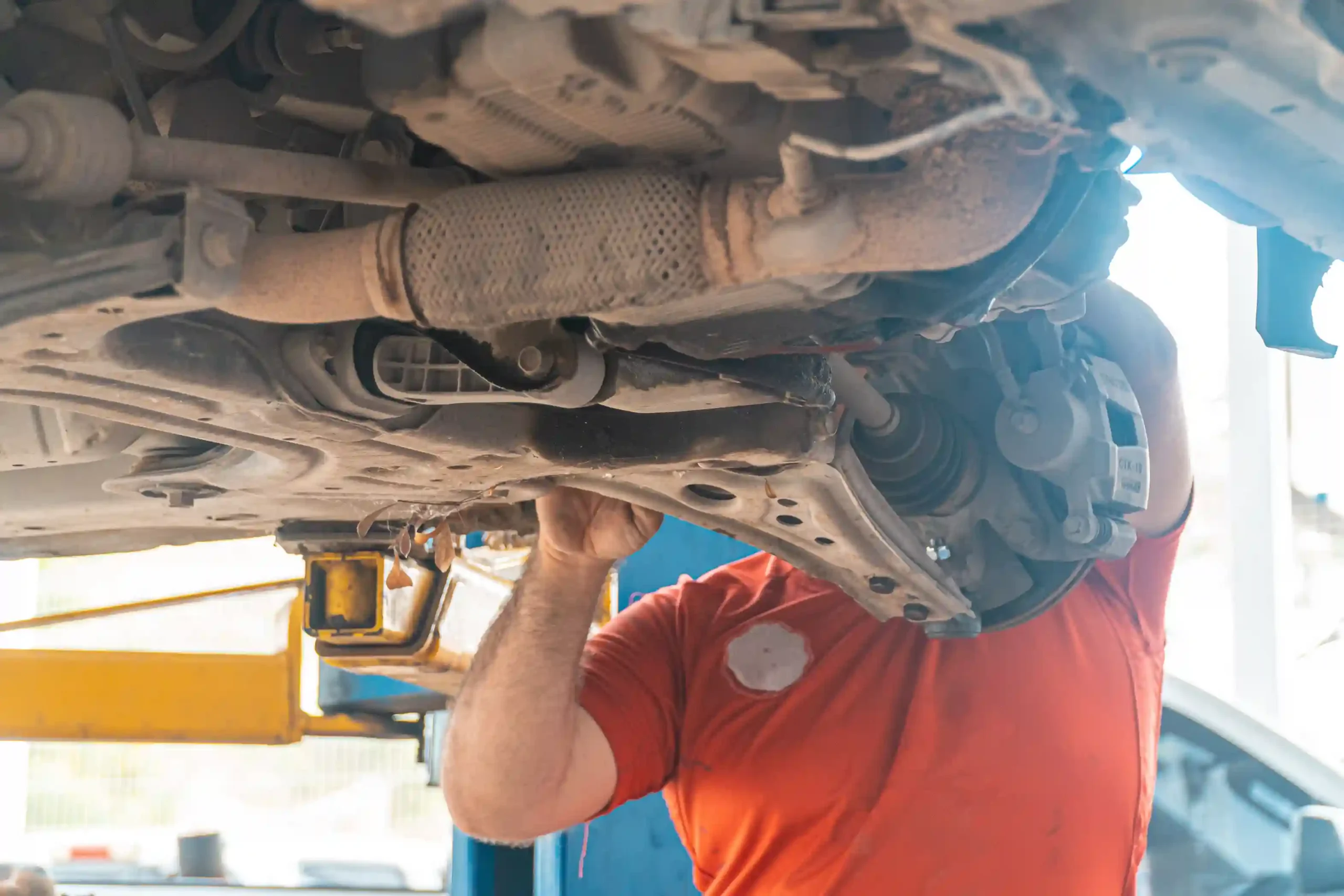
1. Clunking or Knocking Noises
One of the most common suspension warning signs is a clunking, knocking, or rattling noise.
You may hear the noise when:
- Driving over potholes
- Going over speed bumps
- Turning into a driveway
- Driving on uneven roads
- Accelerating or braking
The source can vary. Worn suspension bushings, control arms, stabilizer links, ball joints, or other components may create similar sounds.
A noise does not automatically identify the failed part. A proper inspection is necessary to locate the source.
2. Excessive Bouncing
If your Audi or VW continues bouncing after driving over a bump, the shock absorbers or struts may not be controlling suspension movement effectively.
Healthy shocks and struts help control the movement of the springs.
When they become worn, you may notice:
- Excessive bouncing
- Poor body control
- More movement after bumps
- Reduced stability
- A less comfortable ride
Excessive bouncing can also affect tire contact with the road signs of bad shocks and struts.
3. Uneven Tire Wear
Suspension problems can contribute to uneven tire wear.
If one side or section of a tire wears faster than the rest, possible causes can include:
- Alignment problems
- Worn suspension components
- Damaged control arms
- Worn bushings
- Incorrect tire pressure
- Wheel or steering problems
Uneven tire wear should be investigated rather than simply replacing the tires.
If the underlying suspension or alignment problem remains, new tires may also wear unevenly.
4. Vehicle Pulling to One Side
If your Audi or VW consistently pulls left or right while driving on a reasonably level road, several issues could be responsible.
Possible causes include:
- Wheel alignment
- Tire pressure differences
- Tire condition
- Worn suspension components
- Steering components
- Brake problems
A vehicle pulling to one side should be inspected because the cause may not be limited to the suspension.
5. Steering Feels Loose or Unstable
A healthy suspension and steering system should provide predictable vehicle control.
If your steering feels loose, unstable, or less precise than normal, worn suspension or steering components could be involved.
You might notice:
- Excessive steering movement
- Delayed response
- Vehicle wandering
- Instability during cornering
- A need for frequent steering corrections
These symptoms should be inspected promptly because steering and suspension components are directly related to vehicle control.
6. Rough or Uncomfortable Ride
Audi and Volkswagen vehicles are generally designed to provide a controlled and comfortable driving experience.
If the ride suddenly becomes much harsher, possible causes can include worn or damaged suspension components.
A rough ride can also be caused by:
- Damaged shocks
- Broken springs
- Incorrect tire pressure
- Tire damage
- Suspension bushings
- Wheel problems
It is important to determine whether the change is coming from the suspension or another part of the vehicle.
7. Vehicle Sits Lower on One Side
If one corner of your Audi or VW appears lower than another, there may be a suspension problem.
Possible causes include:
- Broken spring
- Weak spring
- Damaged suspension component
- Air suspension problem
- Ride-height issue
A vehicle that sits unevenly should be inspected rather than driven for an extended period without diagnosis.
8. Nose Diving During Braking
If the front of your vehicle drops significantly when braking, worn shocks or other suspension problems may contribute to the symptom.
Some movement during braking is normal, but excessive body movement may indicate that the suspension is not controlling weight transfer effectively.
Because braking performance can involve multiple systems, the vehicle should be inspected if the behavior becomes noticeable or changes suddenly.
9. Excessive Body Roll During Turns
When cornering, some body movement is normal.
However, excessive leaning can indicate problems with suspension components, stabilizer systems, or shock absorbers.
You may feel that your Audi or VW is less stable when taking corners or changing lanes.
This can be particularly noticeable at higher speeds.
Common Audi Suspension Problems
Audi produces a wide range of vehicles, from compact cars to luxury sedans and SUVs. Suspension designs vary significantly between models.
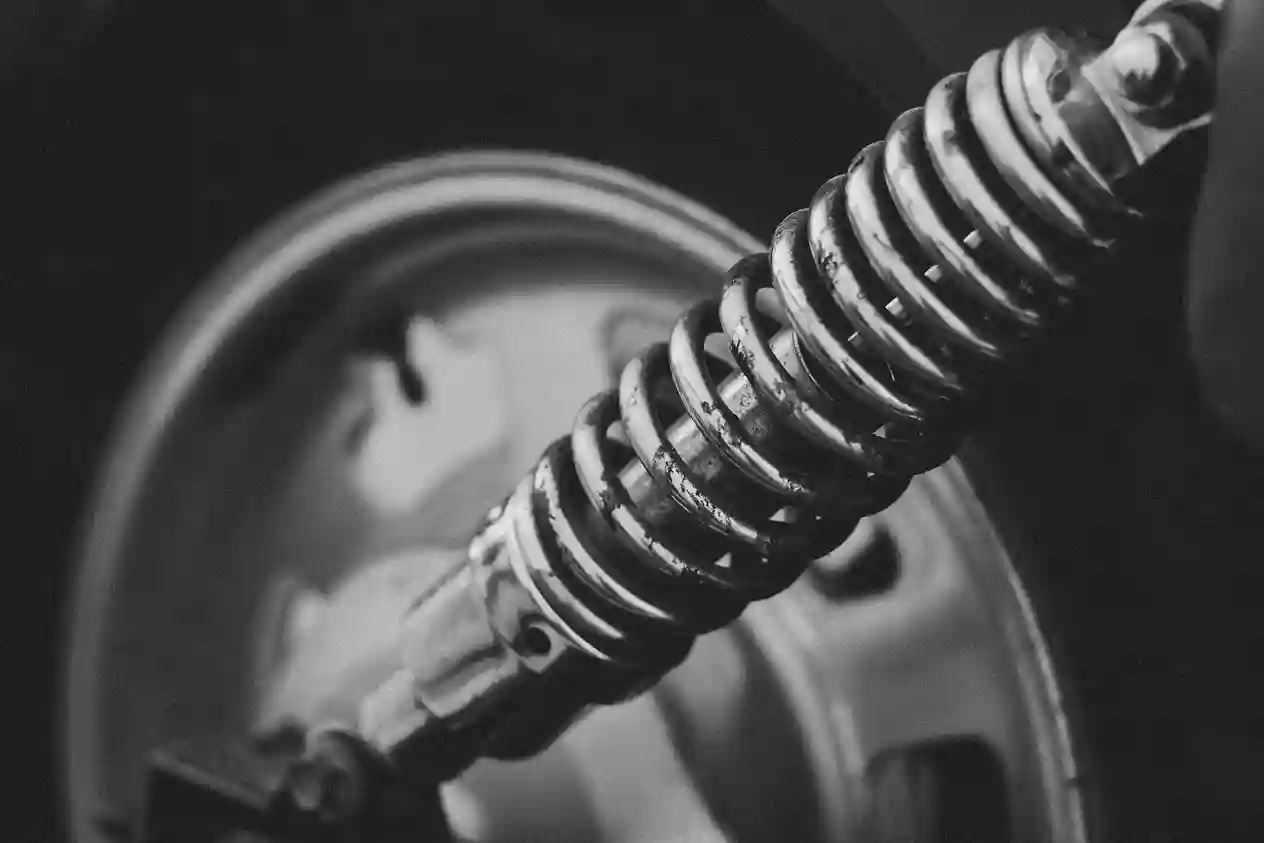
Some Audi vehicles use sophisticated suspension systems that can include adaptive dampers or air suspension.
Control Arm and Bushing Wear
Control arms help connect the suspension to the vehicle chassis. Bushings allow controlled movement while reducing vibration and noise.
As these components wear, you may notice:
- Clunking noises
- Steering changes
- Uneven tire wear
- Vibration
- Reduced handling precision
Replacing a worn bushing or control arm can restore proper suspension movement.
Shock and Strut Wear
Shock absorbers and struts gradually lose effectiveness.
Common symptoms include:
- Excessive bouncing
- Poor body control
- Nose diving
- Uneven tire wear
- Reduced stability
The exact service procedure depends on the Audi model and suspension configuration.
Air Suspension Problems
Some Audi models are equipped with air suspension.
Air suspension systems use components such as:
- Air springs
- Compressors
- Valves
- Height sensors
- Air lines
- Control modules
A problem in any of these areas can affect ride height and comfort.
Symptoms can include the vehicle sitting lower than normal, uneven ride height, compressor operation, warning messages, or changes in ride quality.
Because air suspension systems are more complex than conventional suspension systems, diagnosis should be performed carefully.
Common Volkswagen Suspension Problems
Volkswagen models also use different suspension configurations depending on the model and year.
Worn Bushings
Suspension bushings can deteriorate over time.
A worn bushing may allow more movement than intended and can contribute to noises, vibration, or handling changes.
Stabilizer Link Problems
Stabilizer links connect suspension components to the stabilizer bar.
When these links become worn, you may hear knocking or rattling sounds, particularly when driving over uneven surfaces.
Spring Problems
Suspension springs support the vehicle’s weight and maintain ride height.
A damaged or broken spring can cause:
- Uneven ride height
- Noise
- Poor handling
- Increased suspension movement
A broken spring should be addressed promptly.
Why Audi and VW Suspension Components Wear Out
Suspension components are exposed to constant movement and road impacts.
Several factors can accelerate wear.
Road Conditions
Potholes, rough roads, speed bumps, and road debris can place significant stress on suspension components.
Repeated impacts can damage or accelerate wear in bushings, control arms, wheels, and other parts.
Vehicle Age and Mileage
Suspension components naturally wear over time.
Even when a vehicle is properly maintained, rubber bushings and other components can deteriorate with age.
Driving Style
Aggressive driving, hard cornering, and frequent driving over rough roads can increase suspension stress.
Heavy Loads
Frequently carrying heavy loads or towing beyond the vehicle’s intended limits can place additional stress on suspension components.
How to Diagnose Audi & VW Suspension Problems
Suspension diagnosis should begin with the symptoms.
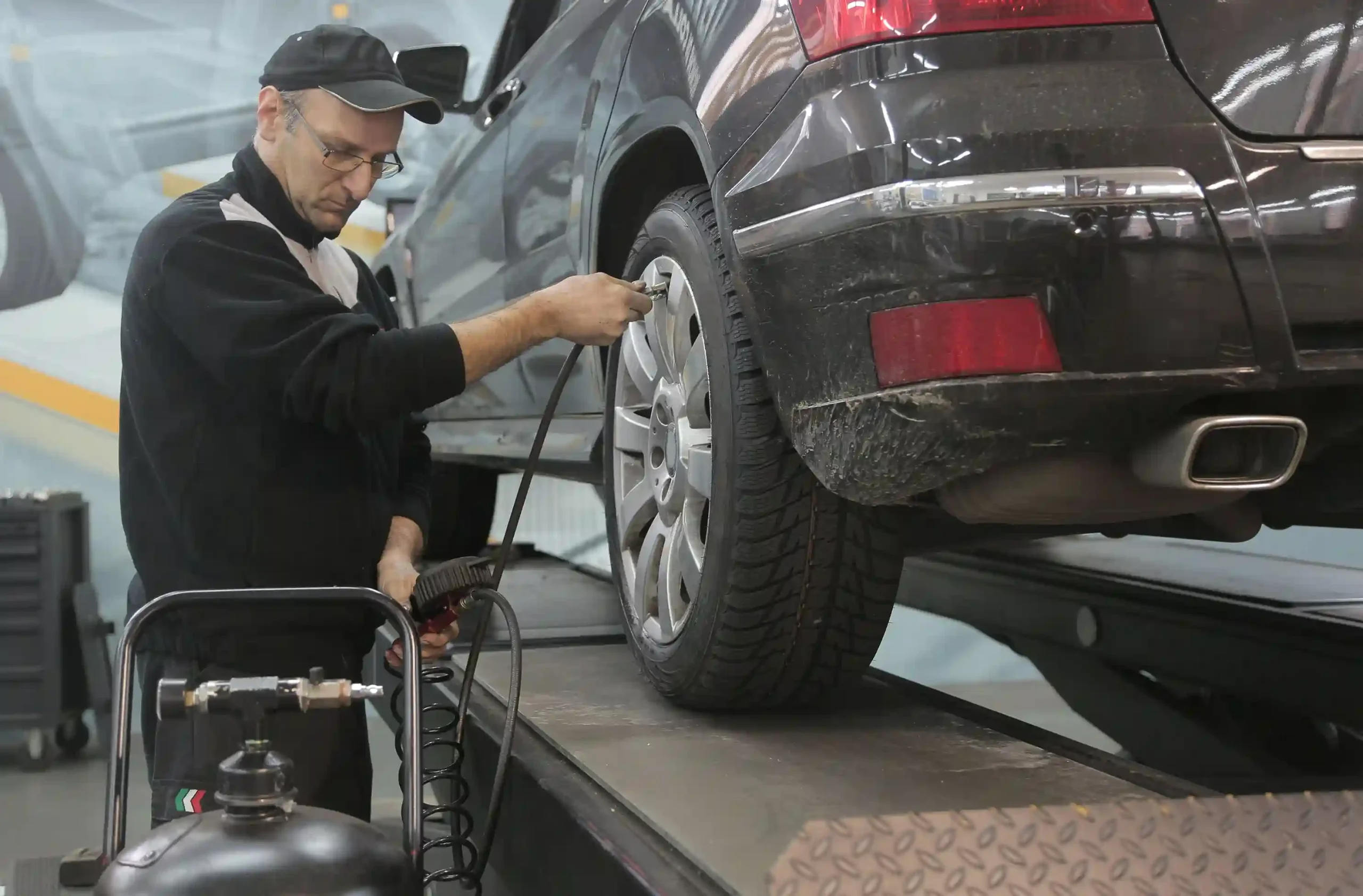
A technician may ask when you hear the noise, whether it occurs while turning, braking, accelerating, or driving over bumps.
Visual Inspection
The technician can inspect suspension components for:
- Cracks
- Damage
- Leaks
- Worn bushings
- Broken springs
- Loose components
- Uneven wear
Checking Shocks and Struts
Shock absorbers and struts are inspected for signs of wear or leakage and checked for proper operation.
Checking Suspension Joints
Control arms, ball joints, stabilizer links, and other joints may be checked for excessive movement or play.
Wheel Alignment Check
An alignment check can help identify whether wheel angles are within the appropriate specifications.
Alignment problems can contribute to uneven tire wear and handling issues.
Road Test
A road test may help reproduce noises and handling symptoms that cannot be identified while the vehicle is stationary.
How Much Does Audi or VW Suspension Repair Cost?
Suspension repair costs can vary significantly depending on the vehicle and the failed component.
A simple stabilizer link replacement is very different from replacing multiple control arms, shocks, or an air suspension system.
Factors that affect cost include:
- Vehicle model
- Model year
- Suspension type
- Parts required
- Labor
- Number of damaged components
- Whether genuine, aftermarket, or other replacement parts are used
Typical repair categories include:
| Suspension Repair | Relative Cost |
| Stabilizer link replacement | Lower |
| Bushing repair | Low to moderate |
| Alignment | Lower |
| Spring replacement | Moderate |
| Shock/strut replacement | Moderate |
| Control arm replacement | Moderate to high |
| Multiple suspension components | High |
| Air suspension repair | High |
Because prices vary by vehicle and location, getting a vehicle-specific estimate is more useful than relying on a single average price.
Should You Replace Suspension Components in Pairs?
In many cases, components such as shocks, struts, or springs are replaced in pairs on the same axle.
The reason is that matching components can help maintain balanced handling.
However, the correct approach depends on the component, condition of the other side, vehicle specifications, and technician’s recommendation.
Do not automatically replace every suspension component in pairs without diagnosis.
How Long Does Suspension Repair Take?
The repair time depends on the type of work.
A simple stabilizer link or minor component replacement may be completed relatively quickly.
Replacing multiple control arms, springs, shocks, or air suspension components can take longer.
After certain suspension repairs, a wheel alignment may also be recommended or required.
Before approving repairs, ask the repair facility for:
- Estimated repair time
- Parts being replaced
- Labor included
- Alignment requirements
- Warranty information
Can You Drive With a Suspension Problem?
This depends on the severity of the problem.
Some minor noises may allow the vehicle to be driven to a repair facility, but serious suspension problems can affect steering, handling, tire contact, and vehicle stability.
Avoid unnecessary driving if you notice:
- A broken spring
- Severe vehicle leaning
- Major suspension damage
- Extremely loose steering
- Significant tire rubbing
- Sudden loss of ride height
- Severe instability
- A damaged suspension component
If you are unsure whether the vehicle is safe to drive, have it inspected before continuing normal driving.
How to Prevent Suspension Problems
You cannot prevent every suspension failure, but regular maintenance can help identify problems early.
Inspect the Suspension Regularly
Suspension components should be checked during routine maintenance, especially as the vehicle gets older.
Check Tire Pressure
Incorrect tire pressure can affect ride quality, handling, and tire wear.
Follow the vehicle manufacturer’s recommended tire pressures.
Pay Attention to New Noises
A new clunk, knock, squeak, or rattling sound should not automatically be dismissed as normal.
Early diagnosis may help prevent additional wear.
Avoid Potholes When Possible
Large potholes can place substantial force on suspension components and wheels.
When it is safe, reduce speed and avoid severe road impacts.
Maintain Proper Wheel Alignment
Proper alignment can help support predictable handling and reduce uneven tire wear.
Alignment should be checked when recommended or when symptoms such as pulling or uneven tire wear appear.
Audi & VW Adaptive Suspension: What Owners Should Know
Some Audi and Volkswagen vehicles may be equipped with electronically controlled or adaptive suspension systems.
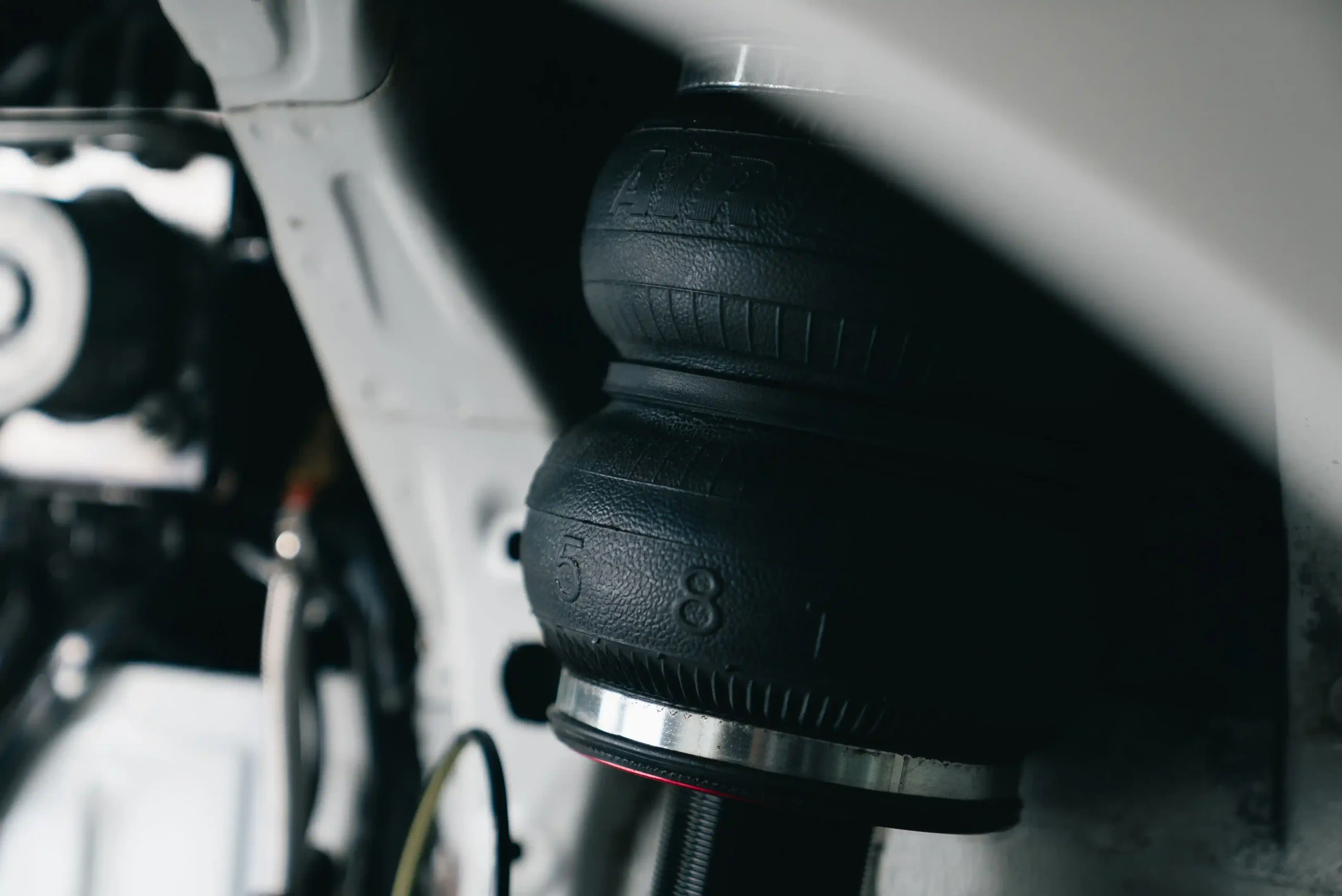
These systems can adjust damping characteristics based on driving conditions and selected drive modes.
A problem may produce symptoms such as:
- Warning messages
- Changes in ride quality
- Unusual suspension behavior
- Uneven damping
- Electronic fault codes
Because electronically controlled suspension can involve sensors, wiring, control modules, and specialized components, diagnosis may require appropriate diagnostic equipment.
A warning message does not necessarily mean the entire suspension system needs replacement.
Air Suspension vs. Conventional Suspension
Air suspension and conventional spring suspension operate differently.
Conventional suspension generally uses steel springs combined with shocks or struts.
Air suspension uses air springs and additional components to maintain or adjust ride height.
Air suspension can provide ride-height and comfort benefits, but it also has more components that can potentially require repair.
A vehicle owner should understand which suspension system their specific Audi or VW uses before estimating repair requirements.
When Should You Get Your Audi or VW Suspension Inspected?
You should consider an inspection when you notice a new or persistent change in vehicle behavior.
Examples include:
- New suspension noises
- Uneven tire wear
- Vehicle pulling
- Excessive bouncing
- Steering instability
- Uneven ride height
- Excessive body roll
- Rough ride
- Suspension warning messages
You should also consider a suspension inspection if the vehicle has experienced a significant pothole impact or road collision.
What to Expect at a Professional Suspension Inspection
A professional inspection should focus on identifying the actual source of the problem rather than simply replacing parts based on symptoms.
The technician may:
- Listen to the customer’s description of the problem.
- Perform a visual inspection.
- Check suspension components.
- Inspect tires and wheels.
- Check steering components.
- Perform a road test.
- Check alignment when appropriate.
- Scan electronic systems when required.
- Explain the recommended repairs.
- Provide an estimate before major work.
This approach can help prevent unnecessary parts replacement.
OEM vs. Aftermarket Suspension Parts
When replacing Audi or VW suspension components, owners may have several parts options.
OEM parts are designed to meet the manufacturer’s specifications.
Aftermarket parts are produced by other manufacturers and can vary significantly in quality and specifications.
The right choice depends on:
- Vehicle
- Component
- Budget
- Intended use
- Part quality
- Warranty
- Technician recommendation
For important suspension components, it is worth discussing the available options with a qualified technician rather than choosing parts based only on price.
Final Thoughts
Suspension problems in Audi and VW models can develop gradually or appear suddenly after a significant impact.
Clunking noises, uneven tire wear, excessive bouncing, steering instability, pulling, rough ride quality, uneven ride height, and excessive body roll are all signs that your suspension may need attention.
The exact cause can vary widely. A noise that appears to come from the suspension could involve a control arm, bushing, stabilizer link, spring, shock, strut, wheel, tire, or another component.
Audi models with adaptive or air suspension can also require specialized diagnosis because of their additional electronic and pneumatic components.
The most important step is not to guess which part has failed. A proper inspection can identify the source of the problem and help determine whether a component needs adjustment, repair, or replacement.
Regular inspections, proper tire pressure, wheel alignment, and timely attention to new symptoms can help maintain the handling and comfort of your Audi or Volkswagen.
If your Audi or VW has developed unusual suspension noises or handling changes, getting the vehicle inspected early can help you understand the problem before it leads to additional wear or safety concerns.he problem early may help prevent additional damage and give you more repair options.
Frequently Asked Questions
What are the most common suspension problems in Audi models?
Common Audi suspension problems can include worn control arms and bushings, shock or strut wear, stabilizer link problems, broken springs, alignment issues, and air or adaptive suspension faults on equipped models.
What are common Volkswagen suspension problems?
Volkswagen suspension problems can include worn bushings, stabilizer links, springs, shocks, struts, control arms, and wheel alignment issues. The specific problems depend on the model and mileage.
How do I know if my Audi suspension is bad?
Common signs include clunking noises, excessive bouncing, uneven tire wear, steering instability, pulling, excessive body roll, or an uneven ride height.
How long do Audi and VW suspension components last?
There is no single mileage or time interval that applies to every vehicle. Component life depends on road conditions, driving habits, vehicle age, mileage, suspension design, and maintenance.
Can bad suspension cause uneven tire wear?
Yes. Worn suspension components can contribute to changes in wheel alignment and tire contact, potentially causing uneven tire wear. However, incorrect tire pressure, alignment, tires, wheels, and other components can also cause similar symptoms.
Is it safe to drive with a bad suspension?
The answer depends on the severity of the problem. Minor symptoms may allow limited driving to a repair facility, while broken springs, severe instability, major damage, or serious steering problems can make continued driving unsafe.
How much does Audi suspension repair cost?
The cost depends on the Audi model, suspension type, damaged components, parts, and labor. A simple component replacement can cost much less than repairing an advanced air or adaptive suspension system.
How much does Volkswagen suspension repair cost?
Volkswagen suspension repair costs vary according to the model and failed component. An inspection is necessary to determine which parts need replacement and provide an accurate estimate.
Should shocks and struts be replaced together?
Shocks or struts are often replaced in pairs on the same axle to maintain balanced performance, but the correct repair depends on the vehicle and condition of the components.
Does suspension repair require a wheel alignment?
Some suspension repairs can affect wheel alignment. Depending on the component replaced and the vehicle, an alignment may be recommended or required after the repair.