
You just had the oil changed in your BMW. Everything seemed fine, but shortly afterward, the check engine light appeared on the dashboard.
BMW check engine light after oil change can be worrying, especially when your BMW was running normally before the service. In many cases, the warning may be related to an oil level issue, a loose cap, a disturbed sensor, or another engine problem. Understanding the possible causes can help you know what to check and when professional BMW diagnostics may be necessary.
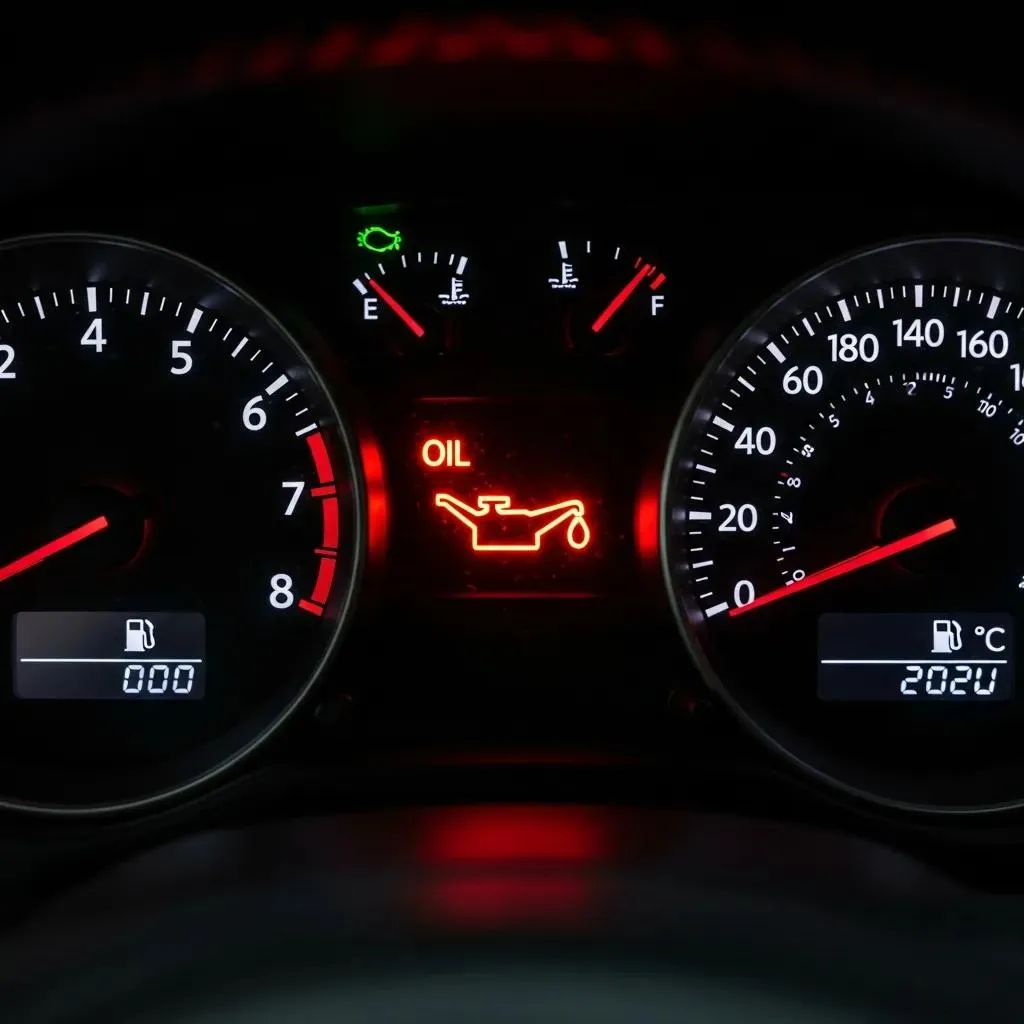
Naturally, you may wonder:
Did the oil change cause the check engine light
Not necessarily.
A check engine light that appears after an oil service can sometimes be related to something disturbed or noticed during the service, but it can also be caused by an unrelated issue that happened at around the same time. BMW vehicles use sophisticated electronic systems to monitor engine and emissions-related functions, so the warning light should be diagnosed rather than simply reset.
BMW’s Check Control system monitors various vehicle functions and reports detected faults through warning lights and messages. Depending on the BMW model and operating system, stored messages can be viewed through the vehicle’s Check Control menu.
For BMW owners in Long Beach, CA, understanding the possible causes can help you decide what to do next in future.
BMW Check Engine Light after oil change
The check engine light generally indicates that the vehicle’s onboard diagnostic system has detected a fault that needs attention.
It does not automatically mean that your BMW has a major engine problem all over.

The underlying issue could involve an engine-management component, emissions-related system sensor, electrical connection, air/fuel system, or another monitored component.
BMW’s Check Control system can provide additional information about detected faults, and newer BMW models allow owners to review stored Check Control messages through the vehicle’s menu bar.
The important thing is to identify the actual fault code before assuming the oil change caused the warning.
Can an Oil Change Cause a Check Engine Light?
An oil change itself should not normally cause a check engine light.
However, there are situations where a warning can appear shortly after an vehicle oil service.
For example, something may have been left loose, disturbed, incorrectly installed, or another existing problem may have become noticeable at the same time.
That means timing does not always equal causation.
If your BMW’s check engine light appears immediately after service, it makes sense to have the vehicle inspected and the diagnostic codes read.
1. Incorrect Engine Oil Level
One of the first things worth checking after an oil change is the engine oil level.
Too little or too much oil can create problems, and the correct oil quantity varies by BMW model and engine.
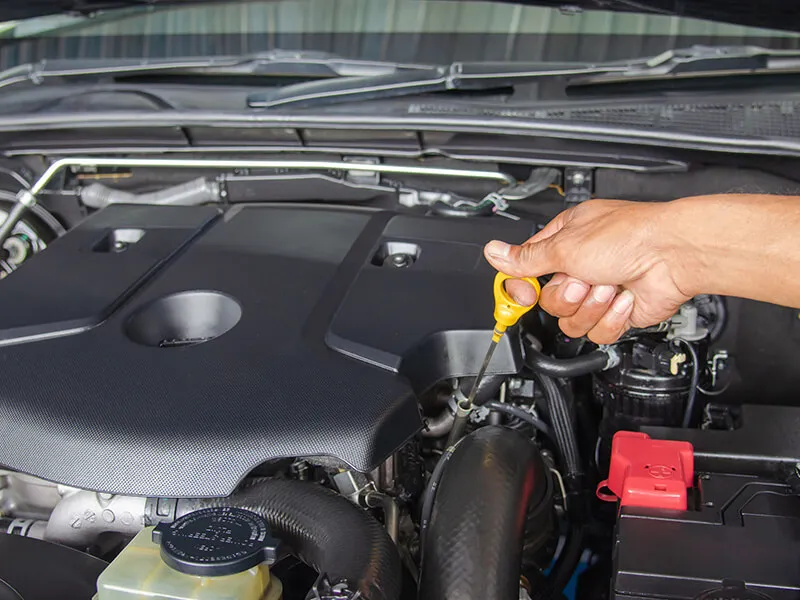
Many newer BMW vehicles allow the driver to check the engine oil level electronically through the vehicle’s menu. BMW’s instructions for newer operating systems direct owners through Vehicle Status → Engine Oil Level, with the exact procedure depending on the vehicle. BMW also notes that a Check Control message can appear if the oil level is outside its permissible range.
BMW recommends checking the engine oil level through the vehicle’s iDrive system, where the oil level can be displayed and a detailed measurement can be performed on supported models.
If the oil level is incorrect after service, it should be corrected before assuming the check engine light is unrelated.
Why Oil Level Matters
Engine oil provides lubrication for internal engine components.
An incorrect oil level can affect engine operation and, depending on the problem, may result in warning messages or other symptoms.
If you recently had an oil change and notice an oil-related warning, unusual engine noise, smoke, or other abnormal behavior, have the vehicle checked promptly.
2. Oil Cap or Related Component Was Not Properly Secured
During an oil service, the technician works around the engine compartment.
If a cap, cover, or related component is not correctly secured after service, the vehicle may develop an issue that can trigger a warning.
This is the one reason a post-service inspection can be useful.
However, the exact cause should be confirmed through diagnostics rather than guessing.
3. A Sensor or Electrical Connector Was Disturbed
The Modern BMWs use numerous sensors and electronic control modules.
BMW’s own service information emphasizes diagnostic monitoring and vehicle-specific maintenance systems. Current BMW maintenance documentation includes checking warning and service information as part of maintenance procedures.
If a connector or sensor was disturbed during work around the engine compartment, a fault may be detected after the vehicle is started.
Possible symptoms may include:
- Check engine light
- Rough running
- Reduced engine performance
- Poor throttle response
- Additional Check Control messages
A diagnostic scan can help determine whether an electronic fault is actually present.
4. An Existing Problem Appeared at the Same Time
This is an important possibility.
Your BMW may have already had a developing problem before the oil change, and the warning light may simply have appeared afterward.
For example, an aging sensor, ignition component, emissions component, vacuum issue, or electrical problem may reach the point where the vehicle’s diagnostic system detects it.
In this situation, the oil change may have nothing to do with the underlying fault.
That is why a technician should read the stored diagnostic trouble codes instead of automatically blaming the recent service.
5. The Check Engine Light May Be Related to Another Engine-System Fault
The BMW engines use sophisticated management systems to monitor performance.
Depending on the model, a fault may involve areas such as:
- Ignition system
- Fuel system
- Air intake system
- Engine sensors
- Emissions components
- Turbocharging system
- Electrical systems
- Engine management electronics
The check engine light itself does not identify the exact failed component.
The diagnostic code provides a starting point for identifying what the BMW’s computer detected.
6. An Oil Leak May Have Developed or Been Discovered
Another possibility after an oil service is an oil leak.
If oil is visible around the engine, under the vehicle, or near service components, the source should be identified.
BMW engines can use multiple seals, gaskets, housings, and other components that may develop leaks as the vehicle ages.
A professional inspection can determine whether the leak is related to the recent service or an existing component.
Check Engine Light vs. Oil Warning Light
It is important to understand that the check engine light and oil warning light are not the same warning.
A check engine light generally indicates that the vehicle’s diagnostic system has detected a fault.
An oil-pressure or oil-related warning can indicate a lubrication problem and may require a more immediate response.
BMW owner information warns that an engine oil-pressure warning can require the vehicle to be stopped and the engine switched off because inadequate lubrication can damage the engine. Always follow the warning message and your vehicle’s owner’s manual for the specific situation.
If you see a red oil-pressure warning, don’t assume it is simply a routine oil-change reminder.
What Should You Do If the Check Engine Light Appears After an Oil Change?
The first step is to stay calm and determine what type of warning you are seeing.
Step 1: Check the Dashboard Message
BMW vehicles can provide additional information through the Check Control system.
On supported BMW models, you can access stored messages through:
Vehicle → Vehicle Status → Check Control
The exact menu names can vary by model and iDrive version.
Step 2: Check the Oil Level
If your BMW supports electronic oil-level measurement, check the oil level using the vehicle’s recommended procedure.
BMW provides model-specific instructions for checking engine oil electronically through Vehicle Status.
Do not add oil simply because the check engine light is on. Confirm the oil level and follow the correct procedure for your BMW.
Step 3: Look for Obvious Problems
If it is safe to do so, look for:
- Visible oil leaks
- Loose caps
- Unusual smoke
- Unusual engine sounds
- Rough idle
- Poor acceleration
- Additional warning messages
Do not attempt repairs if you are unsure what you are looking at.
Step 4: Have the BMW Scanned
The most useful next step is usually a proper diagnostic scan.
A scan can retrieve the fault codes stored by the vehicle and help a technician determine where to begin the diagnosis.
The code itself is not always the final diagnosis. A technician may need to perform additional testing to determine why the code appeared.
What If the Check Engine Light Is Flashing?
A flashing check engine light should be treated more urgently than a steady light.
If the vehicle is running poorly, shaking, losing power, producing unusual smoke, or displaying multiple warning messages, continuing to drive may make the problem worse.
Stop driving when it is unsafe to continue and seek professional assistance.
For any warning involving oil pressure, overheating, or severe engine symptoms, follow the instructions in your BMW owner’s manual and do not continue driving if doing so could damage the vehicle.
Should You Reset the Check Engine Light?
Simply clearing the warning light does not fix the underlying problem.
If a diagnostic code is erased without identifying the cause, the light may return.
It can also make it harder for a technician to understand what originally happened because diagnostic information may have been cleared.
The better approach is:
Scan → Diagnose → Repair → Verify
This allows the technician to determine what caused the warning and confirm that the problem has been resolved.
Why BMW Diagnostic Equipment Matters
BMW vehicles use sophisticated electronic systems, and generic code readers may not provide the complete picture in every situation.
If your BMW check engine light remains on after an oil change, professional BMW engine diagnostics can help identify the underlying fault.
A professional European auto repair facility can use appropriate diagnostic equipment and testing procedures to investigate BMW-specific faults.
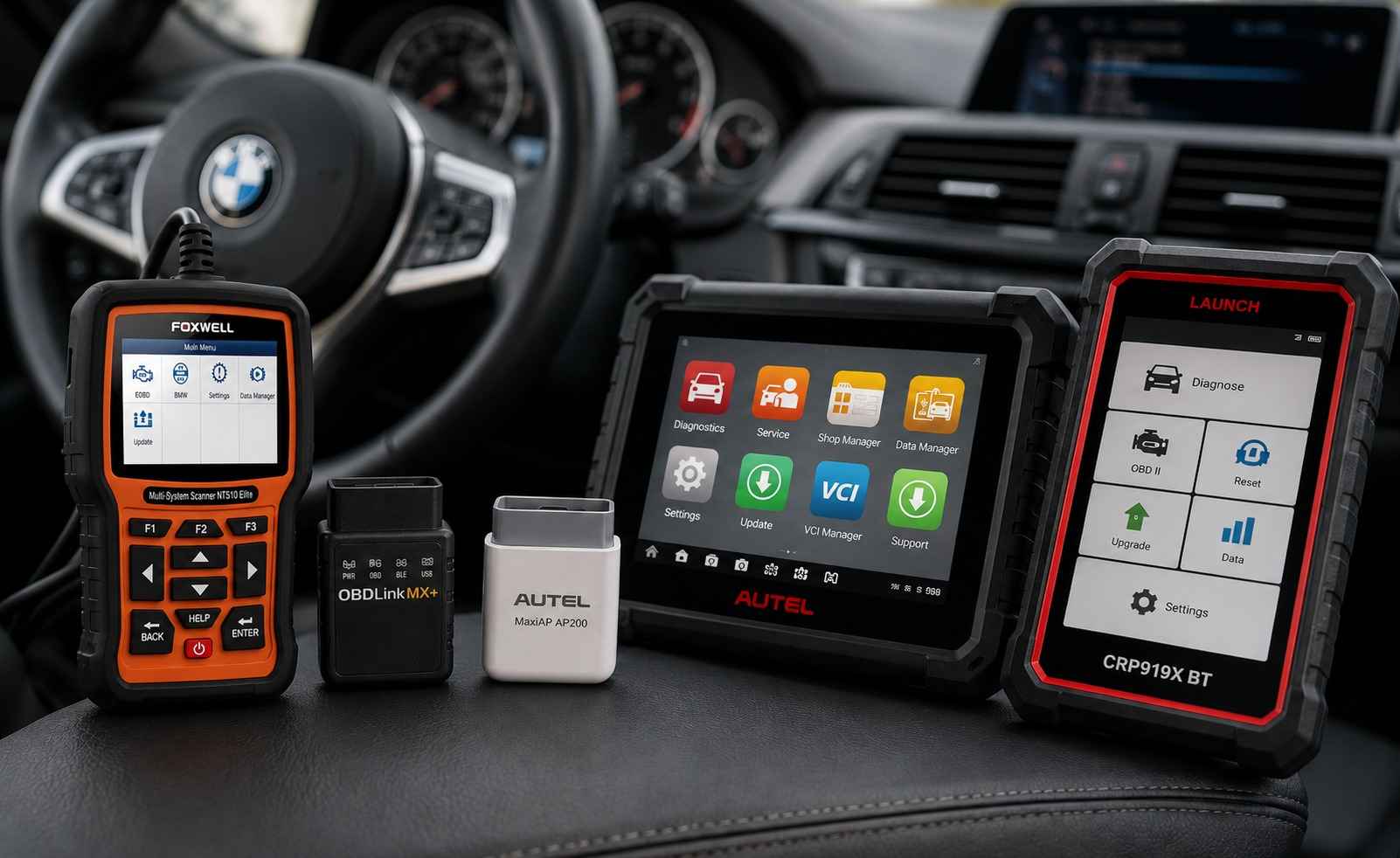
Jankowski Import Auto Inc. states that it specializes in German and European vehicles, including BMW, and uses advanced diagnostic technology and OEM-quality parts. The shop’s services include advanced diagnostics, engine diagnostics, electrical troubleshooting, preventative maintenance, and repairs.
This type of specialized approach can be especially useful when a warning appears immediately after maintenance.
How an Expert Technician Can Diagnose the Problem
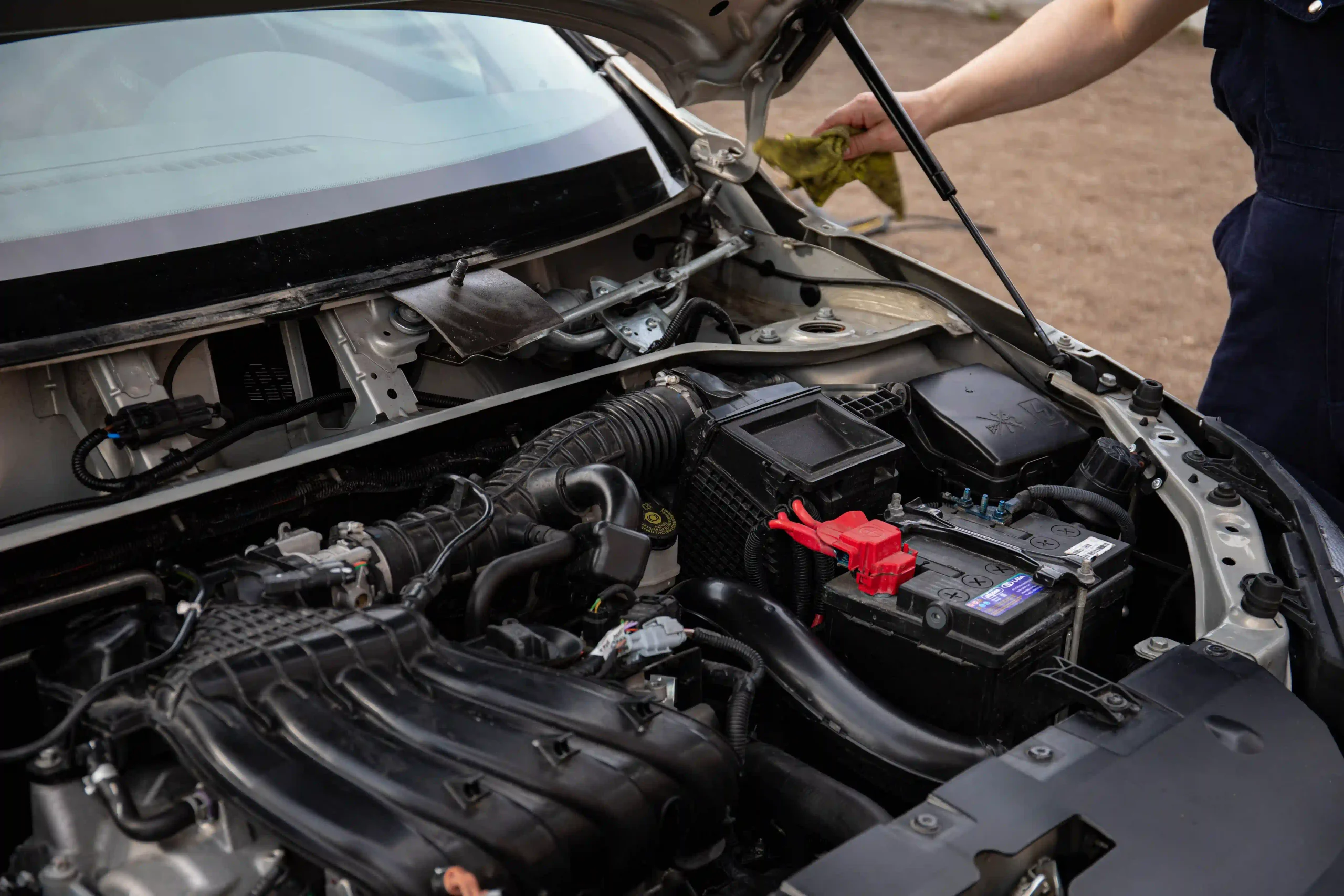
A proper diagnostic process may include:
1. Reading Fault Codes
The technician retrieves the stored diagnostic trouble codes from the BMW.
2. Reviewing Vehicle Information
The technician considers the BMW’s model, engine, mileage, service history, and current symptoms.
3. Inspecting the Engine Compartment
The technician can check for visible leaks, disconnected components, damaged wiring, loose connections, and other obvious issues.
4. Testing the Suspected System
Additional testing may be required to determine whether the component identified by the fault code is actually defective.
5. Repairing the Root Cause
Once the cause has been confirmed, the appropriate repair can be performed.
6. Clearing and Verifying the Fault
After the repair, the vehicle can be checked again to confirm that the problem has been addressed.
How to Prevent Problems After a BMW Oil Change
Good maintenance practices can reduce the chances of service-related problems.
Following BMW’s recommended maintenance schedule can help keep your vehicle operating properly and ensure important service tasks are completed at the appropriate intervals.
Use the Correct BMW-Approved Oil
Don’t choose engine oil based only on viscosity.
The correct oil specification depends on the specific BMW engine and model.
BMW’s maintenance information specifies engine oil service as part of scheduled maintenance and provides vehicle-specific maintenance requirements.
Replace the Oil Filter
An oil service should include the correct oil filter for the vehicle.
BMW’s current maintenance documentation lists engine oil and oil-filter replacement as part of engine oil service.
Check for Leaks
A good service should include checking for visible leaks or other issues around the service area.
Keep Maintenance Records
Record the date, mileage, oil specification, filter, and other work performed.
This information can help technicians understand the vehicle’s maintenance history when diagnosing future problems.
Does Long Beach Driving Affect BMW Maintenance?
Driving conditions can influence maintenance needs.
Frequent short trips, stop-and-go traffic, extended idling, and repeated cold starts can place different demands on a vehicle than longer trips at steady speeds.
BMW’s maintenance documentation recognizes that operating and driving conditions can affect maintenance requirements and uses vehicle-specific systems to help determine service needs.
For BMW drivers in Long Beach, discussing your actual driving habits with a European-car specialist can help determine an appropriate maintenance approach.
When Should You Bring Your BMW to a Repair Shop?
You should consider professional diagnosis if:
- The check engine light remains on
- The light returns after being cleared
- The BMW runs rough
- The engine loses power
- The vehicle shakes or misfires
- You notice an oil leak
- You smell burning oil
- Multiple warning messages appear
- An oil-pressure warning appears
- You are unsure why the warning appeared
A professional diagnostic inspection can help separate a genuine engine problem from a sensor, electrical, maintenance, or unrelated fault.
Frequently Asked Questions
Why did my BMW check engine light come on after an oil change?
The timing does not necessarily mean the oil change caused the warning. The light could be related to an issue discovered during service, a disturbed component, an incorrect oil level, or an unrelated fault that appeared at the same time. A diagnostic scan is needed to determine the cause.
Can low oil cause a check engine light on a BMW?
An incorrect oil level can trigger oil-related Check Control messages on BMW vehicles, but a check engine light should not automatically be assumed to mean low oil. Check the oil level according to your BMW’s recommended procedure and have the vehicle diagnosed if the warning remains.
Should I drive my BMW with the check engine light on?
It depends on the warning and how the vehicle is operating. A steady light without severe symptoms may allow you to arrange diagnosis promptly, while a flashing light, severe engine symptoms, oil-pressure warning, or overheating requires more urgent attention.
Can an oil change damage a BMW engine?
A properly performed oil change should not damage the engine. Problems can occur if the wrong oil specification is used, the oil level is incorrect, or another service-related issue occurs. Always use the oil specification required for the specific BMW.
Should I clear the check engine light myself?
It is better to diagnose the underlying fault before clearing the light. Clearing the code without repairing the problem can cause the warning to return and may remove useful diagnostic information.
Does every BMW use the same oil?
No. BMW oil requirements vary by engine and model. Always verify the correct specification for your particular BMW rather than choosing oil based only on viscosity.
Final Thoughts
A check engine light appearing after a BMW oil change can be worrying, but the timing alone does not prove that the oil service caused the problem.
The right approach is to check the vehicle information, verify the oil level, inspect for obvious issues, and perform proper diagnostics.
BMW’s electronic systems are designed to monitor vehicle functions and store information about detected faults, making diagnostic testing an important part of finding the actual cause.
If you’re in Long Beach, CA, Jankowski Import Auto Inc. specializes in German and European vehicles including BMW and provides advanced diagnostics, maintenance, engine diagnostics, electrical troubleshooting, and repair services.
If your BMW’s check engine light came on after an oil change, don’t simply ignore it or repeatedly reset the warning.
Have the underlying cause diagnosed so your BMW can get the right repair—not just a temporary reset.