
Introduction
Oil change cost can vary widely depending on your vehicle, oil type, engine size, location, and where you get the service. A basic conventional oil change may cost around 35–75, while a full-synthetic oil change commonly costs 65–125 at many service centers. European vehicles such as BMW, Mercedes-Benz, Audi, and Volkswagen can cost more because they often require specific synthetic oil, larger oil capacities, and manufacturer-approved filters.
For European car owners, however, the cheapest oil change is not always the best choice. Using the correct oil specification and replacing the filter properly can make a significant difference in engine protection and long-term reliability.
In this guide, we will explain how much an oil change costs, what affects the price, how much synthetic oil changes cost, how often you should change your oil, and why European vehicles can be more expensive to service.
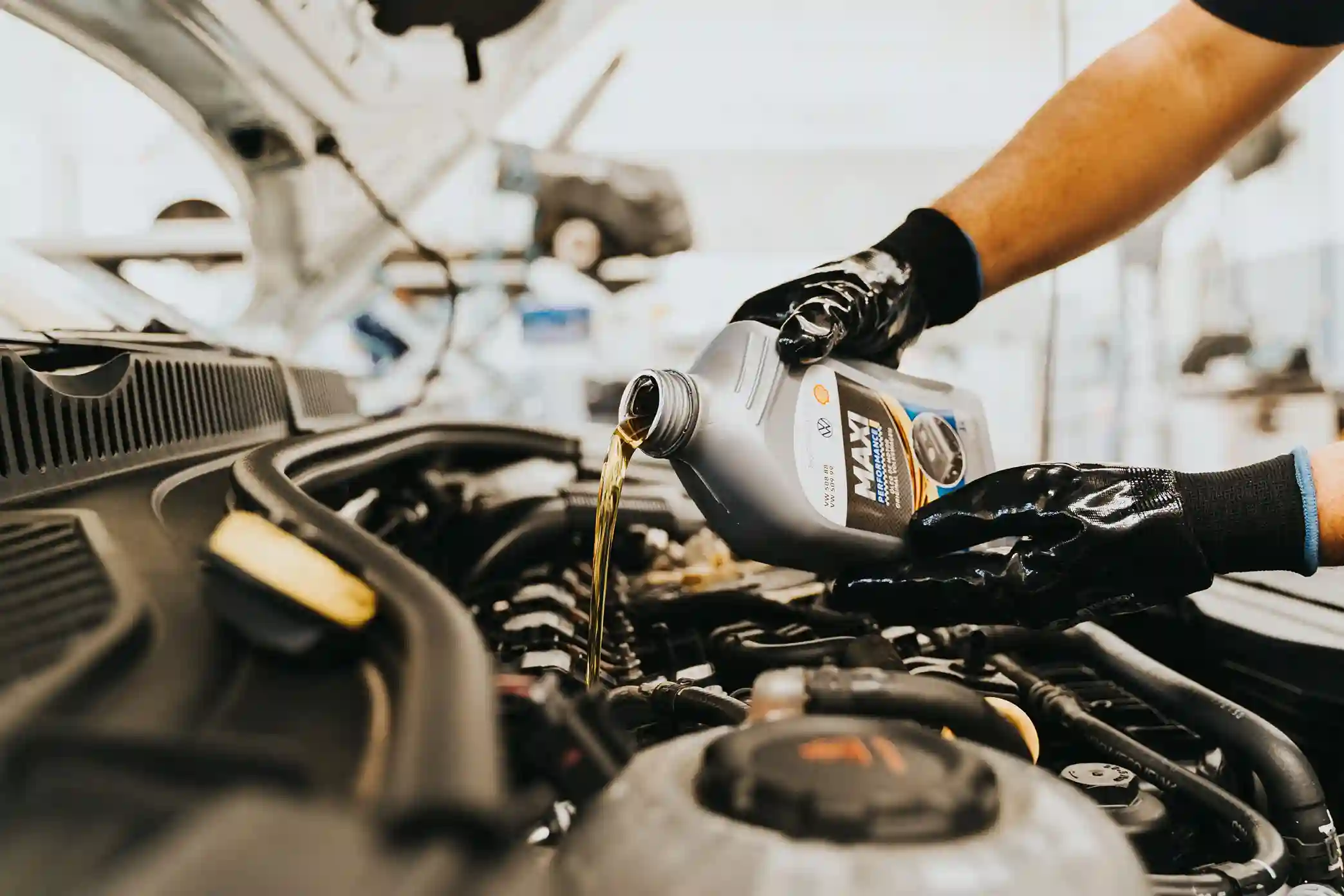
How Much Does an Oil Change Cost?
So, how much does an oil change cost?
For a typical vehicle, the price can vary depending on whether you choose conventional, synthetic-blend, or full-synthetic oil.
As a general guide:
| Oil Change Type | Typical Cost Range |
| Conventional oil | 35–75 |
| Synthetic blend | 50–90 |
| Full synthetic | 65–125 |
| European vehicle | 100–300+ |
| Luxury European vehicle/dealer service | 200–350+ |
These are general estimates rather than fixed prices. Your actual bill can be higher or lower depending on the vehicle and service location.
Kelley Blue Book currently lists conventional oil and filter changes around 35–75 and synthetic services around 65–125 in its general oil-change pricing information.
European vehicles may fall outside these basic ranges. For example, current Kelley Blue Book estimates show oil-change pricing around 258–302 for a 2026 Audi Q5, while a 2026 Mercedes-Benz G-Class is listed around 305–357 in the referenced locations.
That difference demonstrates why you should consider the exact vehicle rather than relying only on the average oil change price.
What Is Included in an Oil Change?
When you pay for an oil change, you are generally paying for more than someone simply removing old oil and adding new oil.

A standard oil change normally includes:
- Draining the old engine oil
- Replacing the oil filter
- Installing the correct amount of new oil
- Checking the oil level
- Inspecting for obvious leaks
- Resetting the oil service reminder when necessary
- Checking or topping off certain fluids, depending on the shop
The oil filter is particularly important. Old oil passing through a dirty or worn filter can reduce the effectiveness of the fresh oil.
Some professional shops may also perform a basic inspection while the vehicle is on the lift. This can help identify worn components, leaks, low fluid levels, or other maintenance issues before they become expensive repairs.
However, you should always ask what is included in the quoted price. A low advertised price may not include premium synthetic oil, additional quarts, the filter, shop fees, or other services.
Why Does an Oil Change Cost More for European Cars?
If you own a BMW, Mercedes-Benz, Audi, or Volkswagen, you may notice that your oil change cost is higher than the price advertised for an average domestic vehicle.

There are several reasons.
1. European engines often require synthetic oil
Many modern European engines are designed around specific synthetic oils and manufacturer approvals.
You should not select oil simply because the viscosity looks correct. The oil must meet the specification required by the particular engine.
For example, an engine may require a particular manufacturer approval in addition to a specific viscosity.
Using the wrong oil can potentially affect lubrication, emissions-system performance, and long-term engine protection.
2. European engines may require more oil
Some European vehicles have larger engines or oil capacities that require more quarts.
If a vehicle needs seven or eight quarts instead of five, the oil portion of the bill naturally increases.
3. Specialty oil costs more
European vehicles frequently use premium full-synthetic lubricants.
Synthetic oil costs more than conventional oil, but modern engines are often designed around its performance characteristics.
4. Filters can be more expensive
A European vehicle may require a specialized oil filter rather than a common inexpensive filter.
Depending on the model, the filter may also come as a cartridge-style unit with additional seals or components.
5. Labor rates can be higher
Specialized European auto repair shops and dealerships may charge higher labor rates than general quick-lube locations.
That does not automatically mean they are overpriced.
A technician who regularly works on BMW, Mercedes-Benz, Audi, or Volkswagen vehicles may be better equipped to identify model-specific maintenance requirements.
How Much Is a Synthetic Oil Change?
One of the most common questions people search is how much is a full synthetic oil change?
A typical full-synthetic oil change can cost approximately 65–125 for many mainstream vehicles, although European and luxury vehicles can be substantially more expensive.

The price depends on:
- Oil brand
- Oil specification
- Number of quarts required
- Oil filter
- Vehicle engine
- Labor rate
- Service location
- Additional inspections or services
For a European vehicle, it is not unusual for a professional oil service to reach well above the basic national average.
For example, Kelley Blue Book estimates a 2023 Audi S4 oil change around 244–311 in the referenced market, while a 2022 Mercedes-Benz S-Class estimate is around 227–286.
These examples show why comparing your European vehicle with a $40 quick-lube advertisement can be misleading.
Conventional vs. Synthetic Oil: Which Is Better?
There are three common categories of engine oil:
Conventional Oil
Conventional oil is petroleum-based and generally costs less.
It may be suitable for vehicles designed to use it, particularly older engines.
However, you should never switch to conventional oil simply to reduce the oil change cost if your vehicle manufacturer requires synthetic oil.
Synthetic Blend
Synthetic-blend oil combines conventional and synthetic base oils.
It can provide some advantages of synthetic oil while usually costing less than full synthetic.
Again, compatibility with your specific vehicle should come first.
Full Synthetic Oil
Full synthetic oil is engineered to provide consistent performance across a wider range of temperatures and operating conditions.
Many modern European vehicles require or recommend specific full-synthetic lubricants.
Although the initial oil change cost is higher, synthetic oil can provide longer service intervals when allowed by the manufacturer.
The important point is that more expensive oil is not automatically better for every vehicle. The correct oil specification matters more than simply choosing the most expensive bottle.
How Often Should You Get an Oil Change?
Another major search question is “how often should you get an oil change?”
There is no single mileage number that applies to every vehicle.
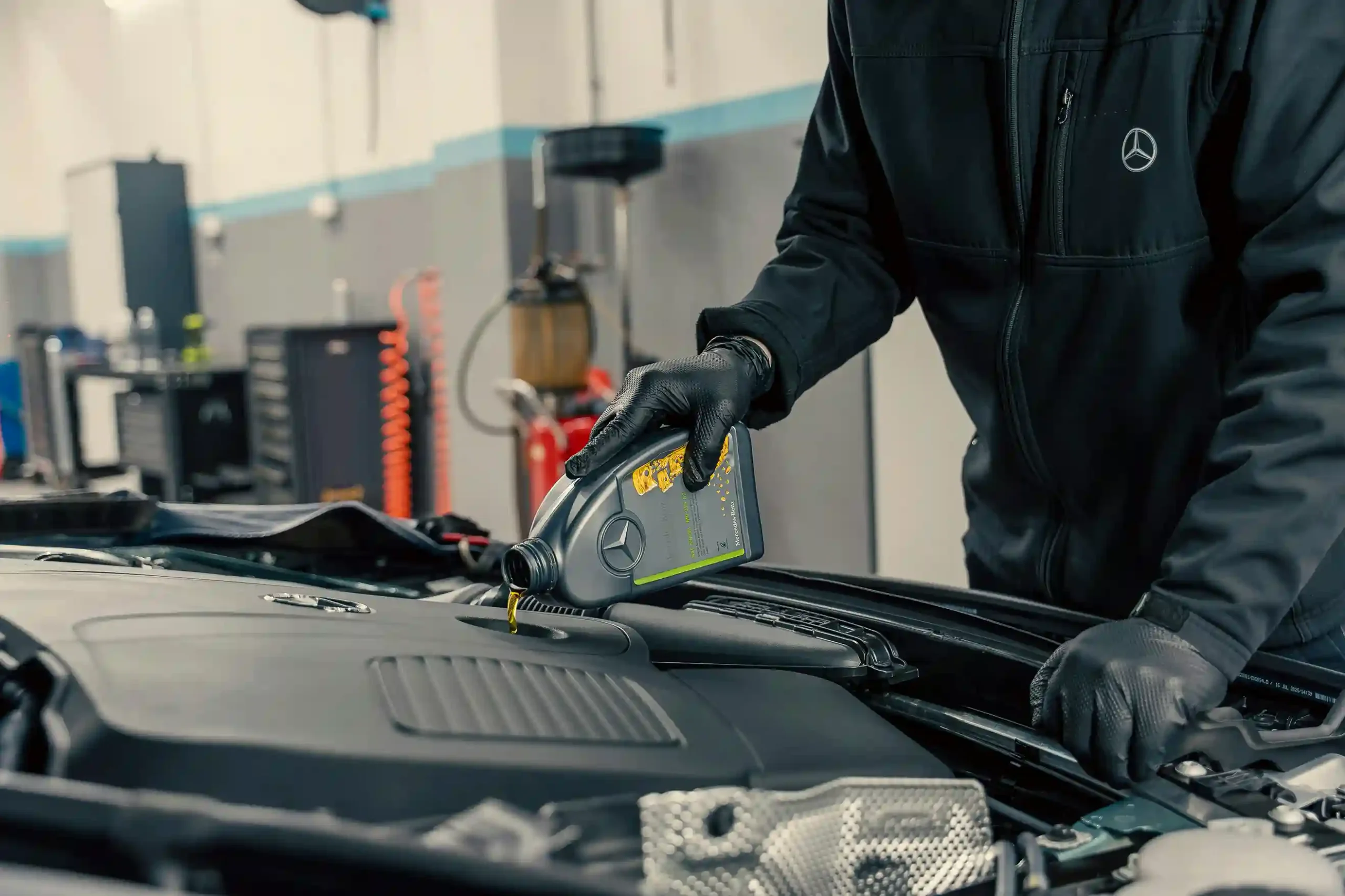
Modern vehicles can have significantly longer service intervals than older vehicles. Kelley Blue Book notes that many newer vehicles using synthetic-blend or full-synthetic oil can be engineered for approximately 7,500–15,000 miles between oil changes, depending on the manufacturer and driving conditions.
However, you should always follow the maintenance schedule for your specific vehicle.
Your recommended interval can depend on:
- Engine design
- Oil specification
- Driving conditions
- Vehicle age
- Mileage
- Climate
- Stop-and-go driving
- Short trips
- Towing
- High-performance driving
For example, frequent short trips may be harder on engine oil than consistent highway driving.
If your vehicle has an oil-life monitoring system, use it as an additional guide, but do not ignore the manufacturer’s recommended maintenance schedule.
How Many Miles Between Oil Changes?
The answer depends on your vehicle.
Older vehicles using conventional oil may require more frequent changes, while newer vehicles using approved synthetic oil may go considerably longer.
A common mistake is assuming that every car needs an oil change every 3,000 miles.
That rule was common in older maintenance advice, but modern engines and oils have changed considerably.
Kelley Blue Book notes that many newer engines using synthetic oil can have intervals of 7,500–15,000 miles, depending on the manufacturer’s recommendation and driving conditions.
For a European vehicle, do not rely on a generic “every 5,000 miles” or “every 10,000 miles” rule.
Check:
- Your owner’s manual
- Manufacturer maintenance schedule
- Vehicle’s oil-life system
- Recommended oil specification
If you drive a BMW, Mercedes-Benz, Audi, or Volkswagen, using the correct manufacturer-approved oil is especially important.
How Long Does an Oil Change Take?
Another high-volume question is “how long does an oil change take?”
A basic oil change can often be completed in approximately 30–60 minutes, although the actual time depends on the shop, vehicle, appointment schedule, and additional inspection requirements.
A quick-lube facility may complete a simple service relatively quickly.
A European specialty shop may take longer because the technician may perform additional checks.
For example, during a professional European vehicle oil service, a technician may inspect:
- Oil leaks
- Brake condition
- Tire condition
- Fluid levels
- Suspension components
- Engine compartment
- Warning lights
- Service reminders
That extra inspection can be valuable because it may identify a developing problem before it becomes a major repair.
What Factors Affect Oil Change Cost?
Your final bill can be influenced by several factors.
Vehicle Make and Model
A small four-cylinder sedan may require less oil than a larger turbocharged six-cylinder engine.
A luxury vehicle can also require more expensive oil and filters.
Engine Size
The larger the engine’s oil capacity, the more oil you need.
A vehicle requiring eight quarts of premium synthetic oil will naturally cost more than one requiring five.
Oil Type
Full synthetic oil usually costs more than conventional oil.
European vehicles commonly use premium synthetic lubricants.
Oil Filter
Oil filters vary significantly in price.
A high-quality filter designed specifically for a European engine may cost more than a generic filter.
Labor
Labor rates differ between:
- Dealerships
- Independent European specialists
- General repair shops
- Quick-lube locations
Location
Prices can vary considerably between cities and regions.
A service in a high-cost metropolitan area may be more expensive than the same service in a smaller market.
Additional Maintenance
Sometimes an oil change reveals another problem.
For example, a technician might notice:
- Oil leaks
- Worn belts
- Low coolant
- Brake wear
- Tire problems
- Suspension issues
Those repairs would be separate from the oil change itself.
How Much Is an Oil Change for a BMW?
BMW oil change pricing varies significantly by model, engine, oil capacity, and service provider.
For many BMW models, you should expect a higher price than a basic economy vehicle because BMW engines commonly require premium synthetic oil and model-specific filters.
The exact cost can also vary between an independent BMW specialist and a dealership.
The best approach is to provide the shop with:
- BMW model
- Model year
- Engine
- Current mileage
This allows the technician to provide a more accurate estimate.
For BMW owners, saving a few dollars by using the wrong oil or an unsuitable filter is not a good strategy.
The goal should be correct maintenance rather than simply the lowest possible price.
How Much Is an Oil Change for Mercedes-Benz?
Mercedes-Benz oil changes can also cost more than average.
The vehicle may require:
- Full-synthetic oil
- A specific manufacturer-approved oil
- A larger oil capacity
- A specialized filter
- Additional service checks
Current Kelley Blue Book estimates illustrate this variation. A 2026 Mercedes-Benz G-Class oil-change estimate in one market is approximately 305–357, while a 2022 S-Class estimate is around 227–286.
These prices are not universal, but they demonstrate how vehicle model and service location can substantially change the final cost.
How Much Is an Oil Change for Audi?
Audi vehicles can also have higher oil service costs than standard vehicles.
For example, Kelley Blue Book currently lists a 2026 Audi Q5 oil-change estimate of approximately 258–302 in the referenced location.
An Audi’s final cost depends on the engine, model year, oil capacity, filter, labor rate, and oil specification.
If you own an Audi, always verify the required oil specification before purchasing oil.
How Much Is an Oil Change for Volkswagen?
Volkswagen oil change costs can vary considerably by model.
A smaller Volkswagen sedan may cost considerably less than a larger SUV or performance model.
For example, a 2025 Volkswagen Jetta oil-change estimate from Kelley Blue Book is around 179–211 in the referenced market, while a 2024 Volkswagen Tiguan estimate is significantly higher at approximately 359–421.
This difference demonstrates why “average oil change cost” should always be treated as a general guide rather than a guaranteed price.
Can You Save Money on an Oil Change?
Yes, but you should save money intelligently.
Compare independent shops
A reputable independent European auto repair shop may offer better pricing than a dealership while still having technicians experienced with European vehicles.
Ask for an itemized estimate
Before approving service, ask:
- What oil are you using?
- How many quarts?
- Which filter?
- What is the labor charge?
- Are taxes or shop fees included?
- Are there additional recommended services?
Use manufacturer-approved oil
Don’t choose oil based only on price.
A cheaper oil that does not meet the required specification is not a good bargain.
Look for service specials
Dealerships and independent shops sometimes offer oil-change coupons.
However, read the fine print.
A $39 oil change promotion may only apply to certain oil types or vehicle categories.
Maintain the correct interval
Skipping oil changes to save money can become extremely expensive.
Engine damage can cost thousands of dollars, making a routine oil service one of the least expensive forms of preventive maintenance.
Is a Cheap Oil Change Worth It?
A cheap oil change can be perfectly acceptable if the service uses the correct oil, the correct filter, and qualified technicians.
The problem is not necessarily the price.
The problem is what you get for that price.
A low-cost oil change may have restrictions such as:
- Conventional oil only
- Limited oil quantity
- Basic filter
- Additional charges for synthetic oil
- Additional charges for extra quarts
- Limited inspection
For a European vehicle, carefully compare the actual service rather than comparing advertised headline prices.
If your BMW requires premium synthetic oil and a specialized filter, a $39 conventional oil promotion may not apply to your vehicle at all.
DIY Oil Change vs. Professional Service
Doing your own oil change can reduce the labor portion of the cost.
Kelley Blue Book estimates that five quarts of conventional oil plus a filter can cost around $35, while a similar amount of synthetic oil and a new filter can be around $45 plus tax, depending on location and products.
However, DIY service requires:
- Correct oil
- Correct filter
- Drain pan
- Jack or ramps where appropriate
- Proper tools
- Safe disposal of used oil
- Correct torque specifications
- Knowledge of the vehicle
European vehicles can add another level of complexity because oil specifications, filter designs, electronic service reminders, and access procedures can vary.
If you are not comfortable performing the job safely, professional service is usually the better choice.
What Happens If You Delay an Oil Change?
Oil gradually becomes contaminated and loses some of its ability to protect engine components.
Delaying an oil change too long can contribute to:
- Increased engine wear
- Sludge formation
- Reduced lubrication
- Increased friction
- Poor engine performance
- Higher operating temperatures
- Potentially expensive engine damage
The exact consequences depend on the engine, oil condition, driving conditions, and how far the service interval has been exceeded.
A single slightly overdue oil change does not automatically mean your engine is damaged.
But repeatedly ignoring maintenance can create serious problems.
Signs You May Need an Oil Change
Your vehicle may provide several warnings that maintenance is due.
Look for:
Oil service reminder
Many modern vehicles display a maintenance message when an oil service is due.
Dark or contaminated oil
Oil naturally becomes darker as it collects contaminants, so color alone does not always tell you whether an oil change is immediately required.
Low oil level
A low oil level is more urgent than simply needing a routine oil change.
If your engine is repeatedly losing oil, you should investigate the cause.
Engine noise
Insufficient or degraded lubrication can contribute to unusual engine noises.
Oil warning light
If an oil-pressure warning light appears, do not simply assume that you need an oil change.
Low oil pressure can indicate a serious mechanical problem. Stop safely and have the vehicle inspected.
How to Get the Best Oil Change Price
Before scheduling service, ask the shop these five questions:
1. What oil specification does my vehicle require?
2. How many quarts does the engine take?
3. Is the oil filter included?
4. Is labor included in the quoted price?
5. Are there additional fees or recommended services?
These questions can prevent surprises on your final invoice.
For European vehicles, also ask whether the technician regularly services your specific make.
A shop experienced with BMW, Mercedes-Benz, Audi, and Volkswagen vehicles can be especially helpful when manufacturer-specific requirements are involved.
Final Thoughts on Oil Change Cost
The answer to “how much does an oil change cost?” depends on your vehicle and the type of service you need.
For many standard vehicles, a conventional oil change may cost approximately 35–75, while a full-synthetic service may commonly fall around 65–125.
European vehicles can cost considerably more. Current examples from Kelley Blue Book show that some Audi, Mercedes-Benz, and Volkswagen models can have oil-change estimates ranging from roughly $179 to more than $400, depending on the model and location.
The most important thing is not finding the absolute cheapest oil change. It is making sure your vehicle receives the correct oil, correct filter, correct quantity, and proper service.
For BMW, Mercedes-Benz, Audi, and Volkswagen owners, regular professional maintenance can help catch leaks and other developing problems before they turn into expensive repairs.
If you’re unsure about the correct oil or your vehicle’s maintenance interval, consult the owner’s manual or have a qualified European auto technician inspect the vehicle.
Frequently Asked Questions
How much does an oil change cost?
A conventional oil change commonly costs around 35–75, while a full-synthetic oil change can cost approximately 65–125. European and luxury vehicles may cost considerably more depending on the oil specification, oil capacity, filter, labor, and vehicle model.
How much is a full synthetic oil change?
A full-synthetic oil change commonly costs about 65–125 for many vehicles, although European vehicles can be significantly more expensive.
How often should you get an oil change?
Follow your vehicle manufacturer’s recommended interval. Many modern vehicles using synthetic oil can go approximately 7,500–15,000 miles between services, but the correct interval depends on the specific vehicle and driving conditions.
How long does an oil change take?
A basic oil change often takes about 30–60 minutes, although European vehicles may take longer if the technician performs additional inspections or maintenance checks.
How much is an oil change for a BMW?
BMW oil-change prices vary by model and location. BMW vehicles generally require premium synthetic oil and model-specific filters, so the cost is often higher than a basic economy-car oil change.
How much is an oil change for a Mercedes-Benz?
Mercedes-Benz oil-change costs vary by model. Luxury models requiring larger quantities of approved synthetic oil can cost significantly more than standard vehicles. Current KBB estimates for some Mercedes models are above $200.
Is synthetic oil worth the extra cost?
For vehicles that require or recommend synthetic oil, yes. Synthetic oil can provide the performance characteristics required by modern engines and may allow longer service intervals when permitted by the manufacturer.
Can I go over my oil change mileage?
Going slightly over an interval does not necessarily mean immediate engine damage, but repeatedly exceeding the manufacturer’s recommended service interval is not advisable. Follow the maintenance schedule for your vehicle.