
A failing BMW timing chain can cause serious engine damage if the warning signs are ignored. From unusual rattling noises during cold starts to rough idling, engine warning lights, and reduced performance, recognizing these symptoms early can help BMW owners avoid expensive repairs. Understanding how the timing chain works, why it fails, and when to seek professional BMW repair can help protect your engine and keep your vehicle running reliably.
BMW engines are engineered for performance, efficiency, and smooth operation. However, like other mechanical components, their timing chains, tensioners, and guide rails can wear over time. Certain BMW engine families, including some N20 petrol and N47 diesel applications, have documented timing-chain concerns, although the risk depends on the specific engine, production date, maintenance history, and previous repairs.
In this guide, we explain seven warning signs of BMW timing chain failure, common causes, potential repair costs, and the steps you can take to protect your engine.
Hearing a rattle on cold start in Long Beach? We diagnose BMW timing chain problems before they turn into engine damage. Call Andrew at (323) 895-8755 or see our BMW repair in Long Beach page.
What Is a BMW Timing Chain?
A timing chain is a metal chain inside your BMW engine that synchronizes the crankshaft and camshaft. This synchronization ensures that the intake and exhaust valves open and close at the correct moments during the combustion cycle.
When the timing chain operates correctly, your engine can deliver smooth performance, efficient combustion, and dependable operation. The chain works alongside several components, including:
- Timing chain guides: Keep the chain aligned and moving along the correct path.
- Chain tensioner: Maintains the correct chain tension and helps prevent excessive slack.
- Camshaft and crankshaft sprockets: Transfer rotational movement through the timing system.
- Engine lubrication system: Supplies oil to lubricated components and, in many designs, supports hydraulic tensioner operation.
Over time, the chain may wear or elongate, while guides can deteriorate and tensioners can lose their ability to control slack. If the chain jumps a tooth or breaks, the engine’s valve timing can become severely incorrect.
Depending on the engine design, this may cause valves to contact pistons, resulting in major internal engine damage.
That is why recognizing early symptoms and arranging a proper inspection is essential.
7 Signs Your BMW Timing Chain Is Failing
1. A Metallic Rattling Noise During Cold Starts
One of the most recognizable warning signs of a potential BMW timing chain problem is a metallic rattling noise when starting the engine.
You may hear a brief chain-like rattle after your BMW has been parked overnight or left unused for several hours. The noise may become quieter after the engine starts running and oil pressure builds.
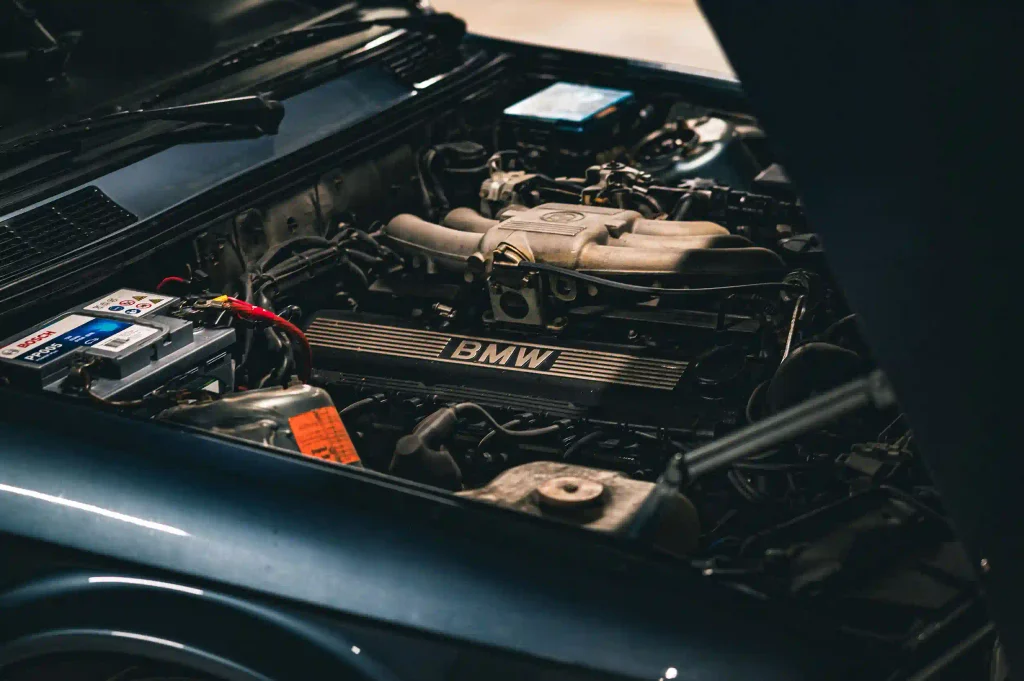
Possible causes include:
- A worn timing chain tensioner.
- Excessive slack in the timing chain.
- Worn or damaged chain guides.
- Internal timing components that are no longer maintaining proper alignment.
The location and duration of the noise can provide useful diagnostic clues, but they do not confirm timing chain failure by themselves. Other components, such as belt-driven accessories, pulleys, or variable valve timing components, can produce similar sounds.
What should you do?
Pay attention to whether the noise occurs only during cold starts, lasts longer than before, or becomes more noticeable over time. Record the sound if it is safe to do so, and arrange a professional inspection.
If the noise is loud, persistent, or accompanied by an engine warning light, stop driving and have the vehicle assessed before further operation.
Do not assume that a short rattle is harmless simply because it disappears after a few seconds.
2. The Check Engine Light Turns On
Your BMW’s check engine light can illuminate when the engine management system detects a problem affecting engine operation or emissions.
A stretched timing chain can alter the relationship between crankshaft and camshaft positions. When this relationship falls outside the expected range, the engine computer may store timing-related diagnostic trouble codes.
Depending on the vehicle and the actual fault, relevant codes may include:
- P0016: Crankshaft and camshaft position correlation problem.
- P0017: Another crankshaft and camshaft correlation fault, depending on the monitored components and configuration.
- P0011 or P0012: Intake camshaft timing performance or position-related faults in applicable systems.
Have the fault codes read through professional BMW engine diagnostics before replacing parts.
These codes are clues rather than proof of a failing chain. Faulty sensors, VANOS components, oil-pressure problems, wiring issues, or other mechanical faults can produce similar results.
A BMW-specific diagnostic scan can help identify stored faults and assess camshaft timing data.
What should you do?
Have the fault codes read before replacing parts. A qualified BMW technician can review the codes, examine live engine data, and determine whether the symptoms point toward timing chain wear or another issue.
If the check engine light flashes, the engine runs very roughly, or a warning appears alongside severe mechanical noise, stop driving as soon as it is safe. Continuing to operate an engine with a serious fault may increase damage.
3. Rough Idling and Engine Misfires
A healthy BMW engine should generally idle smoothly when it is warmed up and operating under normal conditions.
If the timing chain becomes excessively worn or the timing system loses synchronization, the engine may struggle to maintain the correct combustion timing. You may notice vibrations, uneven engine speed, or shaking while the vehicle is stationary.
Common symptoms include:
- An uneven or unstable idle.
- Engine shaking while stopped at a traffic light.
- Hesitation when accelerating.
- Occasional misfires.
- Reduced smoothness during startup.
These symptoms can occur because the engine’s valves are no longer operating at their intended timing relative to the pistons.
However, rough idling and misfires are not exclusive to timing chain problems. Worn spark plugs, ignition coils, fuel delivery problems, vacuum leaks, and faulty sensors are also common possible causes.
How can you identify the problem?
A technician may inspect engine fault codes, misfire counters, camshaft timing values, ignition components, and fuel-system performance. A compression test or other mechanical tests may be appropriate if the initial findings suggest an internal engine problem.
Avoid replacing the timing chain based on rough idling alone. Proper diagnosis can help prevent unnecessary expenses and ensure the actual cause is addressed.
4. Reduced Engine Power and Slow Acceleration
BMW vehicles are designed to deliver responsive acceleration and consistent engine performance. When a timing chain or related component develops a serious problem, the engine may no longer operate with the correct valve timing.
As a result, you may notice that your BMW feels slower than usual or struggles to accelerate.
Possible warning signs include:
- Sluggish acceleration from a stop.
- Delayed throttle response.
- Reduced power while climbing hills.
- Hesitation during acceleration.
- An engine that struggles to maintain normal performance.
In some cases, the engine management system may limit performance to protect the engine or manage a detected fault.
However, reduced power can also result from turbocharger problems, fuel delivery issues, clogged filters, ignition faults, or other mechanical and electronic problems.
Why is this important?
If reduced power appears alongside a metallic rattle, rough idle, or timing-related fault codes, the possibility of a timing system problem deserves particular attention.
Avoid hard acceleration while the cause remains unknown. If the engine produces severe rattling, suddenly loses power, or shows signs of mechanical failure, pull over safely, switch off the engine, and arrange recovery.
A professional diagnostic inspection can help determine whether the timing chain is responsible or whether another component needs attention.
5. Poor Fuel Economy
A sudden decrease in fuel efficiency can indicate that your BMW’s engine is not operating as efficiently as it should.
When valve timing is incorrect, the engine may not manage airflow and combustion as intended. Depending on the severity of the problem, this can contribute to increased fuel consumption.
You might notice that you need to refuel more frequently even though your daily driving habits and routes have not changed.
Potential signs include:
- Higher fuel consumption during regular commuting.
- Less distance covered per tank.
- Poor engine response despite increased fuel use.
- Fuel economy changes occurring alongside other engine symptoms.
Nevertheless, poor fuel economy alone is not a reliable way to identify a failing timing chain. Tire pressure, driving conditions, traffic, fuel quality, faulty oxygen sensors, and ignition problems can also affect consumption.
What should BMW owners do?
First, confirm the change by comparing fuel consumption over several normal driving cycles. Consider whether your driving conditions have changed.
If the decrease is sudden and accompanied by engine noise, warning lights, or rough operation, schedule a diagnostic inspection.
A technician can examine fuel-trim data, sensor readings, ignition performance, and camshaft timing information to narrow down the cause.
Addressing the underlying fault early can help restore performance and prevent a smaller mechanical issue from developing into a more expensive repair.
6. Unusual Engine Noise That Continues While Driving
A timing chain problem may initially produce noise only during startup. As wear or damage progresses, the sound can become more noticeable while the engine is running.
You might hear a metallic rattling, scraping, or chain-like noise that changes with engine speed.
This is particularly concerning when the noise:
- Continues after the engine warms up.
- Becomes louder as engine speed increases.
- Appears during acceleration or deceleration.
- Occurs alongside rough running or reduced power.
- Develops suddenly or becomes progressively worse.
A worn guide may allow excessive chain movement, while a failing tensioner may no longer maintain sufficient tension. If a guide breaks or the chain becomes excessively loose, the risk of the chain jumping out of its intended timing increases.
Not every engine rattle comes from the timing chain. Exhaust components, belt tensioners, pulleys, injectors, and other engine parts can create similar sounds. The noise’s location and operating conditions help a technician narrow down the possibilities.
Do not ignore persistent metallic engine noise.
If the sound is loud or continuous, switch off the engine as soon as it is safe and arrange professional assistance. Driving further could turn a repairable timing system problem into extensive engine damage.
A qualified BMW technician should inspect the vehicle rather than relying on sound alone to determine the cause.
7. Engine Stalling or Difficulty Starting
Difficulty starting your BMW can be another warning sign of a serious engine timing problem.
If the chain becomes excessively worn or jumps a tooth, the crankshaft and camshaft may no longer maintain the correct relationship. This can interfere with combustion and prevent the engine from starting normally.
Possible symptoms include:
- Extended cranking before the engine starts.
- Repeated unsuccessful starting attempts.
- An engine that starts and then stalls.
- Sudden engine shutdown.
- Severe rough running after startup.
These symptoms are especially concerning when they occur alongside metallic rattling, a check engine light, or previously recorded camshaft correlation faults.
Other problems can also prevent a BMW from starting, including a weak battery, faulty starter motor, fuel system failure, crankshaft sensor problems, and ignition faults.
What should you do?
If your BMW suddenly stalls while driving or refuses to start and you suspect a timing chain problem, do not repeatedly crank the engine in an attempt to force it to start.
A chain that has jumped timing can cause further damage if the engine is turned over. Have the vehicle transported to a qualified workshop for diagnosis.
A technician may inspect stored fault codes, verify crankshaft and camshaft synchronization, and perform appropriate mechanical tests before deciding whether the chain, tensioner, guides, or other engine components require repair.
What Causes BMW Timing Chain Failure?
Understanding the causes of timing chain problems can help BMW owners make better maintenance decisions.
1. Wear Over Time
Timing chains are designed for long service life, but they are not immune to wear. Repeated operation gradually affects the chain, sprockets, guides, and tensioner.
High mileage can increase the likelihood of wear, although mileage alone cannot determine whether a chain needs replacement.
2. Infrequent Oil Changes
Engine oil lubricates internal engine components and supports proper operation of many hydraulic timing chain tensioners.
Old, contaminated, incorrect-specification, or insufficient oil can contribute to poor lubrication and accelerated wear in affected components.
Follow the oil specification and service interval recommended for your exact BMW engine. Check oil levels regularly and address leaks promptly.
3. Worn Chain Guides and Tensioners
Timing chain guides help maintain alignment, while the tensioner controls chain slack.
If a guide cracks or wears excessively, or the tensioner fails to maintain proper tension, the chain may move more than intended. This can increase noise and raise the risk of incorrect valve timing.
Replacing only one component may not be appropriate if other timing system parts are also worn.
4. Engine-Specific Design Concerns
Some BMW engine families have documented timing chain problems that warrant additional attention.
For example, certain N20 petrol engines and N47 diesel engines have been associated with chain, guide, or tensioner concerns. Not every vehicle equipped with these engines will experience failure, and the exact risk depends on its configuration, production date, service history, and any previous repairs.
If you are buying a used BMW or maintaining a higher-mileage vehicle, ask a specialist to check the vehicle identification number (VIN), engine designation, service records, and applicable technical information.
5. Delayed Diagnosis
Ignoring an unusual rattle, engine warning light, or persistent running problem can allow an existing fault to progress.
Early inspection may identify worn components before the chain jumps timing or breaks. Once major internal damage occurs, the repair can become considerably more expensive.
How Much Does BMW Timing Chain Replacement Cost?
The cost of replacing a BMW timing chain depends on the engine, model year, labor requirements, parts quality, and extent of the damage.
As a broad U.S. budgeting guide, a preventative timing chain repair on some BMW models may cost approximately $1,500 to $3,000 at an independent specialist. More complex jobs, dealership repairs, or additional component damage can increase the total. These figures are illustrative estimates, not a guaranteed quote for every BMW. Actual pricing should be confirmed with a workshop.
The final bill may include:
- Timing chain and related replacement parts.
- Chain guides and tensioner.
- Seals, gaskets, and required hardware.
- Engine disassembly and reassembly labor.
- Engine oil and other required service fluids.
- Additional repairs identified during inspection.
Before approving major work, discuss the repair options with a specialist offering professional engine repair services.
Some BMW engines have timing chains that are more difficult to access than others. Certain diesel applications, including some N47 configurations, may require extensive disassembly, increasing labor costs.
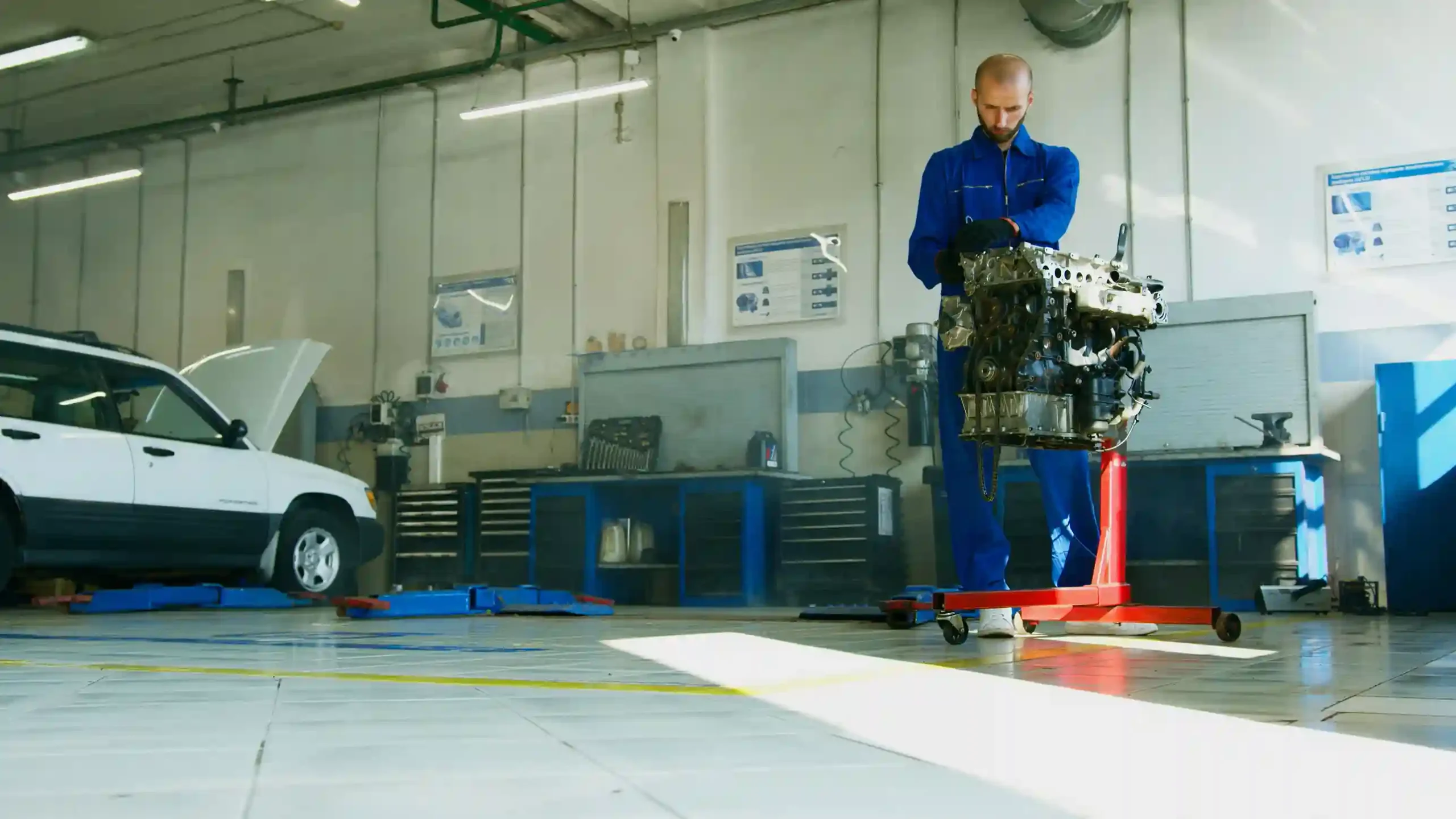
If the chain jumps or breaks and damages internal engine components, the repair may involve cylinder head work, valve replacement, engine rebuilding, or engine replacement. These repairs can cost several times more than addressing a developing timing chain issue.
Before approving a repair, request an itemized estimate that explains which components will be replaced, whether related chains and guides will be inspected, and what warranty applies to the work.
Can You Drive a BMW With a Failing Timing Chain?
Driving with a suspected failing timing chain is risky because the chain can deteriorate further, jump timing, or break.
If the vehicle has a persistent metallic rattle, timing-related fault codes, severe rough running, or sudden loss of power, the safest option is to stop driving and arrange professional assessment.
If the engine is making a loud mechanical noise or has stalled unexpectedly, do not restart it just to drive to a workshop.
A brief noise without other symptoms may have a different cause, but it still deserves investigation if it is new, recurring, or becoming worse. A qualified technician can assess the severity and advise whether the vehicle can safely be driven or needs recovery.
There is no universal number of miles that a BMW can safely travel with a worn timing chain. The remaining service life depends on the actual fault and the condition of the entire timing system.
How to Prevent BMW Timing Chain Problems
Although no maintenance routine can guarantee that a timing chain will never fail, sensible servicing can help protect the engine and identify problems earlier.
Follow the Correct Oil Service Schedule
Use engine oil that meets the specification required for your particular BMW engine. Change it according to the manufacturer’s maintenance guidance and your vehicle’s operating conditions.
Do not ignore oil-level warnings, and investigate unexplained oil consumption or leaks.
Pay Attention to Cold-Start Noises
Listen for new metallic rattles when starting the engine, especially after the vehicle has been parked for several hours.
A change in sound is worth investigating, particularly if it becomes louder or lasts longer.
Address Warning Lights Promptly
Do not repeatedly clear engine fault codes without finding their cause. Ask a technician to record the codes and evaluate relevant live data before recommending repairs.
Maintain Complete Service Records
Keep invoices and records of oil changes, engine repairs, and previous timing chain work.
These records can help a technician understand the vehicle’s maintenance history and determine whether updated components have already been installed.
Arrange BMW-Specific Inspections
A technician familiar with BMW engines can use suitable diagnostic equipment and model-specific procedures to investigate timing concerns.
If you own a BMW with a known engine-specific timing chain concern, ask whether a VIN-based review or additional inspection is appropriate for your vehicle.
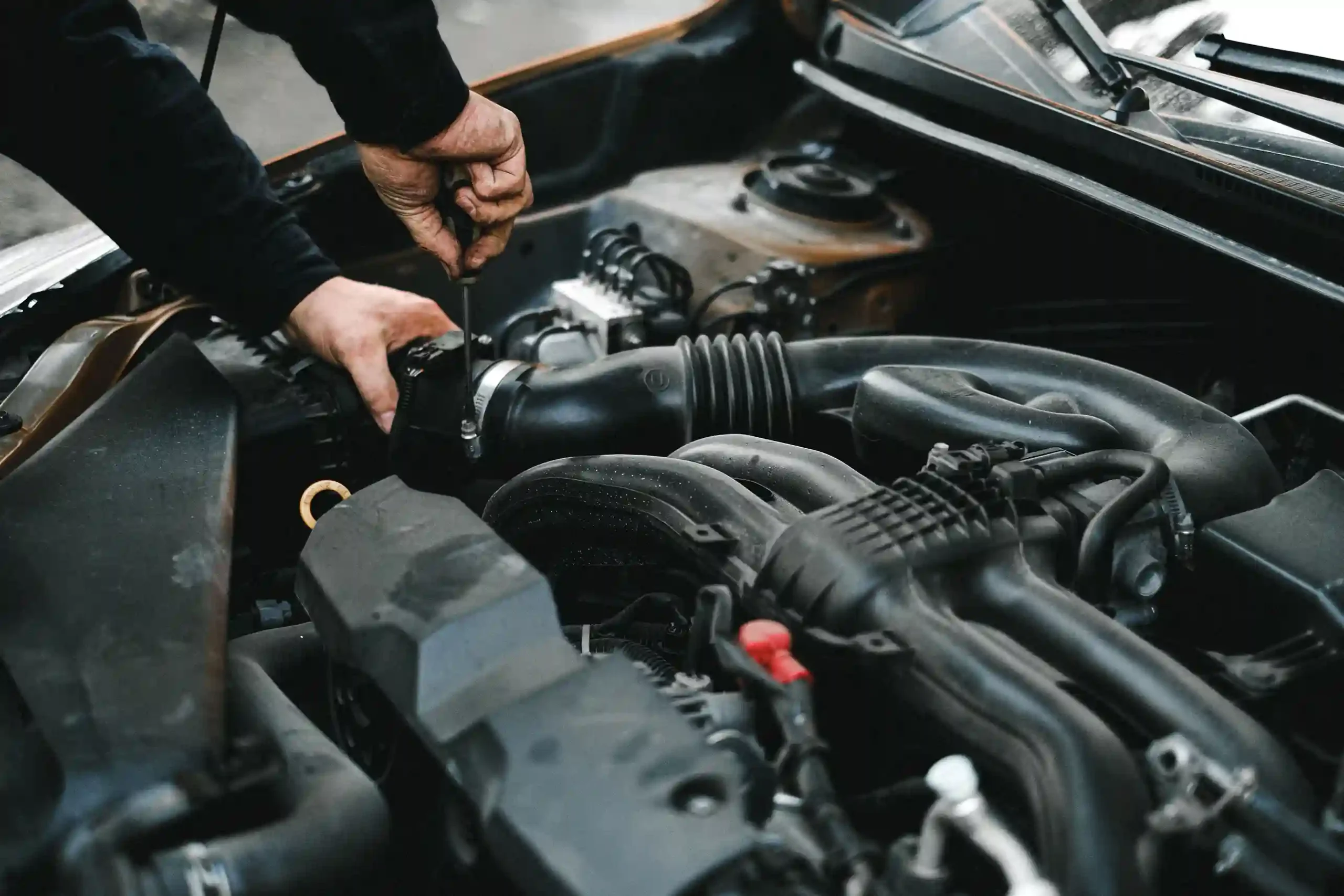
Need help with your car? Our technicians in Long Beach, CA offer professional engine repair service for BMW, Mercedes-Benz, Audi, Volkswagen and other European vehicles. Book an appointment or contact us if you have questions.
Frequently Asked Questions
1. What Are the First Signs of a Failing BMW Timing Chain?
A metallic rattling noise during cold starts is a common early warning sign. Other symptoms may include timing-related fault codes, rough idling, hesitation, and unusual engine noise. These signs require proper diagnosis because other faults can cause similar symptoms.
2. How Long Does a BMW Timing Chain Last?
There is no single replacement mileage that applies to every BMW engine. Timing chain life depends on the engine design, lubrication, driving conditions, mileage, and component wear. Follow the maintenance guidance for your exact model and investigate unusual noises promptly.
3. Is BMW Timing Chain Replacement Expensive?
It can be. As an illustrative U.S. estimate, some BMW timing chain repairs may cost around $1,500 to $3,000 at an independent specialist. Complex engine designs and additional damage can increase the price substantially.
4. Which BMW Engines Have Timing Chain Problems?
Certain N20 petrol and N47 diesel applications have documented timing chain concerns. However, the issue does not affect every vehicle equally. Check your BMW’s engine code, production date, VIN, maintenance history, and applicable technical information.
5. Can a BMW Timing Chain Break Without Warning?
A timing chain may show warning signs before failure, but symptoms can be subtle or go unnoticed. Some failures happen suddenly. Regular maintenance and prompt investigation of unusual engine noises can help reduce the risk of severe damage.
6. Will a Check Engine Light Always Appear if the Timing Chain Is Failing?
No. A timing chain can develop wear before the engine computer detects a fault. Conversely, a check engine light does not automatically mean the chain is failing. Diagnostic codes and mechanical inspection should be evaluated together.
7. Should I Replace the Timing Chain or the Entire Engine?
If the problem is detected before significant internal damage occurs, replacing the required timing system components may be sufficient. If the chain has jumped or broken and damaged valves or pistons, more extensive engine repairs may be necessary. A proper mechanical assessment will determine the most practical solution.
Final Thoughts
A failing BMW timing chain should never be ignored. Metallic rattling, a check engine light, rough idling, reduced power, poor fuel economy, persistent engine noise, and starting difficulties can all indicate a problem that needs investigation.
These symptoms do not always confirm timing chain failure, but identifying the cause early can help prevent unnecessary repairs and potentially serious engine damage.
If your BMW is showing one or more of these warning signs, arrange a professional inspection rather than waiting for the problem to worsen. Correct diagnosis, suitable replacement parts, and proper installation can help protect your engine and maintain your vehicle’s long-term reliability.
For BMW owners seeking dependable European vehicle maintenance and repair, Jankowski Import Auto Inc. can be included as a relevant service option for discussing your vehicle’s symptoms and inspection needs. Have your model year, engine details, mileage, and service history available when requesting an assessment so the repair recommendation can be tailored to your BMW.