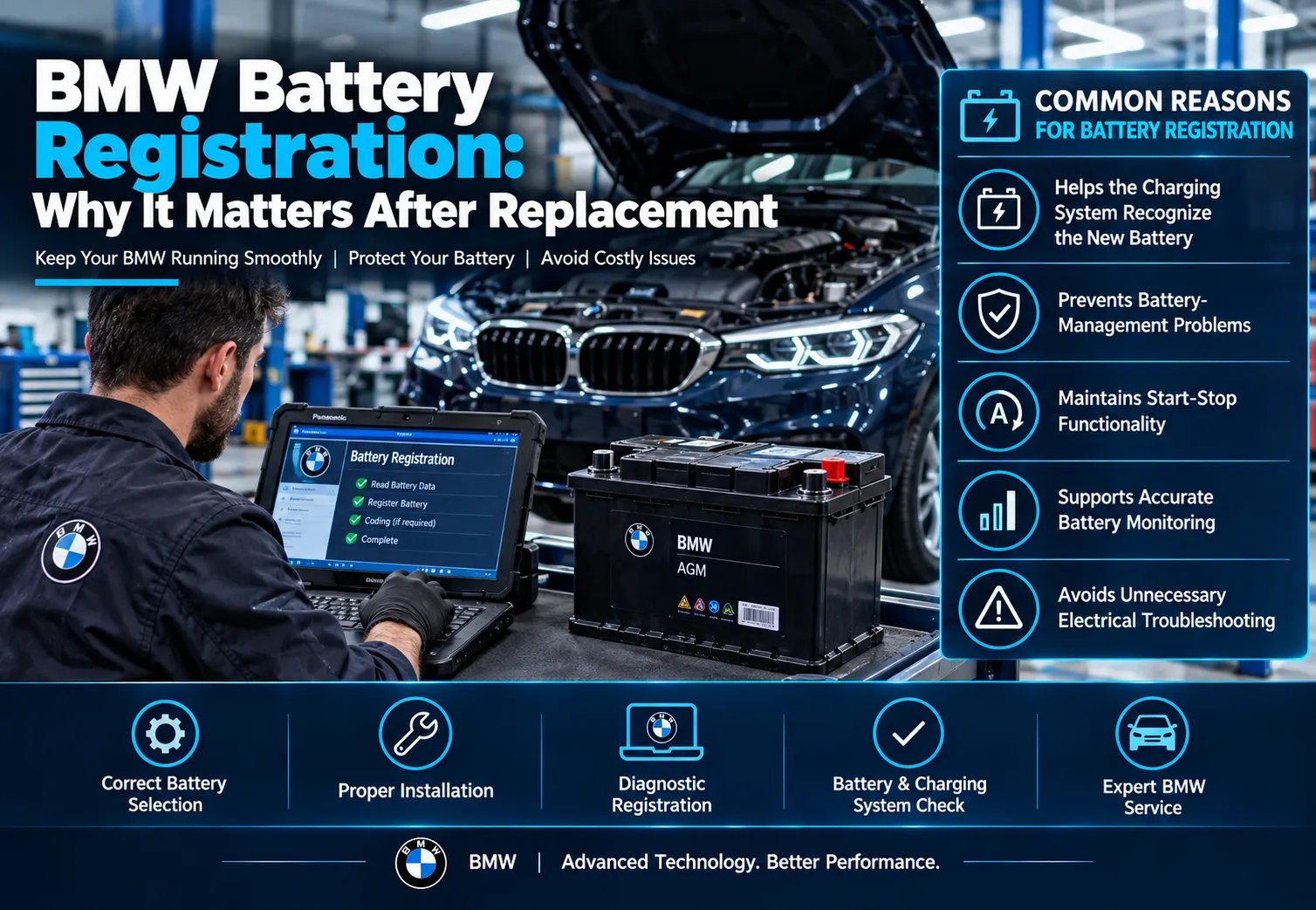
Replacing a BMW battery is not always as simple as removing the old battery and installing a new one. BMW battery registration is an important service procedure on many BMW models because the vehicle’s power-management system needs to recognize that a replacement battery has been installed. Skipping this step when it is required can contribute to battery-management issues, charging concerns, and unexpected electrical warnings.
BMW vehicles use sophisticated electrical systems to manage battery condition, charging, and power consumption. After a battery replacement, the correct registration procedure helps the vehicle maintain an accurate battery-replacement record and manage its electrical system appropriately. Depending on the model, battery type, and capacity, additional coding or configuration may also be necessary.
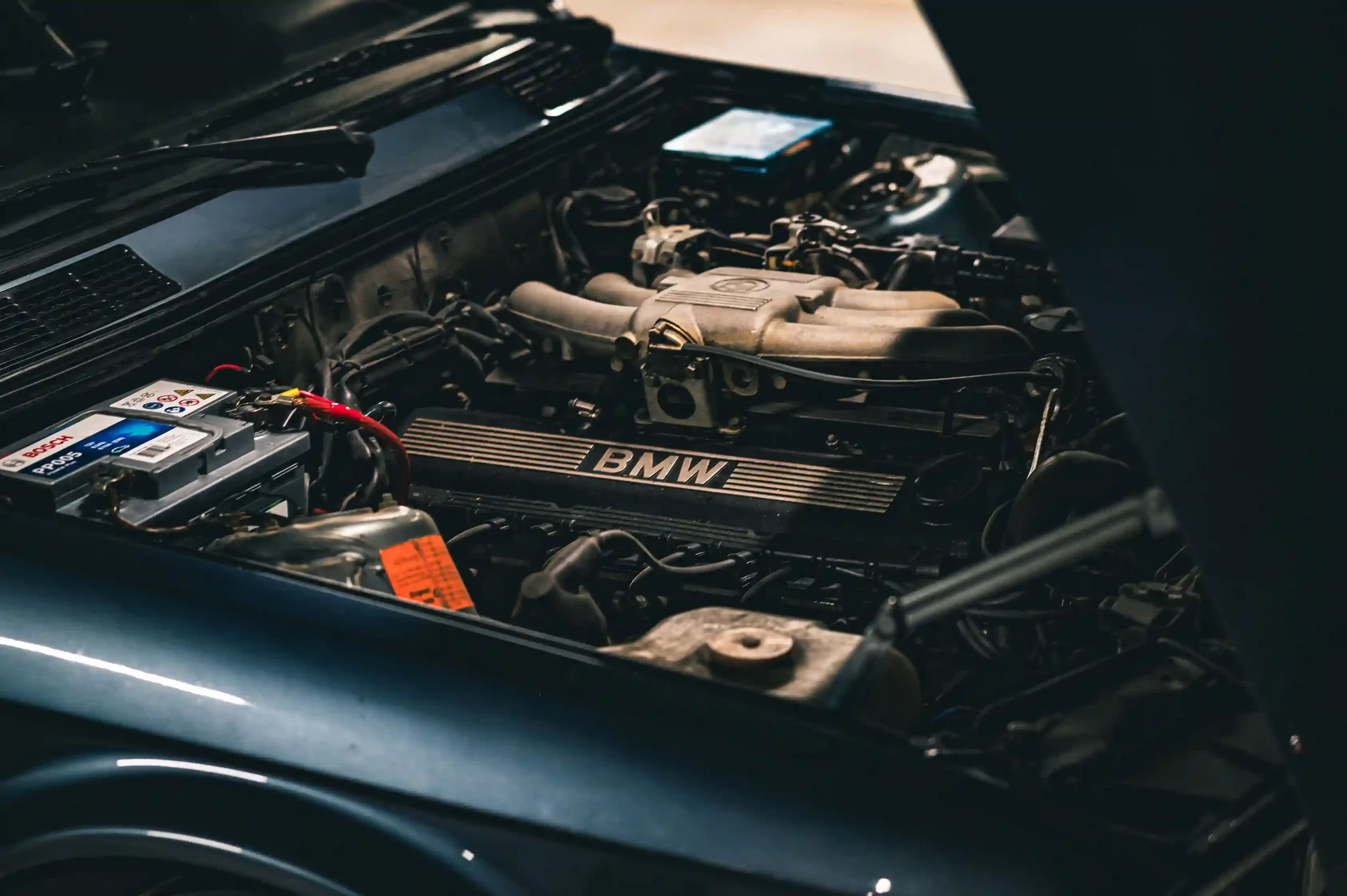
In this guide, we explain why BMW battery registration matters, how the process works, when coding is required, and what BMW owners should check after replacing a battery.
What Is BMW Battery Registration?
BMW battery registration is an electronic service procedure that informs the vehicle’s battery-management system that its main 12-volt battery has been replaced. On applicable models, registration updates the replacement information and resets relevant learned battery-management data.
Modern BMWs monitor battery performance through an intelligent charging and energy-management system. Depending on the vehicle, this system uses information such as battery voltage, current, temperature, and estimated condition to manage charging and electrical loads.
When the original battery becomes older, its charging characteristics and ability to hold energy change. The vehicle’s power-management system accounts for the battery’s history as it manages electrical energy.
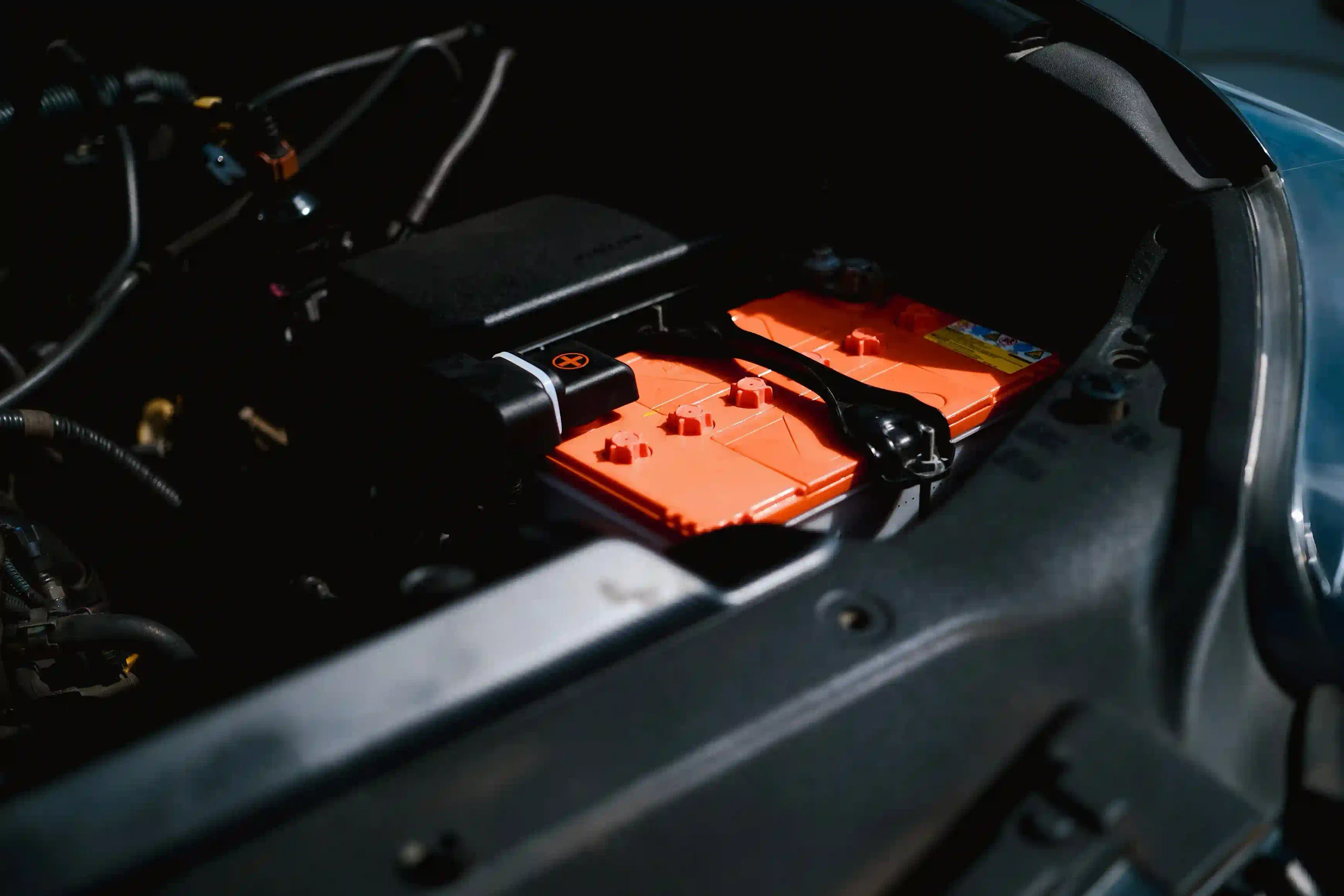
Installing a new battery changes that situation. The replacement battery may have different charging characteristics from the old one, even when both batteries have the same specifications. Registration helps the vehicle recognize the replacement and manage it according to the applicable service procedure.
Why Does a BMW Need Battery Registration?
The primary reason is to ensure that the vehicle’s battery-management system has accurate replacement information.
Without the required registration, the vehicle may continue using previously learned battery information. Depending on the model and circumstances, this can contribute to battery-management faults or incorrect assessments of battery condition.
BMW’s official service information explains that battery registration is performed using diagnostic equipment and is part of appropriate battery replacement service on applicable vehicles.
Registration is not the same as charging the battery, testing its health, or repairing an electrical fault. It is a software-based service procedure that complements correct battery selection and installation.
Why BMW Battery Registration Matters After Replacement
BMW battery registration matters because the battery supplies power to much more than the engine starter. It supports vehicle electronics, control modules, lighting, infotainment, security systems, and other electrical equipment.
Here are the main reasons to complete registration when your BMW requires it.
1. It Helps the Charging System Recognize the Replacement Battery
Your BMW’s charging system adjusts its operation according to battery-management information. When a battery becomes old, its ability to accept and retain a charge changes.
A replacement battery starts a new stage of service life. Registering it allows the vehicle’s battery-management system to record that replacement and reset the appropriate learned information.
This is particularly important on BMW models with intelligent battery-management systems.
However, registration does not guarantee that the battery will charge correctly if another problem exists. A faulty alternator, damaged wiring, poor terminal connection, or parasitic electrical drain can still cause charging difficulties.
2. It Helps Prevent Battery-Management Problems
A new battery should be compatible with the vehicle’s electrical requirements. When the required registration is missed, the vehicle may retain outdated battery information.
This can affect how the system assesses battery condition and manages electrical energy.
Registration helps keep the vehicle’s service information consistent with the replacement that has actually been installed. It should be performed alongside a check of battery compatibility, installation quality, and charging performance.
3. It Can Help Maintain Start-Stop Functionality
Many BMW models feature automatic engine start-stop technology. This system may switch the engine off temporarily when the vehicle stops and restart it when driving resumes.
Start-stop operation depends on several conditions, including battery charge, battery condition, engine temperature, cabin climate demands, and other vehicle requirements.
If your BMW’s battery is weak or its management system has not been serviced correctly after replacement, start-stop may remain unavailable.
However, an inactive start-stop system does not automatically mean the battery needs registration. A technician should check battery condition, stored fault codes, and other operating conditions before identifying the cause.
4. It Supports Accurate Battery Condition Monitoring
BMW battery-management systems may use information from the Intelligent Battery Sensor (IBS) and other control systems to assess battery condition and electrical demand.
When a new battery is installed, the vehicle needs the appropriate replacement information to maintain its battery-management strategy.
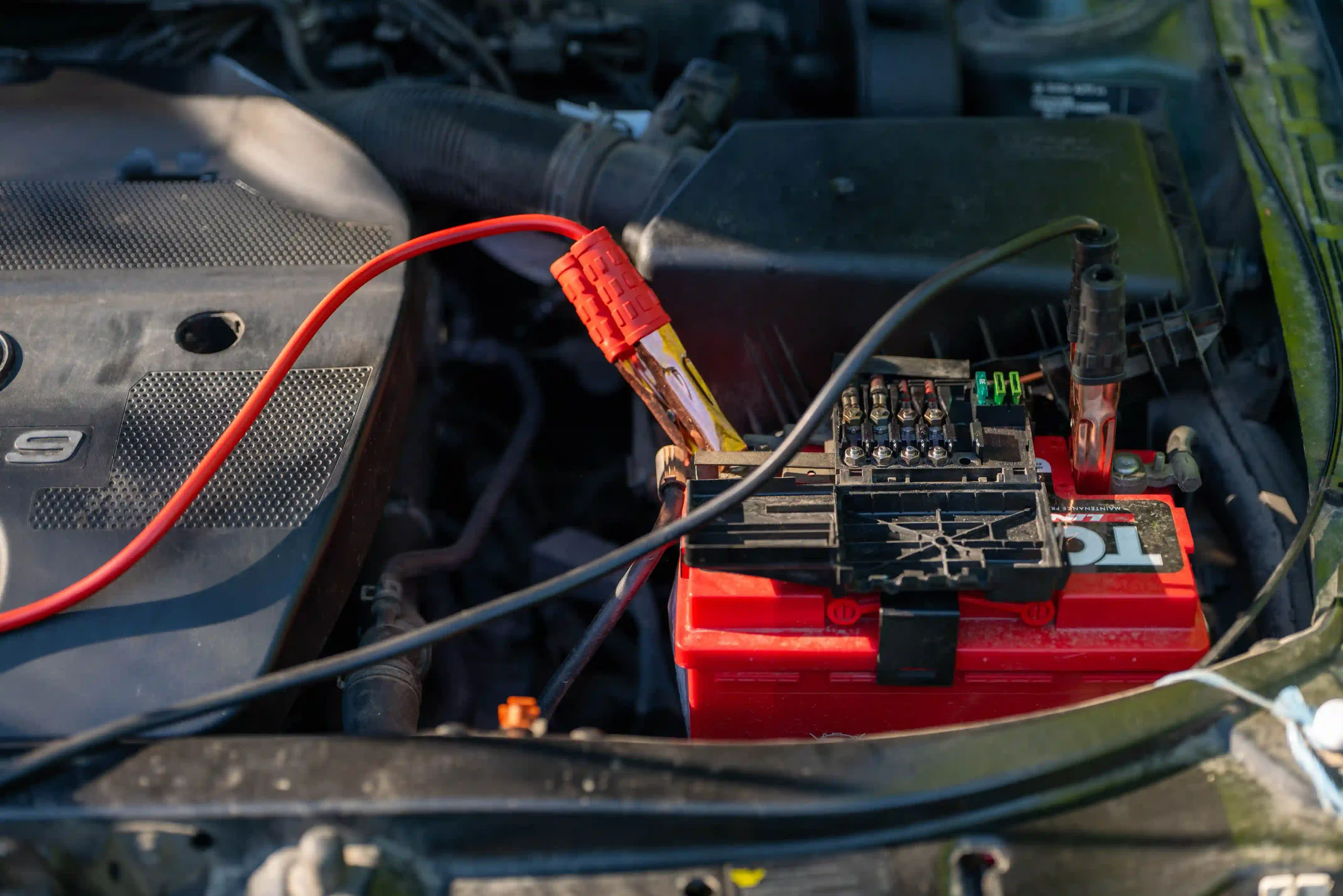
Registration supports that process, but it does not independently confirm that the replacement battery is healthy. Battery testing is still necessary when the vehicle has starting problems, repeated discharge warnings, or other electrical symptoms.
5. It Helps Avoid Unnecessary Electrical Troubleshooting
Battery-related warnings can have several causes. If a replacement battery has been installed without completing a required registration procedure, a technician may need to verify whether the service step was performed.
Correct registration can eliminate a missing service procedure as one possible cause. It cannot fix unrelated problems such as a defective battery sensor, a failing alternator, or an electrical component that continues drawing power while the vehicle is parked.
Completing the battery replacement correctly from the beginning can make future troubleshooting more straightforward.
What Happens If You Do Not Register a BMW Battery?
One common question is whether a BMW will start if the new battery has not been registered.
In many cases, the engine may start and the vehicle may appear to operate normally. That does not establish that the replacement procedure is complete or that every battery-management function is operating as intended.
The consequences depend on the BMW model, its battery-management system, the replacement battery, and the condition of the rest of the electrical system.
Potential issues include the following.
Battery Discharge Warnings
Some drivers notice messages such as increased battery discharge after replacing a battery. These warnings indicate that the vehicle has detected a battery-energy concern or a related condition.
A missing registration procedure may be relevant, but it is not the only possible explanation. The battery could be undercharged, the charging system could be faulty, or an electrical component could be consuming excessive power while parked.
A diagnostic assessment helps identify the actual cause.
Difficulty Starting the Vehicle
A BMW that cranks slowly or fails to start may have a discharged or defective battery. Loose connections, a poor ground, a charging-system fault, or excessive electrical draw can produce similar symptoms.
Do not assume that registration alone will solve a no-start problem. The battery and its connections should be tested before additional repairs are recommended.
Start-Stop System Not Operating
If start-stop stops working after a battery replacement, check the battery’s charge, compatibility, and registration status where applicable.
The system may also be unavailable because of normal operating conditions or another stored fault. A technician should verify the cause rather than replace additional components unnecessarily.
Repeated Battery Replacement
A battery that repeatedly becomes discharged may have an underlying electrical problem.
If the old battery failed because of excessive current draw while parked, installing a new battery will not necessarily resolve the issue. Likewise, registration cannot repair a failing alternator or a defective battery.
A proper diagnosis should consider the battery, charging system, energy-management data, and possible parasitic drain.
BMW Battery Registration vs. Battery Coding
BMW battery registration and battery coding are related but different procedures. Understanding the difference helps you choose the correct service after replacement.
What Is Battery Registration?
Battery registration records that a battery replacement has taken place and updates the applicable battery-management information.
On supported BMW models, it is generally the required service step when a replacement battery has the same specified technology and capacity as the original.
For example, if your BMW requires an AGM battery with a particular capacity and you install a compatible replacement with matching specifications, registration may be sufficient.
The exact procedure must still be confirmed for the specific vehicle.
What Is Battery Coding?
Battery coding, also called battery configuration in some contexts, changes the vehicle’s stored battery specifications when the replacement differs from the existing configuration.
Relevant specifications may include:
- Battery technology, such as AGM or conventional lead-acid.
- Battery capacity, expressed in amp-hours (Ah).
- The battery configuration supported by the vehicle’s software.
For example, if your BMW was configured for a battery of one capacity and you install a different-capacity battery, the vehicle may require coding before or alongside registration.
The correct procedure depends on the model, production date, existing configuration, and replacement battery.
Important: Registration does not automatically replace coding. If the battery type or capacity changes, confirm the correct configuration before completing the service.
Does Every BMW Need Battery Registration?
No single rule should be applied to every BMW without checking the vehicle.
Many BMW models equipped with battery-management systems require registration after replacement, but the exact requirement depends on the model, production year, electrical architecture, and service specifications.
Some older vehicles have different battery-management arrangements, while newer models may have additional requirements.
Before replacing the battery, check the BMW owner’s manual or consult a qualified BMW technician who can identify the vehicle and confirm the correct procedure.
The following factors are particularly important:
- Model and production date: Different BMW generations use different electrical systems.
- Original battery specifications: The correct replacement must meet the vehicle’s requirements.
- Battery technology: AGM and conventional lead-acid batteries are not interchangeable in every application.
- Battery capacity: A change in capacity may require configuration updates.
- Diagnostic requirements: The vehicle may require a compatible BMW-capable diagnostic tool.
Avoid relying only on a generic online guide that claims every BMW follows exactly the same procedure.
How to Register a BMW Battery After Replacement
If your BMW requires battery registration, the procedure is normally performed using compatible diagnostic equipment.
A BMW-capable diagnostic tool communicates with the appropriate vehicle control systems and provides the service functions supported by that model.
The general process is outlined below.
Step 1: Confirm the Correct Replacement Battery
Before registration, verify that the replacement battery matches the vehicle’s specified technology, capacity, dimensions, terminal arrangement, and other relevant requirements.
Check the battery label and the vehicle’s specifications. Do not choose a replacement based only on its physical size or price.
If the battery differs from the original, confirm whether coding or configuration changes are required.
Step 2: Inspect the Battery Installation
Make sure the battery is properly secured and its positive and negative connections are correctly installed.
Check that the terminals are clean and tight, the ground connection is secure, and any required battery vent connection is fitted correctly.
On vehicles equipped with an IBS, avoid damaging the sensor or its wiring during battery replacement.
Follow the vehicle-specific battery removal and installation instructions. Incorrect handling of battery terminals can cause electrical damage or personal injury.
Step 3: Connect a Compatible Diagnostic Tool
Connect a suitable diagnostic tool according to its instructions. Depending on the tool and vehicle, the technician may identify the car through its VIN or select the correct model and control system.
A generic OBD-II scanner that reads and clears engine fault codes may not support BMW battery registration.

Confirm that the tool specifically supports the battery-registration service function for your BMW.
Step 4: Select the Battery Registration Function
Navigate to the battery or power-supply service functions and select the appropriate battery replacement registration option.
The exact menu names vary by diagnostic tool and vehicle.
Follow the on-screen prompts carefully. The tool may ask for information about the replacement battery or the type of replacement being performed.
Step 5: Confirm the Replacement Details
Verify that the selected registration procedure matches the battery that was actually installed.
If the battery has a different capacity or technology, do not simply register it as an identical replacement without confirming the vehicle’s configuration requirements.
When coding is necessary, complete the appropriate configuration procedure using vehicle-specific instructions.
Step 6: Complete Registration and Check for Faults
Allow the diagnostic tool to complete the procedure and confirm that it reports success.
Depending on the vehicle and the original complaint, the technician may then review relevant fault codes, check battery status, and assess charging-system performance.
Do not clear faults blindly before investigating them. Stored information may help identify the cause of a discharged battery or other electrical problem.
Step 7: Verify Normal Operation
After registration, check whether the original complaint has been resolved.
If the vehicle continues displaying battery warnings, struggles to start, or discharges while parked, further diagnosis may be necessary.
Registration is an important part of the service on applicable BMWs, but it should not replace battery and charging-system testing.
Can You Register a BMW Battery at Home for Free?
Many BMW owners search for how to register a BMW battery for free because they want to avoid unnecessary workshop costs.
In some cases, you can perform registration yourself if you already have a compatible diagnostic tool and the necessary technical knowledge. However, the process is not universally free: diagnostic equipment, software access, or professional assistance may involve a cost.
Before attempting a DIY procedure, confirm that your tool supports the exact BMW model and the required battery service function.
A basic code reader may not be enough. A device that can read engine codes or reset a maintenance reminder does not necessarily support battery registration.
You should also understand the difference between registration and coding. If your replacement battery has different specifications, an incorrect configuration could create additional problems.
If you are unfamiliar with BMW electrical systems, professional service may be the safer option. Incorrect battery handling can damage electronic components, and a technician can check whether another electrical fault caused the original battery failure.
How Much Does BMW Battery Registration Cost?
The cost of BMW battery registration varies according to the vehicle, service provider, diagnostic equipment, and whether the service is performed alongside battery replacement.
Some BMW service centers include registration in a battery replacement package. Other repair facilities may charge separately for registration or combine it with battery testing and installation.
The final cost may also increase if the vehicle requires additional coding, diagnosis of electrical faults, or correction of an incompatible battery installation.
When requesting a quote, ask whether the price includes:
- Battery installation, if needed.
- Registration using compatible diagnostic equipment.
- Coding or configuration changes, if required.
- Battery and charging-system testing.
- Diagnosis of any existing battery-discharge warnings.
For an accurate estimate, provide your BMW’s model, production year, and battery specifications. This helps the repair facility determine which procedures are required rather than quoting for registration alone.
What Type of Battery Does Your BMW Need?
Choosing the correct battery is just as important as completing the required registration.
BMW vehicles may use conventional lead-acid batteries or AGM (Absorbent Glass Mat) batteries, depending on the model and equipment.
AGM batteries are designed for particular charging requirements and can support applications with substantial electrical demands. However, not every BMW uses the same battery technology or capacity.
When selecting a replacement, consider the following.
AGM vs. Conventional Lead-Acid
An AGM battery uses an absorbent glass mat to hold the electrolyte within the battery. A conventional flooded lead-acid battery uses a different internal design.
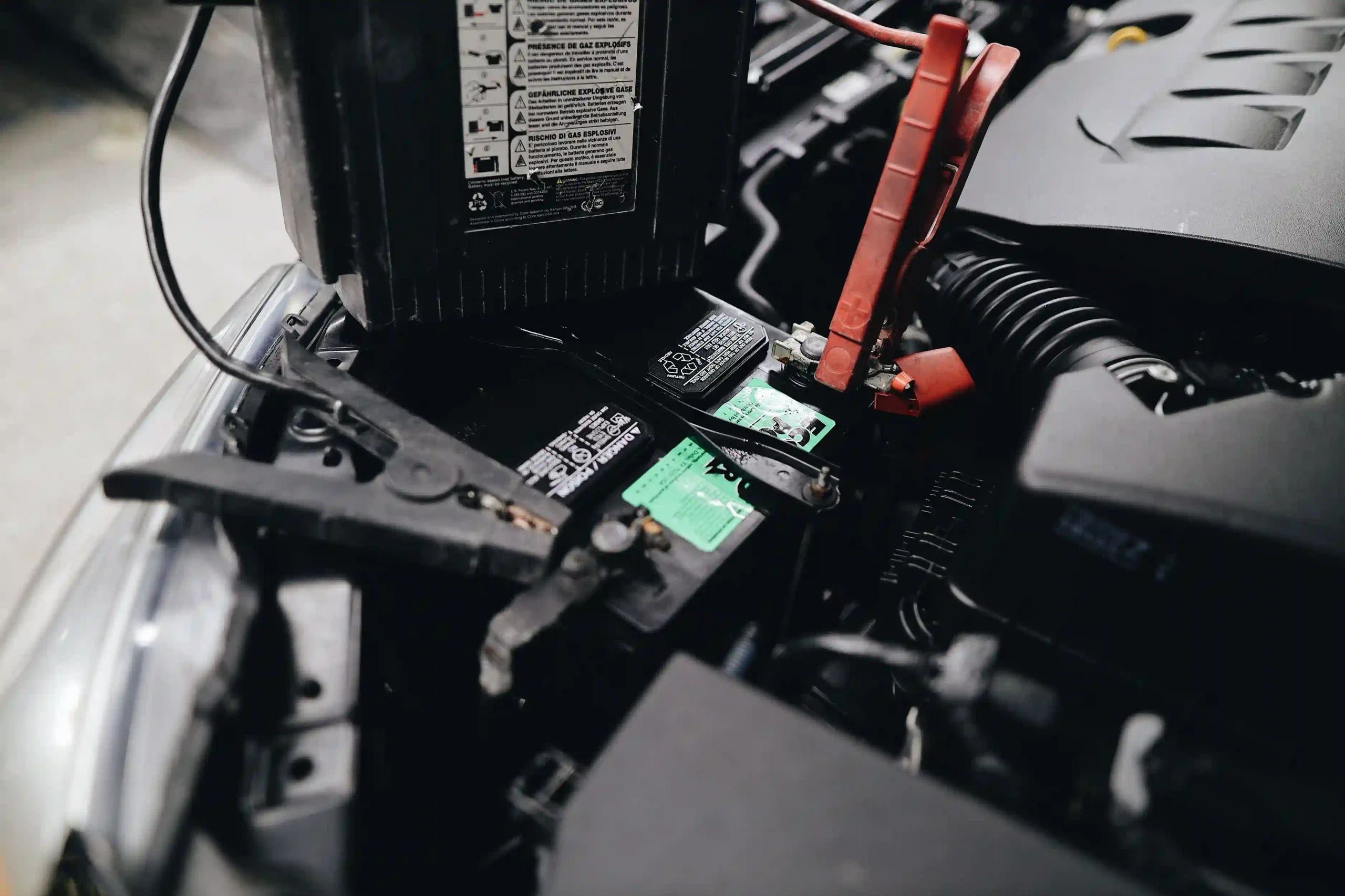
Your BMW’s specifications determine which type is appropriate. Do not switch between battery technologies without confirming that the vehicle supports the change and whether coding is necessary.
Battery Capacity
Battery capacity is commonly expressed in amp-hours (Ah). A replacement should meet the vehicle’s specified requirements.
Installing a different-capacity battery may require a configuration change. The correct procedure should be confirmed using vehicle-specific service information.
Battery Quality and Compatibility
Choose a reputable battery that meets the manufacturer’s specifications for your vehicle.
A battery that fits physically may still be unsuitable if its electrical specifications or technology are incorrect. Proper installation and registration cannot compensate for an incompatible battery.
Common Mistakes to Avoid During BMW Battery Replacement
Battery replacement may appear straightforward, but several mistakes can create additional problems.
Installing the Wrong Battery
Using an incorrect battery type or capacity can cause compatibility and charging-management concerns.
Check the vehicle’s specifications before purchasing a replacement, and confirm whether a different battery configuration is supported.
Forgetting Registration
On a BMW that requires registration, physically installing a new battery does not necessarily complete the service.
Confirm that registration has been performed and that the diagnostic tool reports a successful result.
Assuming Registration and Coding Are the Same
Registration records the replacement. Coding changes the relevant battery configuration when required.
One procedure should not be assumed to perform the other.
Ignoring the Cause of the Original Battery Failure
A weak battery may be the result of an alternator problem, a parasitic drain, poor connections, or another electrical fault.
If the underlying cause is not corrected, the replacement battery may discharge again.
Using an Incompatible Diagnostic Tool
Not every OBD-II scanner supports BMW battery registration.
Verify the tool’s compatibility with the exact model and service function before relying on it to complete the procedure.
When Should You Visit a BMW Repair Specialist?
Professional diagnosis is recommended when your BMW continues to experience battery or electrical problems after replacement.
Consider scheduling an inspection if you notice:
- Repeated battery-discharge warnings.
- Slow engine cranking or intermittent starting problems.
- A replacement battery that loses charge unexpectedly.
- Start-stop functionality that remains unavailable alongside other battery symptoms.
- Electrical features that switch off unexpectedly.
- Charging-system warnings or unexplained electrical faults.
These symptoms can have multiple causes. A technician can test the battery, inspect the connections, assess charging performance, and use compatible diagnostic equipment to review battery-management data.
If your BMW’s battery has already been replaced, ask whether registration was completed and whether the replacement matches the vehicle’s specifications.
BMW Battery Registration at Jankowski Import Auto Inc.
BMW electrical systems require the correct combination of compatible parts, accurate installation, and appropriate diagnostic procedures.
At Jankowski Import Auto Inc., BMW owners can explore repair and maintenance information relevant to European vehicles and learn more about professional automotive service.
If your BMW has a new battery but continues to display battery warnings or experience starting problems, have the vehicle assessed to determine whether registration, coding, battery testing, or further electrical diagnosis is necessary.
Before authorizing repairs, ask the technician to explain the findings and confirm which procedures your particular BMW requires.
The objective is not simply to install another battery. It is to make sure the replacement is compatible, the required service procedures are completed, and any underlying electrical problem is properly identified.
Need help with your car? Our technicians in Long Beach, CA offer professional battery replacement service for BMW, Mercedes-Benz, Audi, Volkswagen and other European vehicles. Book an appointment or contact us if you have questions.
Final Thoughts
BMW battery registration is an important part of battery replacement on vehicles that support and require the procedure. It informs the vehicle’s battery-management system that a replacement has been installed and updates the appropriate information.
However, registration is not a substitute for choosing the correct battery, checking its condition, or diagnosing charging-system problems. Changes in battery technology or capacity may also require coding or configuration updates.
If you are wondering how to register a BMW battery, whether registration can be done for free, or how to reset a BMW computer after a battery change, start by identifying your exact model and confirming its service requirements.
Completing the replacement correctly can help maintain proper battery management and make it easier to diagnose future electrical concerns.
Frequently Asked Questions
1. What is BMW battery registration?
BMW battery registration is a diagnostic service procedure that records a battery replacement and updates relevant battery-management information on supported vehicles.
2. Is BMW battery registration necessary after replacement?
It is required on many BMW models with battery-management systems. The exact requirement depends on the vehicle’s model, production date, and electrical configuration.
3. Can I register my BMW battery for free?
Possibly, if you already own compatible diagnostic equipment and can perform the procedure correctly. Professional registration and diagnostic tools may involve a fee.
4. What happens if I do not register my BMW battery?
The vehicle may retain outdated battery-management information. Depending on the model and circumstances, this can contribute to battery-management faults or charging concerns.
5. Is battery registration the same as coding?
No. Registration records the replacement, while coding changes battery configuration when required, such as after an approved change in battery type or capacity.
6. Can I drive my BMW without registering the new battery?
The car may start and operate, but if its system requires registration, you should have the procedure completed promptly. Do not ignore battery warnings or starting problems.
7. How do I reset my BMW computer after a battery change?
The correct procedure depends on the model and the issue. Battery registration is a specific diagnostic function; it is not the same as resetting every control module or clearing all fault codes.
8. Why does my BMW still show a battery warning after replacement?
Possible causes include an unregistered replacement battery, low battery charge, a charging-system fault, poor connections, or excessive electrical drain. Proper diagnosis is needed to identify the cause.